
Last updated September 22, 2026
Level 1 sweep and inspection to the NFPA 211 annual standard - flue, crown, cap, and flashing checked and photographed
Chimney sweep logs do not sweep chimneys. They loosen some creosote - which then falls where a brush and vacuum still have to collect it.
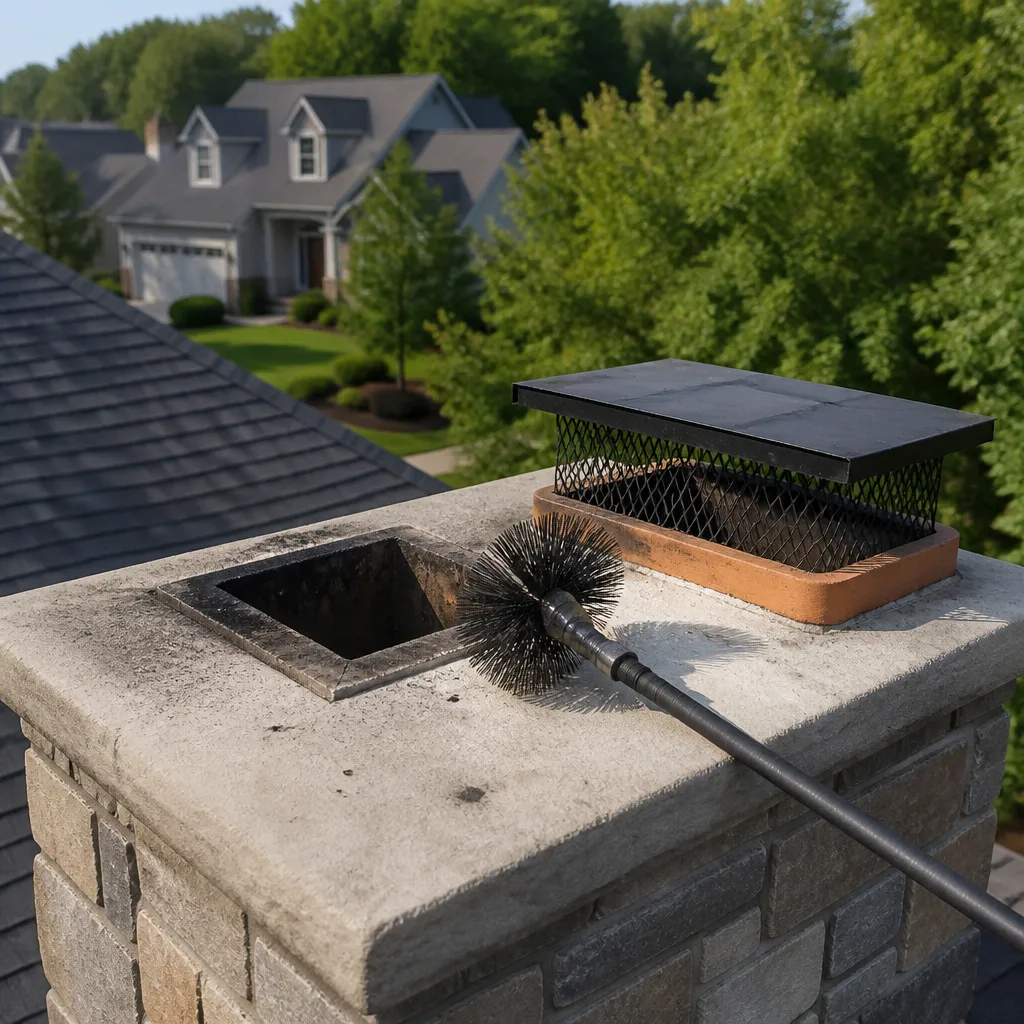
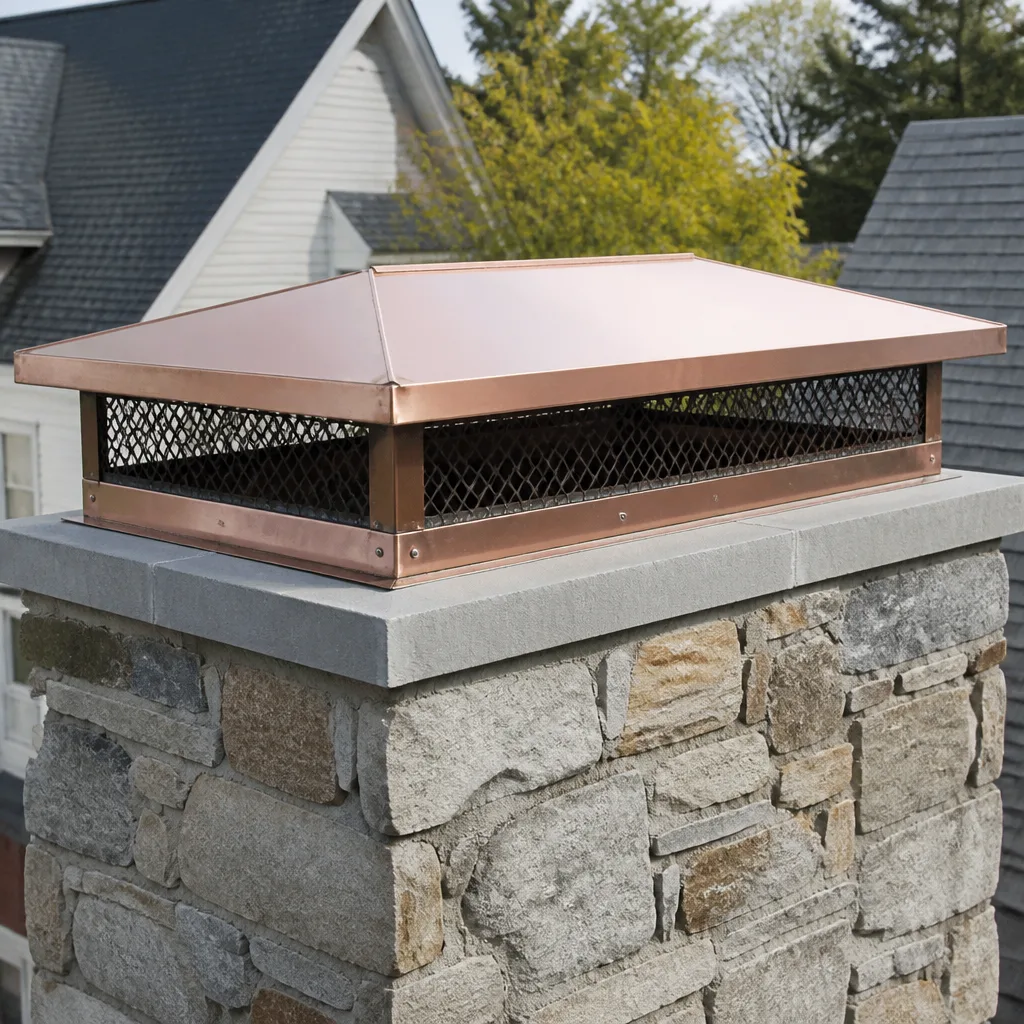
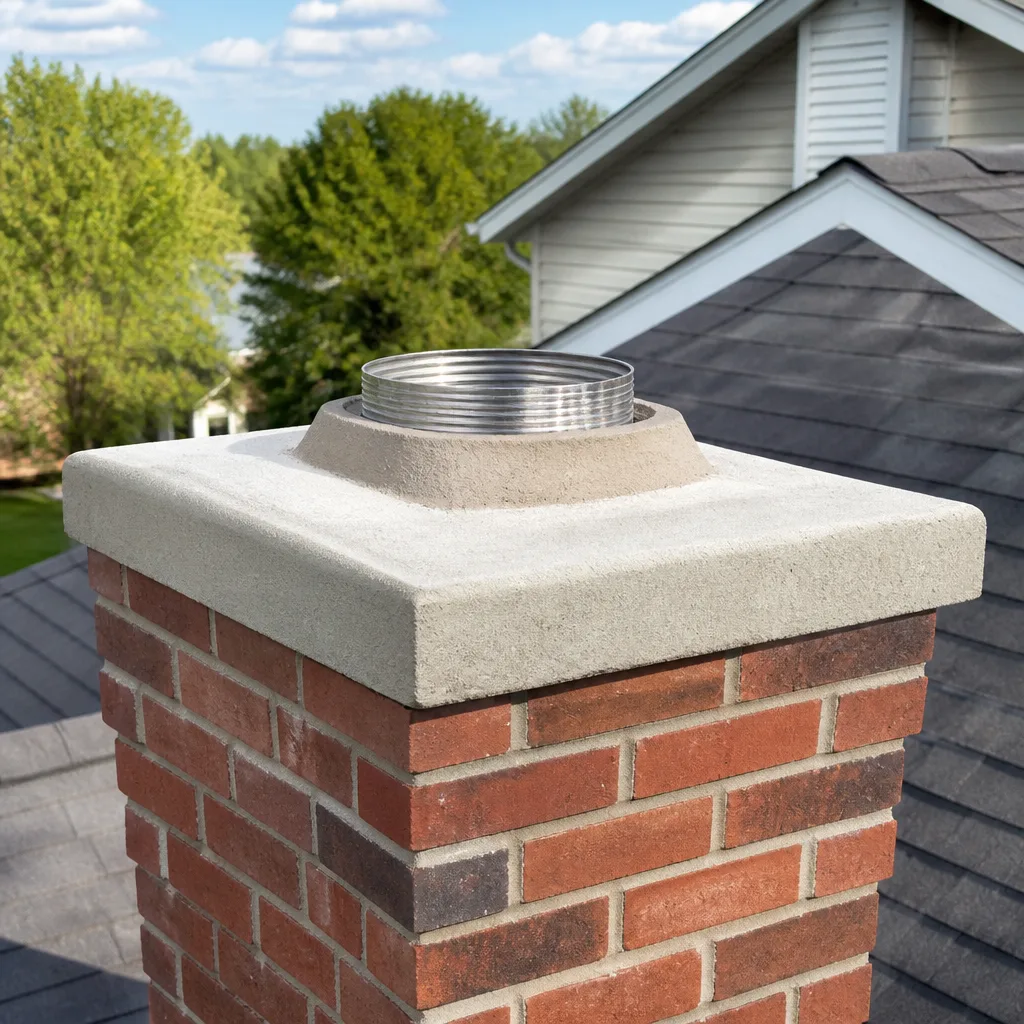
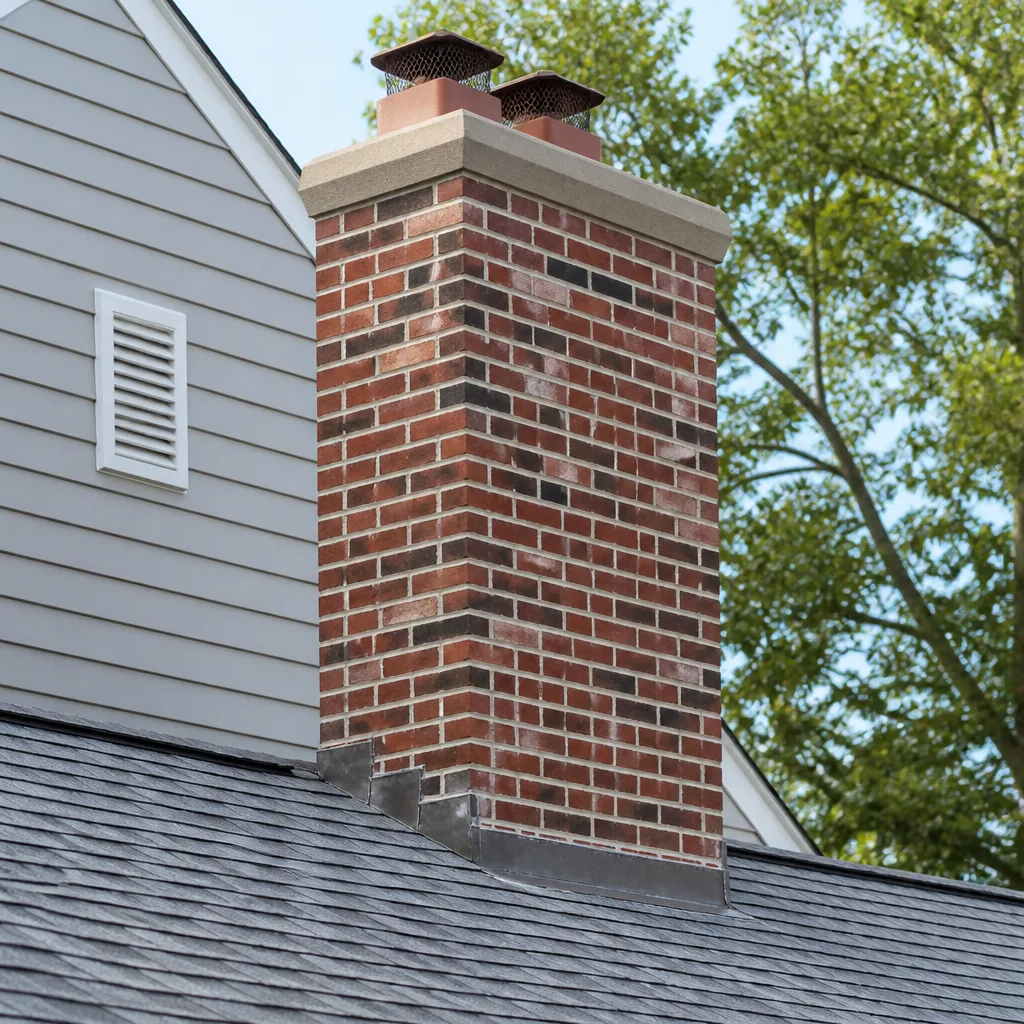
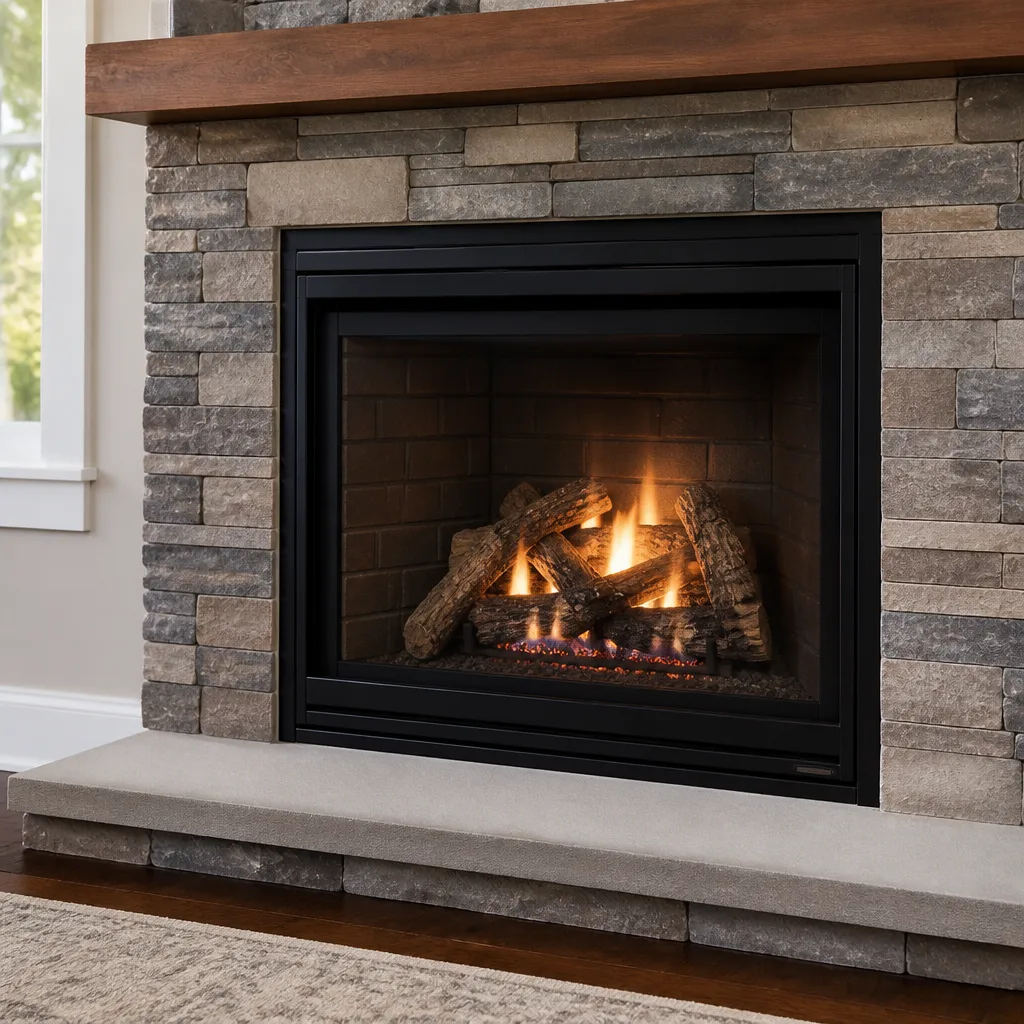
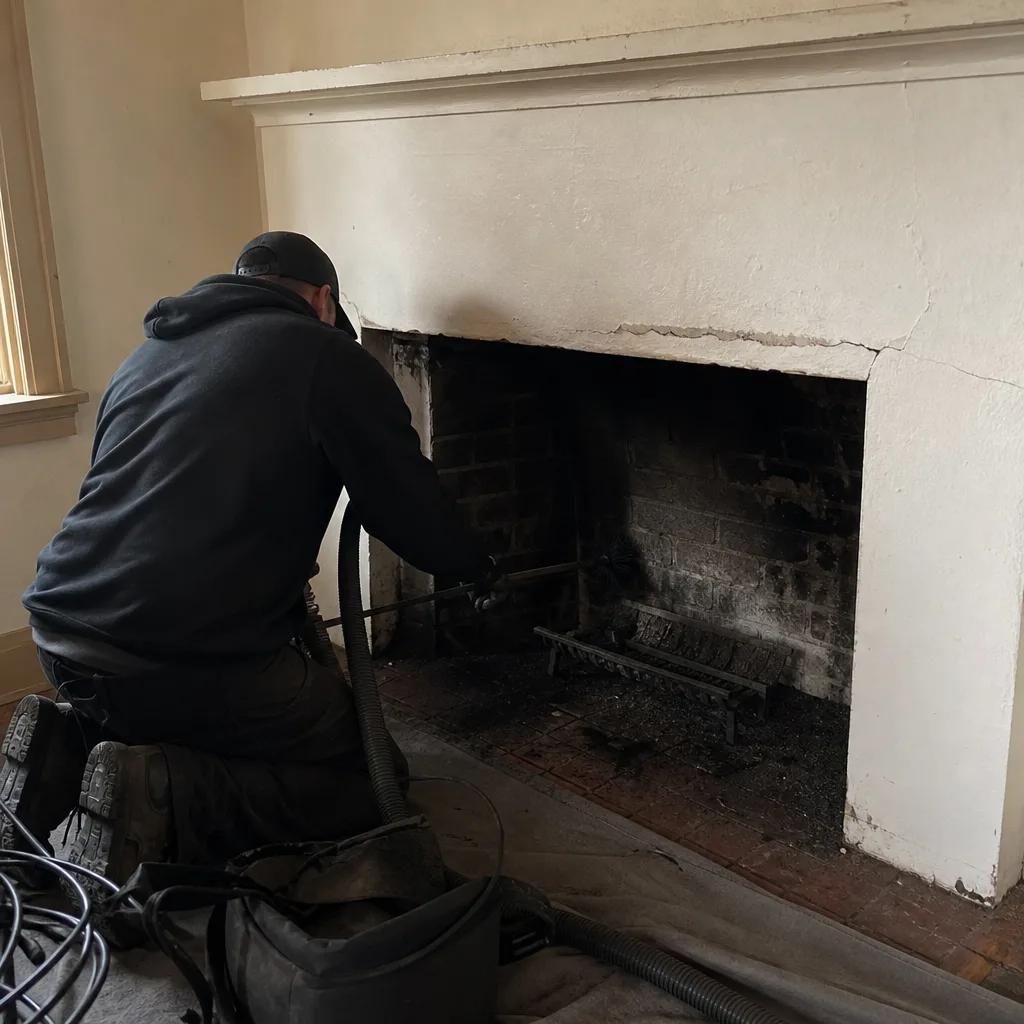 Before
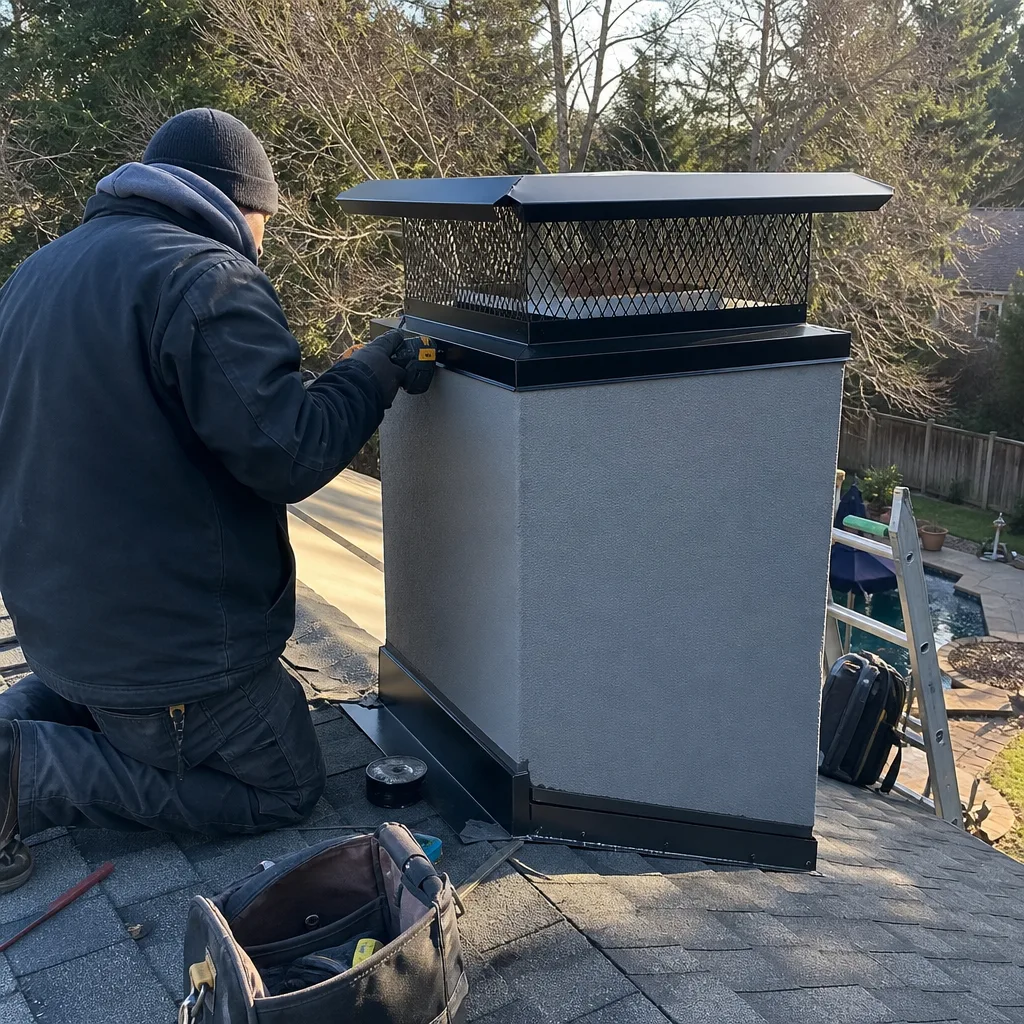 After
After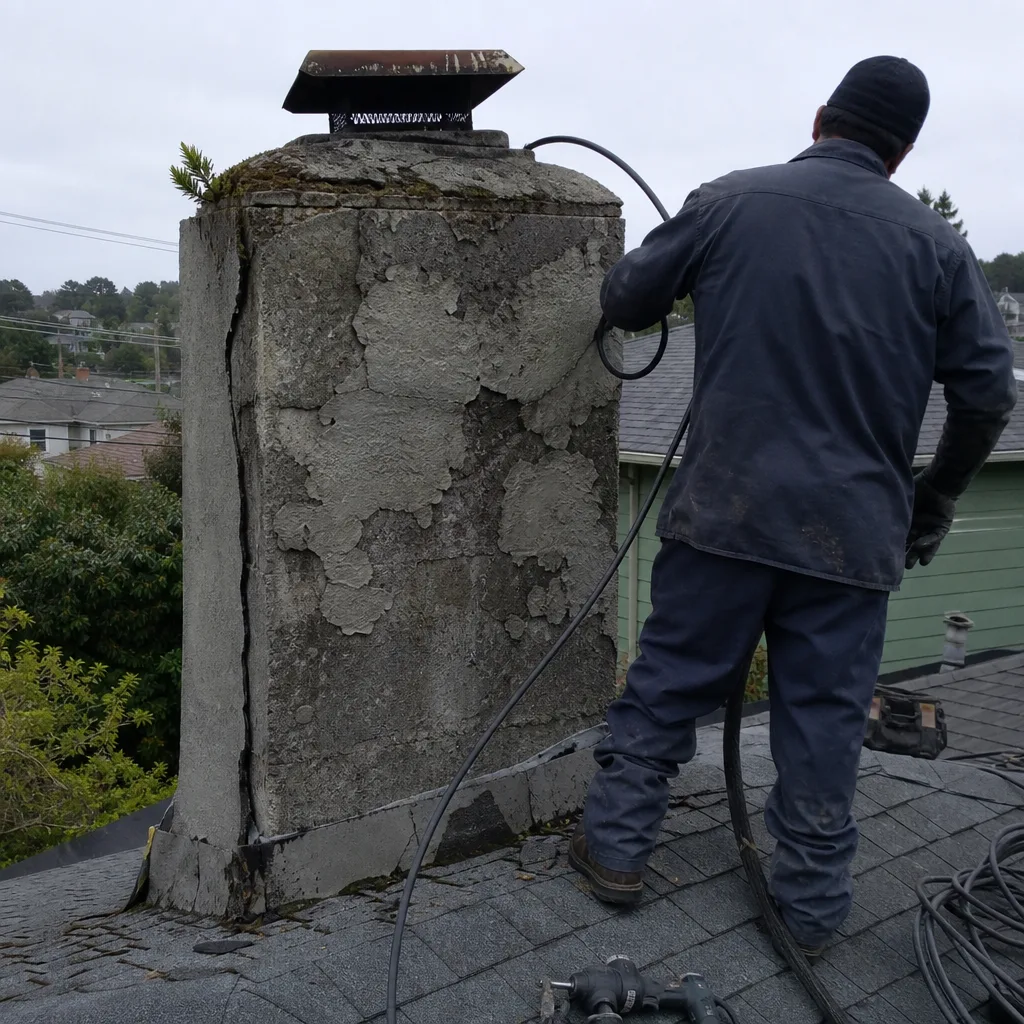 Before
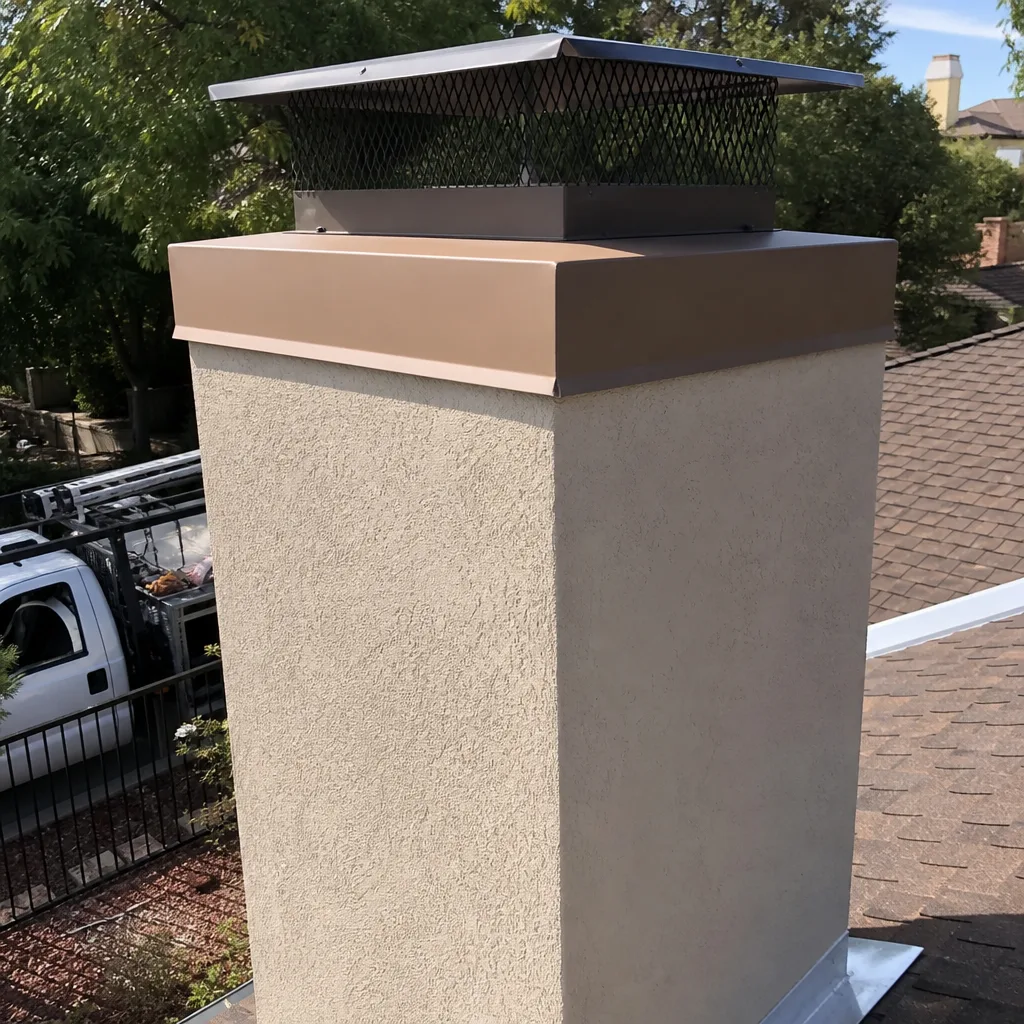 After
After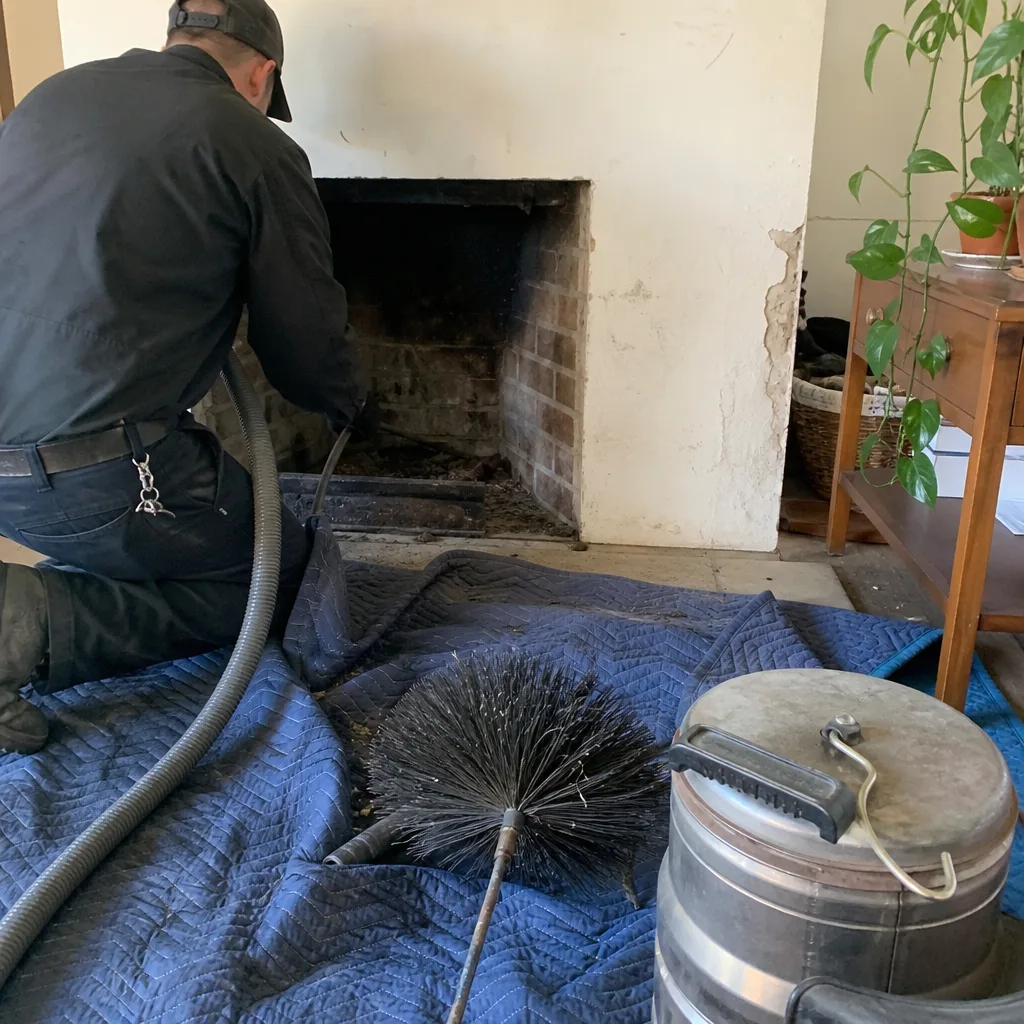 Before
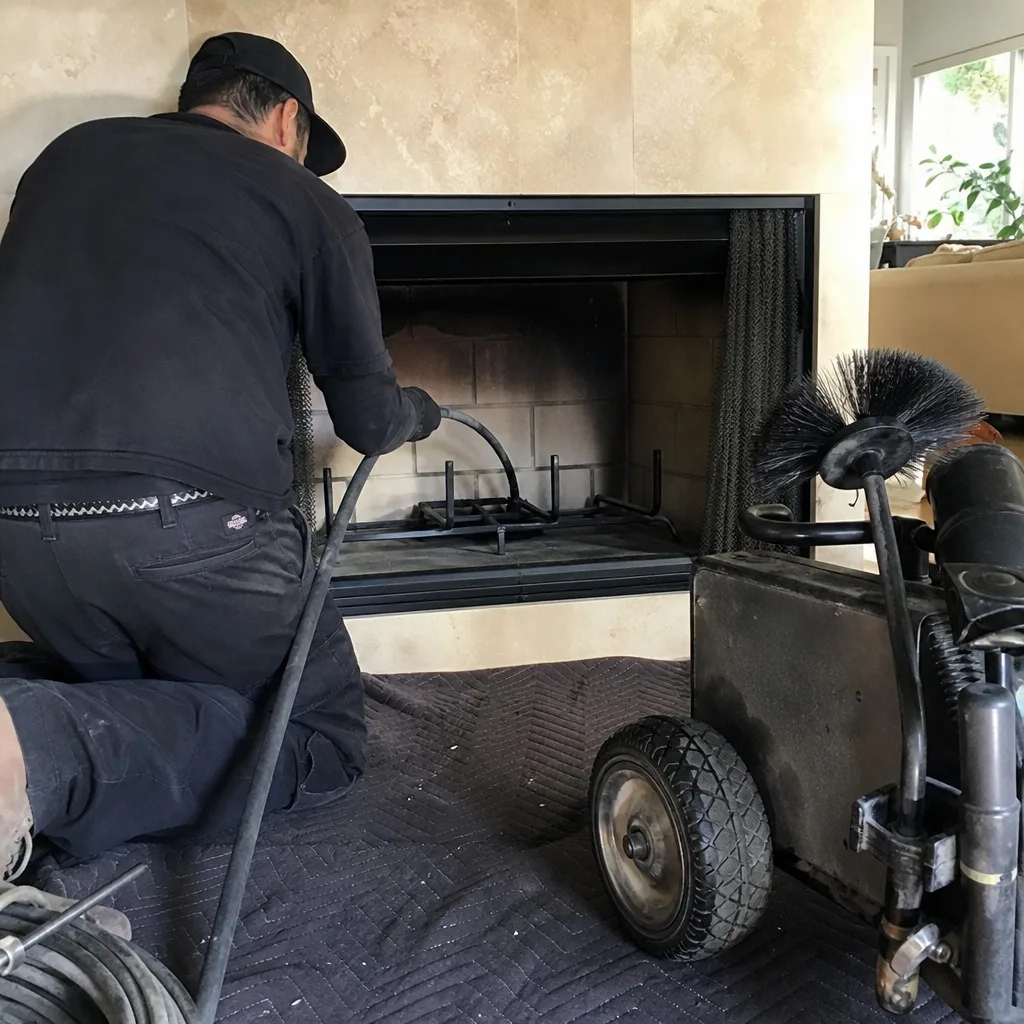 After
AfterThe Complete Guide to Chimney Cleaning in Oakland
California’s insurance carriers denied more than 1,400 fireplace-related claims in 2023 partly because homeowners couldn’t produce a signed service record - not because the work wasn’t done, but because no paper existed to prove it. In Oakland, where Victorian-era flues share walls with modern gas inserts and hillside homes face stricter fire codes than flatland properties, that gap between “cleaned” and “documented” can cost you your coverage. This guide explains what chimney cleaning actually involves, what documentation a legitimate sweep must leave behind, and why the second part matters more than most homeowners realize.
Quick Answer
Chimney cleaning in Oakland costs between $199 and $389 for a standard sweep with NFPA 211 Level 2 camera inspection, and the job isn’t complete until you hold four documents: a dated invoice with technician name, camera scan images of the full flue, written creosote stage classification, and a written scope with price for any recommended repairs. Without these, your insurer may treat a cleaned chimney as an unserviced one.
Table of Contents
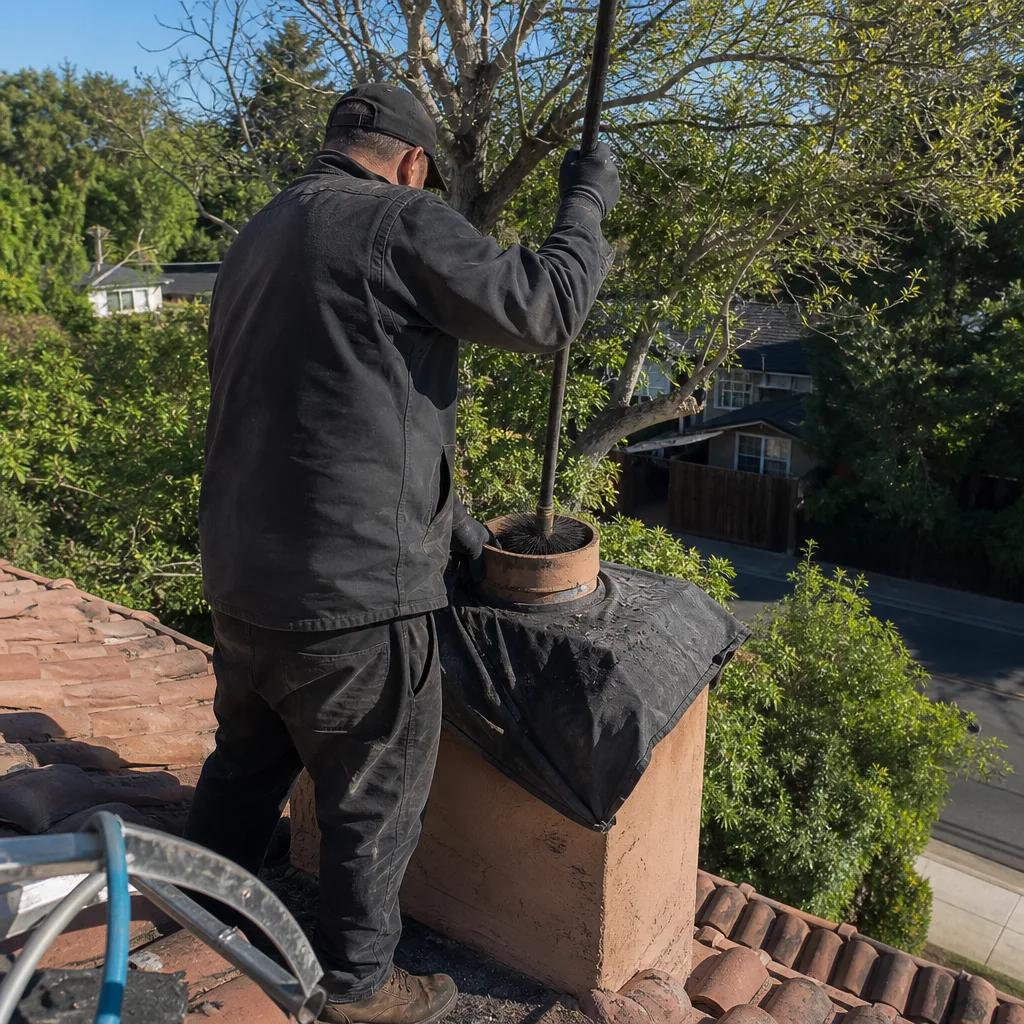
- What a Completed Chimney Cleaning Job Actually Looks Like
- Oakland’s Fuel Mix Reality: Why Oak and Eucalyptus Change Everything
- Why NFPA 211 Level 2 Is the Minimum Standard, Not an Upgrade
- The Difference Between a ‘Chimney Sweep’ and a ‘Chimney Inspection Company’
- How to Read Your Written Report: Creosote Stages and What They Mean
- Oakland Codes, Climate, and Neighborhood-Specific Considerations
- How to Choose a Chimney Cleaning Provider in Oakland
- What Chimney Cleaning Costs in Oakland: A Detailed Breakdown
 Before
 After
AfterWhat a Completed Chimney Cleaning Job Actually Looks Like
Most homeowners think chimney cleaning ends when the soot stops falling. It doesn’t. A completed job in Oakland, or anywhere in California’s fire-prone zones, produces documentation that would hold up in a claims dispute or a home sale negotiation.
Here’s what you should walk away with:
- Dated invoice with technician name and license information. Not a credit card receipt. A proper invoice identifies who performed the work, when, and under what license. In Oakland, where the Hills Fire Prevention District maintains stricter clearance requirements than the flatlands, the technician’s name matters if questions arise later.
- Camera scan images of the full flue length. Every accessible inch, from firebox to crown, captured with a chimney camera. These images show liner condition, joint alignment, and any gaps or deterioration. At Level Two Chimney Oakland, we’ve recorded every flue scan since 2009 - that’s Clause 4 of the Haven Standard, and it became our practice years before insurers started asking for it.
- Written creosote stage classification. Stage 1, Stage 2, or Stage 3, noted by location and thickness. This determines your next-service timeline and whether immediate action is required.
- Written scope with price for any recommended repairs. Delivered before anyone asks you to approve work. Not after the tech is already on your roof. Haven Standard Clause 1 - H.A.V.E.N. “Have it in writing” - requires this on every job we’ve done since 2009.
Without these four items, you have a story about a cleaning. You don’t have proof of one. In our experience across more than 38,000 chimney inspections and cleanings, the homeowners who face problems aren’t the ones who skipped service. They’re the ones who paid for service that left no trace.
Oakland’s Fuel Mix Reality: Why Oak and Eucalyptus Change Everything
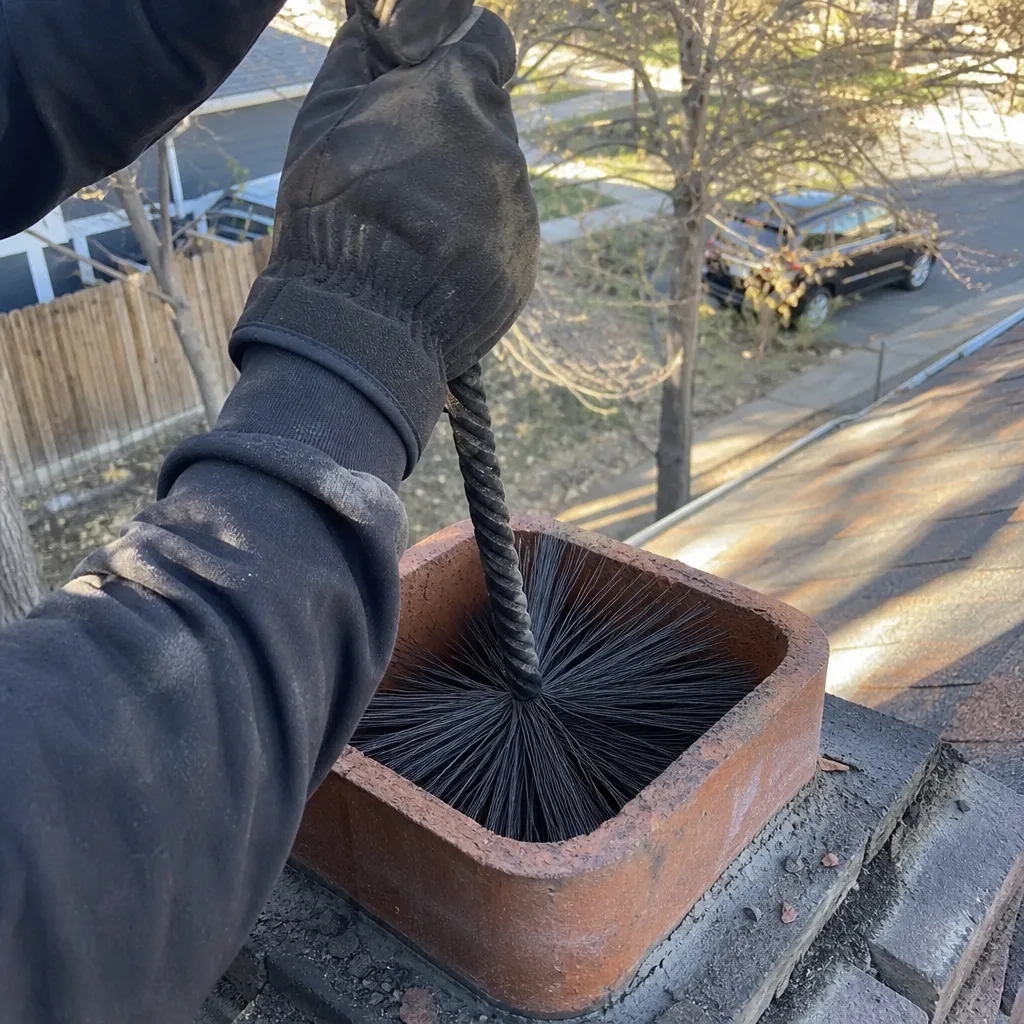
Oakland homeowners burn what grows around them. In the hills above Piedmont and Montclair, that often means seasoned coast live oak and eucalyptus dropped by neighbors or sourced from local tree services. In the flats near Fruitvale and the Dimond District, commercial firewood mixes predominate, but oak and eucalyptus still appear regularly.
These woods behave differently in your flue, and a visual-only inspection misses the distinction.
Oak burns hot and slow with relatively low moisture content when properly seasoned. It produces moderate creosote, typically Stage 1 or Stage 2, that accumulates gradually and predictably. An annual sweep handles it fine.
Eucalyptus is another story. Even when seasoned two years, it contains oils that vaporize during combustion and condense as glazed creosote - hard, tar-like, and often Stage 3. This stuff doesn’t brush off. It requires rotary removal with chains or whips, and it can form in a single season of heavy use. We’ve pulled glazed deposits from eucalyptus-burning flues in Rockridge that looked clean to a flashlight inspection but showed 3/8-inch buildup on camera.
The climate compounds this. Oakland’s marine layer keeps evening humidity high, especially in neighborhoods west of the 580 freeway. Cool, moist flues condense more creosote than dry ones. A flue in Temescal that would stay clean for 18 months in Sacramento may need attention in 10 months here.
This is why camera documentation matters. Stage 3 creosote from eucalyptus looks like a dark stain from below. From inside, it’s a flue fire waiting for ignition. Only a camera scan shows the difference.
Why NFPA 211 Level 2 Is the Minimum Standard, Not an Upgrade
NFPA 211 defines three levels of chimney inspection. Most Oakland homeowners have encountered Level 1: a visual check of accessible portions, performed during routine cleaning. It’s appropriate for chimneys in continuous use with no changes to the system.
Level 2 is what you need after any of these events:
- Real estate transfer or purchase
- Changes to appliance type, fuel, or liner
- Any suspected damage, including chimney fire, earthquake, or weather event
- Annual inspection if the chimney has been unused for a season or more
Level 2 requires camera inspection of the full flue interior, accessible portions of the exterior, and the attic and crawl space where reachable. It produces the documented photo record that insurers and home inspectors expect.
In Oakland, where the 1989 Loma Prieta earthquake damaged thousands of chimney structures and where hillside settling continues to stress masonry, Level 2 should be the default for any home built before 1995. We’ve found hidden flue separation in Grand Lake Victorians, cracked crowns in Redwood Heights ranch homes, and deteriorating liners in Montclair mid-centuries - all invisible from the firebox, all documented only because a camera went down the flue.
Level 3 involves demolition of building materials to access concealed areas. It’s rare, and it’s only triggered when Level 2 indicates a hazard that can’t be evaluated otherwise.
The key point: if a company offers “chimney cleaning” without specifying inspection level, you’re likely getting Level 1. In Oakland’s housing stock, that’s often insufficient. Level Two Chimney Oakland performs NFPA 211 Level 2 camera inspection on every visit - not as an upsell, but as standard practice since 2009.
The Difference Between a ‘Chimney Sweep’ and a ‘Chimney Inspection Company’
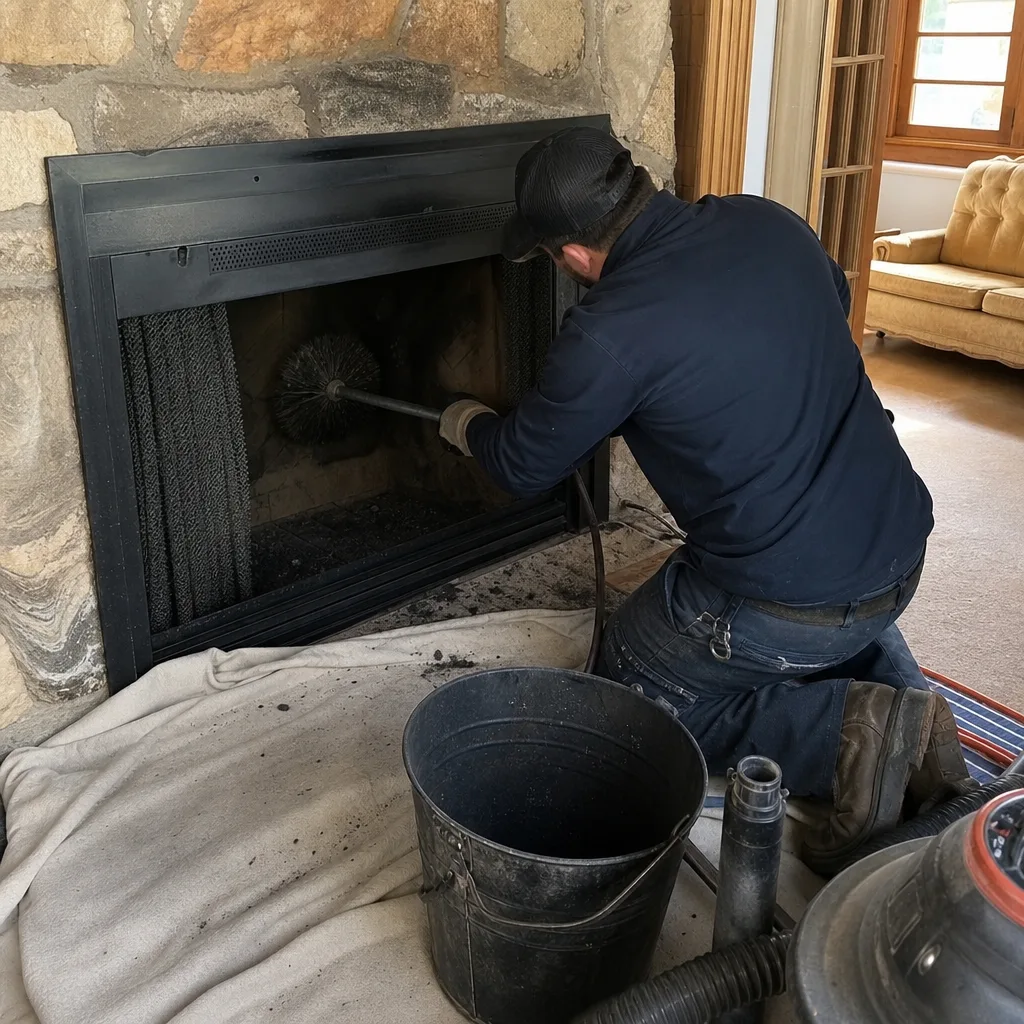
Oakland’s market has both, and choosing between DIY and professional chimney cleaning costs homeowners money when they pick the wrong one for their situation.
A chimney sweep primarily removes combustible deposits. The good ones do this thoroughly, with proper brushes, vacuums, and drop cloths. The limited ones run a brush up and down, collect their fee, and leave. Neither type necessarily evaluates structural condition, liner integrity, or code compliance unless specifically engaged to inspect.
A chimney inspection company evaluates the system as a whole. The inspection includes cleaning as necessary to access and view all components, but the deliverable is diagnosis and documentation, not just soot removal.
Here’s where Oakland homeowners get caught: they hire a sweep when they need an inspection, or they pay for both separately because the sweep found something and couldn’t document it properly. Knowing how to hire a chimney cleaning contractor in Oakland prevents this expensive mismatch.
We’ve seen this repeatedly in the Oakland Hills, where insurance companies require Level 2 documentation for policy renewal. A homeowner pays $150 for a basic sweep in October. In November, the insurer requests camera documentation. The sweep company doesn’t have it, doesn’t do it, or charges separately for a return visit. The homeowner pays twice for what should have been one documented service.
The Haven Standard was built to prevent this. Clause 1 requires a written price and scope before work starts. Clause 4 requires a photo record on completion. A company working to this standard doesn’t separate “sweeping” from “inspecting” - the cleaning enables the inspection, and the inspection documents the cleaning.
When you call for chimney cleaning and sweep in Oakland, ask directly: “Does your price include NFPA 211 Level 2 camera inspection and written documentation?” If the answer involves hesitation, upselling, or “we can add that,” you’re talking to a sweep, not an inspection company. The difference matters for your coverage, your sale, and your safety.
How to Read Your Written Report: Creosote Stages and What They Mean
Your written report should classify creosote by stage and location. Understanding these classifications lets you evaluate whether the recommended next-service date is conservative, appropriate, or dangerously delayed.
Stage 1 Creosote: Sooty, flaky, black or brown. Brushes off easily. Indicates normal combustion with seasoned wood and adequate draft. Next service: 12 months under normal use, or before the next burning season if the chimney has sat idle.
Stage 2 Creosote: Crunchy, porous, tar-like chunks. Requires more aggressive mechanical removal. Indicates slow combustion, marginal wood seasoning, or restricted airflow. Next service: 6-12 months depending on use frequency. In Oakland’s humid microclimates, lean toward 6 months if you’re burning eucalyptus or running the fireplace more than three evenings weekly.
Stage 3 Creosote: Glazed, hardened, shiny or dripping. Often described as “roof tar” or “molasses.” Requires rotary mechanical removal; brushes are ineffective. Indicates chronic poor combustion, unseasoned wood, or oversized flue. Next service: immediate removal, then re-inspection in 3-6 months. Stage 3 is the leading cause of chimney fires nationwide.
Your report should note stage by location: “Stage 1 from firebox to smoke shelf; Stage 2 above first offset; Stage 3 at flue top 18 inches.” This matters because partial Stage 3 can be addressed without full system replacement, while extensive Stage 3 may indicate liner sizing problems requiring chimney repair in Oakland.
The report should also classify the deposit type: “glazed,” “powdery,” or “sticky.” Glazed Stage 3 is the most hazardous. Powdery Stage 1 is the least. If your report lacks this specificity, it wasn’t written to inspection standard.
For your insurer, the stage classification drives risk assessment. Stage 1 with annual documentation typically satisfies standard policies. Stage 2 may trigger a requirement for more frequent service. Stage 3 without documented removal can result in non-renewal or exclusion of fireplace-related claims.
Oakland Codes, Climate, and Neighborhood-Specific Considerations
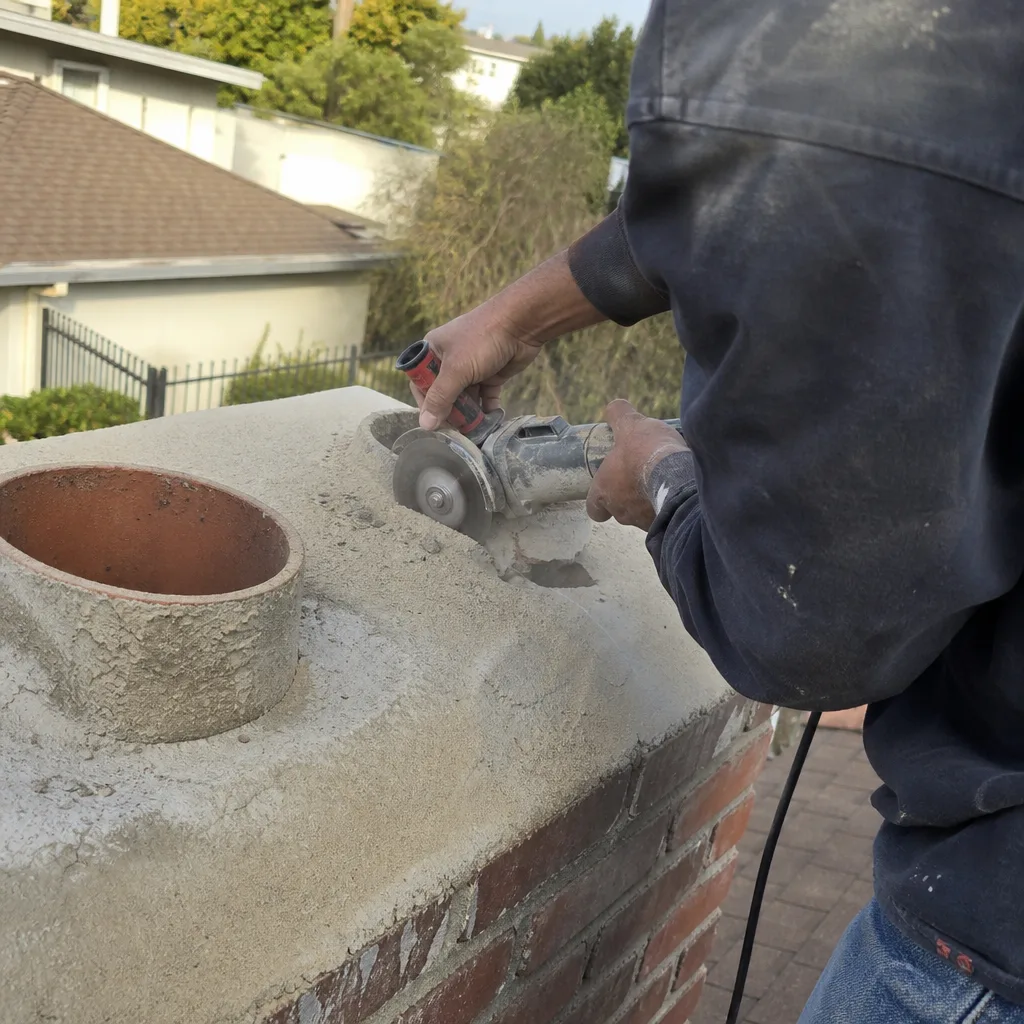
Oakland’s chimney regulations operate on multiple layers: California Building Code, Oakland Fire Code, and for hillside properties, the Hills Fire Prevention District requirements. Seasonal chimney cleaning care for Oakland homeowners means understanding which rules apply to your address to prevent surprises during inspection or sale.
Hills Fire Prevention District: Covers properties east of the ridgeline, generally above 500 feet elevation. Requires greater clearance between chimney terminations and vegetation, specific spark arrestor standards, and in some zones, documented annual inspection for insurance compliance. If you’re in Montclair, Piedmont Pines, or the upper reaches of Redwood Heights, your inspector should know these requirements by address.
Earthquake provisions: Oakland’s location on the Hayward Fault means chimneys face seismic stress that inland Bay Area cities don’t match. The 1989 Loma Prieta earthquake damaged an estimated 15,000 chimney structures in Oakland alone. Unreinforced masonry chimneys, common in pre-1960 construction throughout Grand Lake, Adams Point, and Temescal, are particularly vulnerable. A proper inspection evaluates not just flue condition but structural anchoring and crown integrity.
Marine climate effects: Oakland’s summer fog intrusion and winter rainfall create freeze-thaw cycling that spalls brick and deteriorates mortar. We’ve replaced crowns in Rockridge that failed in five years due to moisture penetration, while similar construction in drier climates lasts fifteen. Your inspection report should note crown condition specifically, not generically.
Neighborhood housing stock patterns:
- Grand Lake / Adams Point / Pill Hill: Pre-1920s Victorians and Edwardians with unlined or terra-cotta-lined flues, often multiple fireplaces per home, frequently modified for gas inserts without proper liner sizing.
- Rockridge / Elmwood: 1920s-1940s bungalows and Mediterranean revivals, mixed lined and unlined construction, common DIY modifications from the 1970s-1980s that may not meet current code.
- Redwood Heights / Sequoia Heights: Postwar ranch homes with factory-built metal chimneys, often original equipment approaching end of service life.
- Montclair / Piedmont Pines: Mid-century to contemporary homes on steep lots, frequently with multiple fireplaces, exterior chimney runs vulnerable to hillside settling, and strict Hills Fire District clearance requirements.
A sweep who treats a Montclair hillside chimney the same as a flatland Temescal flue hasn’t looked at the site conditions. Documentation should reflect these specifics.
How to Choose a Chimney Cleaning Provider in Oakland
The right questions separate documentation-based providers from brush-and-vacuum operations. Ask these before booking:
- “What inspection level does your standard cleaning include?” The answer should be NFPA 211 Level 2 with camera documentation. Anything less leaves you without proof of service.
- “What documents do I receive when the job is complete?” You want the four-item list above: dated invoice, camera images, creosote classification, and written repair scope with price if needed.
- “Do you provide a written price before work starts, or after inspection?” After-inspection pricing invites pressure tactics. The Haven Standard’s Clause 1 requires written price and scope before any work begins - a practice we’ve maintained since 2009.
- “What’s your policy if I disagree with a repair recommendation?” A provider confident in their diagnosis offers a free second opinion on any written estimate. We do this routinely; it keeps everyone honest.
- “Can I see a sample report?” Professional operations have this ready. Vague responses suggest inconsistent documentation.
- “Are your technicians background-checked and uniformed?” You’re admitting strangers to your home. The H.A.V.E.N. standard’s “Verified crews” requirement exists for this reason. You should receive a text when your technician is en route, with name and photo.
Red flags: pricing that requires an in-home visit to “assess,” pressure to decide on repairs during the same visit, inability to explain creosote stages, or reluctance to provide documentation in advance of payment.
We’ve built our practice on transparency because the alternative - hidden pricing, undocumented work, unverified crews - is how homeowners end up with denied claims and unsafe chimneys. Our materials come from HeatShield, Gelco, and Olympia Chimney, sourced through Haven’s buying network to keep pricing honest, and every installation carries the 365-Day Done Right Promise.
What Chimney Cleaning Costs in Oakland: A Detailed Breakdown
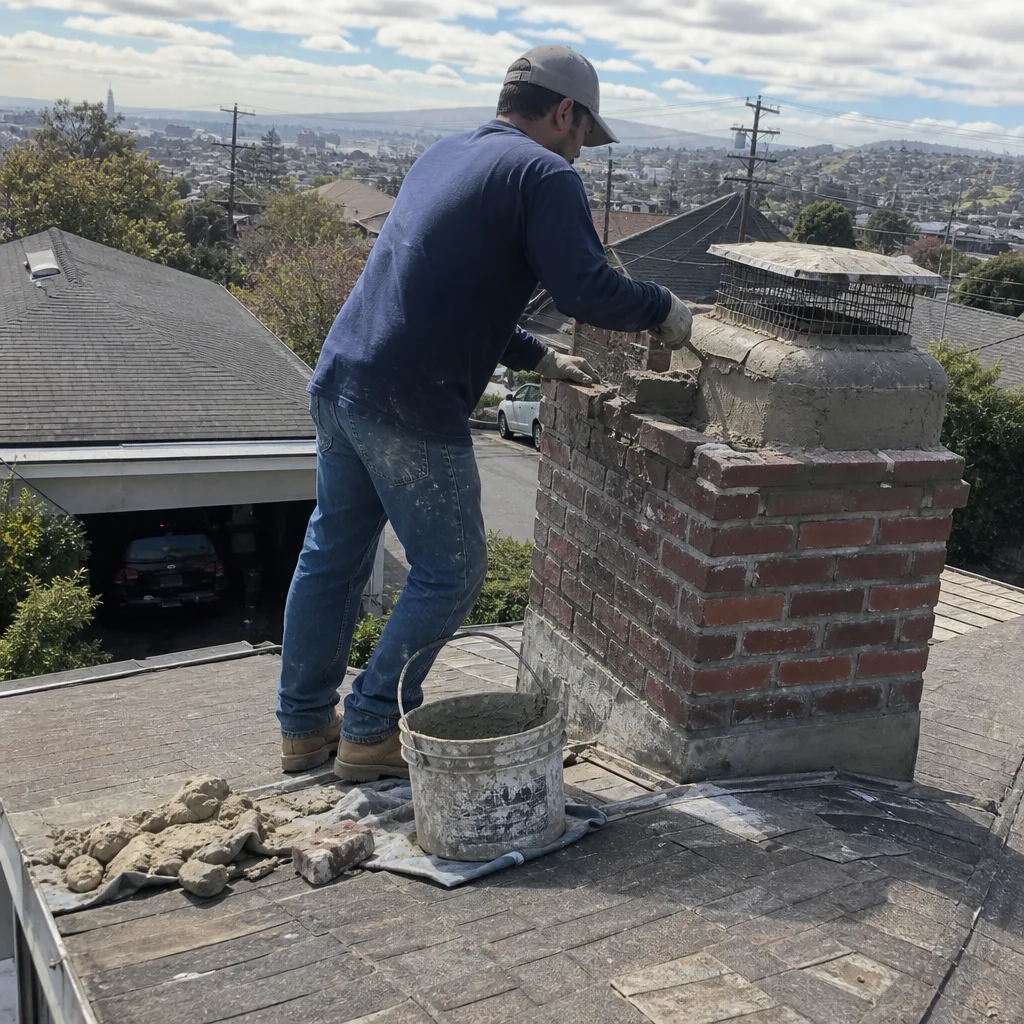
Chimney cleaning costs in Oakland vary by system type, access difficulty, and what’s included in the service. The table below reflects actual market ranges for documented, professional service - not the lowest price you might find on a coupon site.
| Service | Price Range | What’s Included |
|---|---|---|
| Standard chimney sweep with Level 2 inspection | $199 - $289 | Cleaning of one flue, NFPA 211 Level 2 camera inspection, written report with creosote stage, photo documentation |
| Two-flue system (fireplace + furnace) | $289 - $389 | Cleaning and inspection of both flues, separate documentation for each |
| Stage 2 creosote removal (mechanical) | $75 - $150 additional | Rotary or chain-based removal beyond standard brushing, re-inspection to confirm clean flue |
| Stage 3 glazed creosote removal | $150 - $350 additional | Specialized rotary equipment, chemical treatment if needed, extended labor, full documentation |
| Factory-built chimney sweep | $179 - $249 | Metal flue cleaning, cap and termination inspection, gasket evaluation |
| Gas fireplace inspection (no sweep needed) | $149 - $199 | Log set, burner, and valve inspection; venting evaluation; documentation for warranty compliance |
Factors that increase cost in Oakland specifically:
- Steep roof access: Hillside homes in Montclair or Piedmont Pines with roof pitches above 8/12 require additional safety equipment and time.
- Historic construction: Pre-1920s flues with irregular dimensions or damaged terra-cotta may need custom brush configurations.
- Inactive chimneys: Chimneys unused for multiple seasons often require more intensive initial cleaning and longer inspection time.
What should never cost extra: the written report, camera documentation, or technician identification. These are baseline professional standards, not upgrades.
At Level Two Chimney Oakland, every job is quoted in writing before work begins - no exceptions, no “call for a quote.” If you have a competitor’s written estimate, we’ll provide a free second opinion. Call (628) 300-1701 for exact pricing for your system.
Common Mistakes to Avoid
- Hiring based on lowest price without asking what’s included. A $99 sweep that produces no documentation costs more than a $250 service with full records when your insurer requests proof.
- Assuming gas fireplaces don’t need inspection. Gas systems don’t produce creosote, but venting blockages, deteriorated gaskets, and improper log placement cause carbon monoxide hazards. Annual inspection is still warranted.
- Ignoring the smoke chamber. The area above the firebox and below the flue is where many chimney fires start. It’s invisible from below without a camera angled upward. A proper Level 2 inspection documents this space.
- Scheduling based on calendar alone rather than use pattern. Burning eucalyptus three nights weekly from November through March generates more deposits than occasional weekend use. Your next-service date should reflect your actual consumption, not a generic annual reminder.
- Accepting verbal repair recommendations without written scope and price. This is how $400 sweeps become $4,000 surprises. Haven Standard Clause 1 exists because we saw this pattern repeatedly in our early years.
- Neglecting documentation for rental properties. Oakland’s rent control and tenant protection laws make landlord documentation especially important. A chimney fire in a rental without service records exposes owners to liability beyond insurance exclusion.
- Assuming a new home purchase inspection covered the chimney. General home inspectors visually examine accessible portions but don’t perform Level 2 camera inspection. In our experience, 30% of Oakland home sale inspections that passed general inspection revealed significant issues on chimney camera scan.
When to Call a Professional
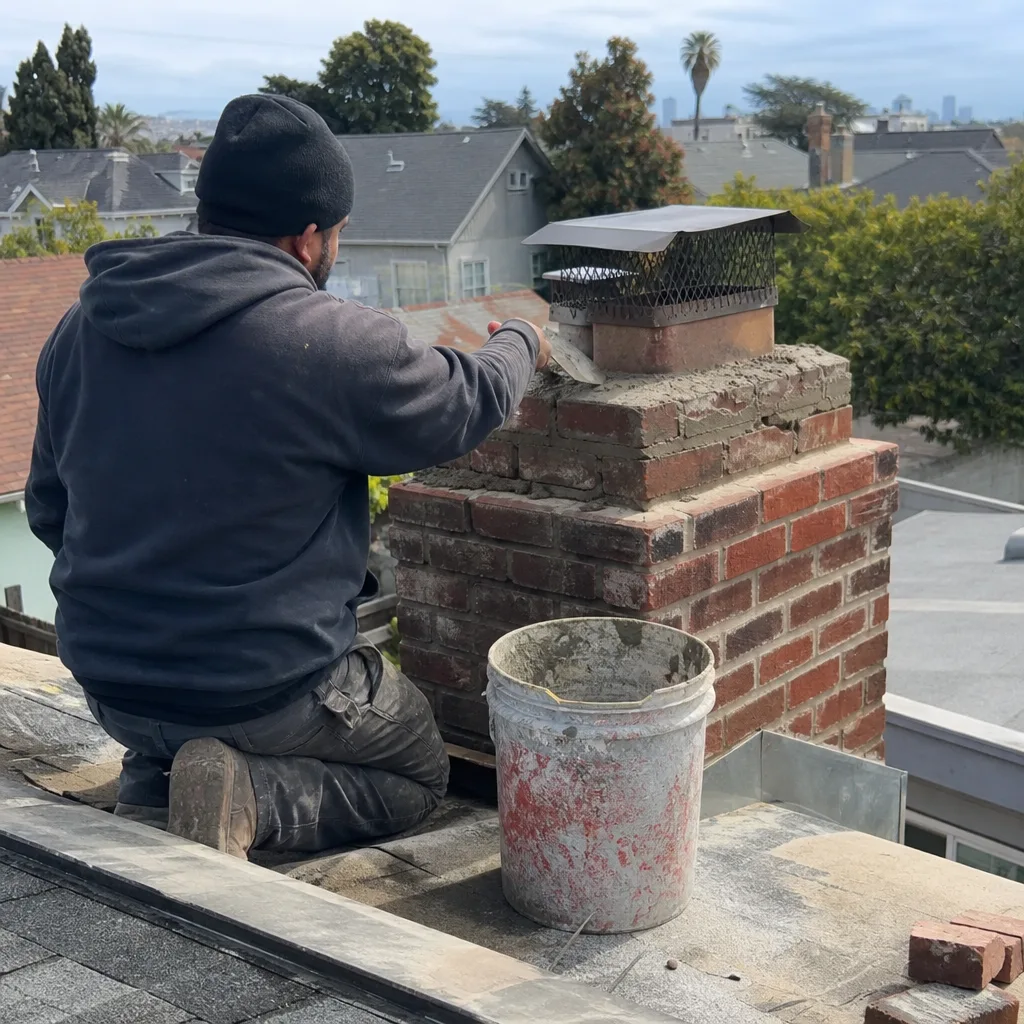
Schedule professional service before the burning season begins, ideally September or October, when appointment availability matches thorough scheduling. For more guides & resources on timing your maintenance, see our blog. Call immediately if you notice smoke entering the room, a strong tar odor when the fireplace isn’t in use, visible cracks in the firebox or exterior masonry, or white staining (efflorescence) on the chimney exterior indicating moisture penetration.
After any earthquake, even minor shaking, a Level 2 inspection checks for flue separation or structural damage that isn’t visible from ground level. Following any chimney fire, even one that self-extinguished, full inspection and cleaning are mandatory before next use - the damage from rapid temperature change often compromises liner integrity.
For fireplace services in Oakland including installation, conversion, or repair, documented inspection should precede any modification to ensure proper sizing and code compliance.
Level Two Chimney Oakland offers free estimates in Oakland - call (628) 300-1701. Our live phone support runs 24 hours a day, seven days a week. You’ll speak to a person, not a voicemail system, and we’ll schedule your documented inspection at your convenience.
Frequently Asked Questions
Standard chimney cleaning with NFPA 211 Level 2 camera inspection runs $199 to $289 for a single flue in Oakland, with two-flue systems at $289 to $389. Stage 2 or 3 creosote removal adds $75 to $350 depending on severity. We provide exact written pricing before any work begins - call (628) 300-1701 for a free estimate.
Annual sweeping is the baseline for wood-burning fireplaces under normal use. In Oakland, burn eucalyptus or operate more than three evenings weekly, and every 6 to 10 months is safer due to faster creosote accumulation. Gas systems need annual inspection though not necessarily sweeping. The specific interval should be set by your documented creosote stage and written report, not by calendar alone.
A legitimate liner recommendation comes with camera images showing cracks, gaps, or deterioration; a written explanation of why the existing liner fails NFPA 211; and a scope with exact replacement specifications and price. At Level Two Chimney Oakland, nothing is recommended without camera evidence you can see yourself. If a company recommends replacement without showing you the damage, get a free second opinion on their written estimate.
Skipped cleaning allows creosote accumulation that restricts draft, deposits combustible material in the flue, and increases risk of chimney fire and carbon monoxide intrusion. In Oakland’s insurance market, it also means no documentation to support claims if fire or damage occurs. The cost of documented annual service is minor compared to deductible, premium increase, or claim denial. Call (628) 300-1701 to schedule before the burning season.
Level 1 is visual examination of accessible portions without specialized equipment, appropriate only for chimneys in continuous use with no changes. Level 2 adds camera inspection of the full flue interior, accessible exterior evaluation, and documented photo record. In Oakland, Level 2 is the practical minimum for any home purchase, insurance requirement, suspected damage, or chimney unused for a season or more.
Homeowners can perform basic soot removal from the firebox and smoke shelf with proper brushes and protection. However, flue inspection requires specialized camera equipment, and roof access involves fall risk on Oakland’s frequently steep hillside pitches. More critically, DIY cleaning produces no documentation for insurance or sale purposes. For the inspection component that matters most, professional service is the practical choice. We never recommend homeowners attempt removal of Stage 2 or 3 creosote - the mechanical force required risks flue damage and personal injury.
The Bottom Line
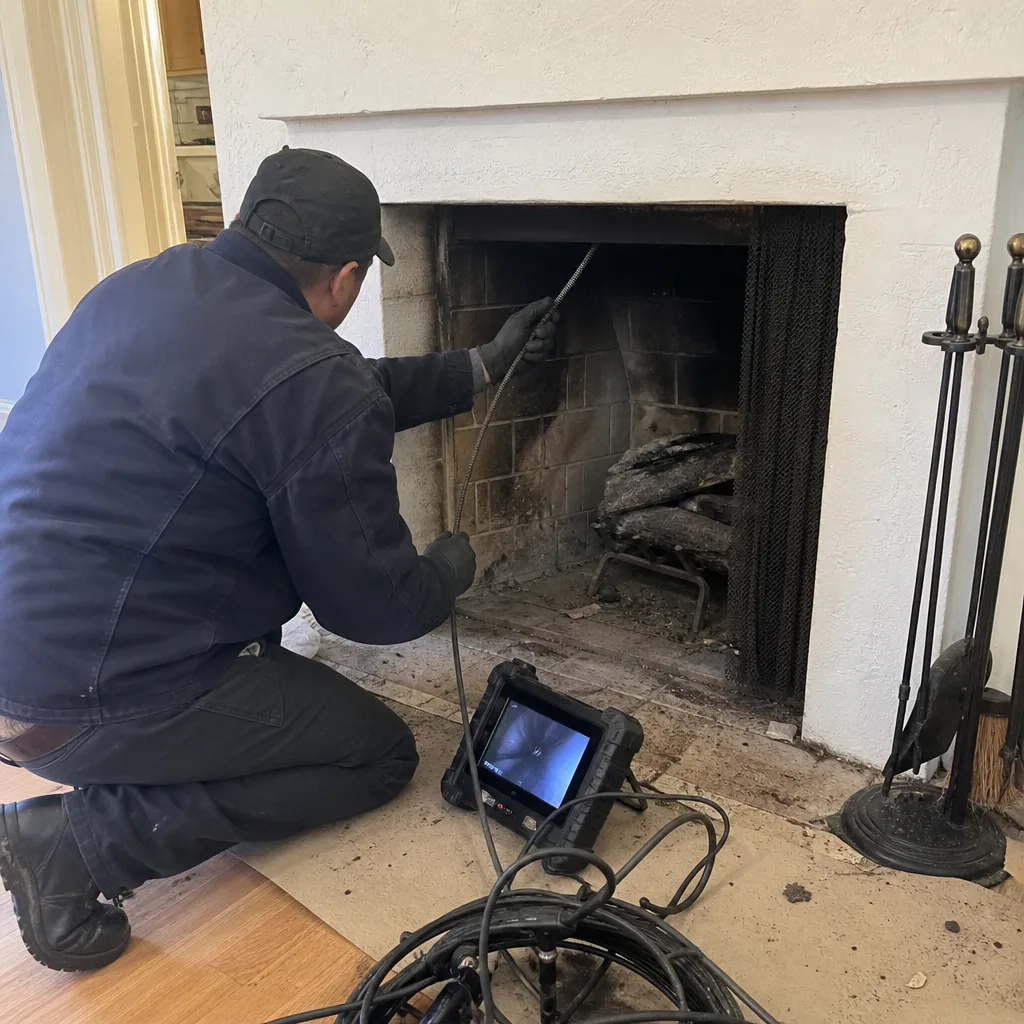
Chimney cleaning in Oakland is two jobs: removing combustible deposits, and documenting that you did. The first protects your home. The second protects your insurance coverage, your home sale, and your liability exposure. A flue that was cleaned but not recorded is, for legal and practical purposes, the same as a flue that was never touched.
Since 2009, Level Two Chimney Oakland has completed more than 38,000 chimney inspections and cleanings, every one with a written price before work started and a documented record when finished. Our NFPA 211 Level 2 camera inspection, photo documentation, and written reporting follow the Haven Standard we’ve operated under from day one. The 365-Day Done Right Promise backs every job.
For chimney cleaning that leaves proof, not just promises, call (628) 300-1701 or visit our Level Two Chimney Oakland home page to schedule your documented inspection.
Written by Corrine Halstead, Owner at Level Two Chimney Oakland, serving Oakland since 2009.