
Last updated September 22, 2026
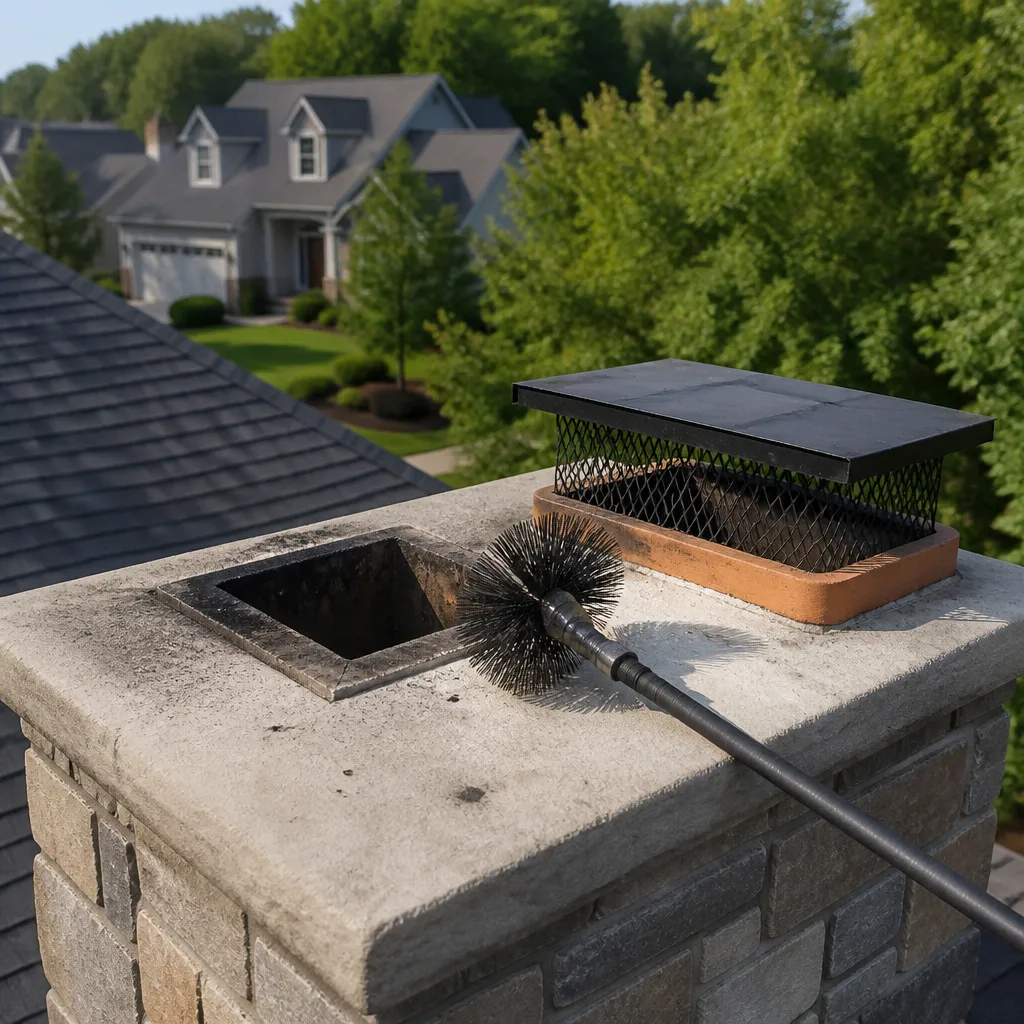
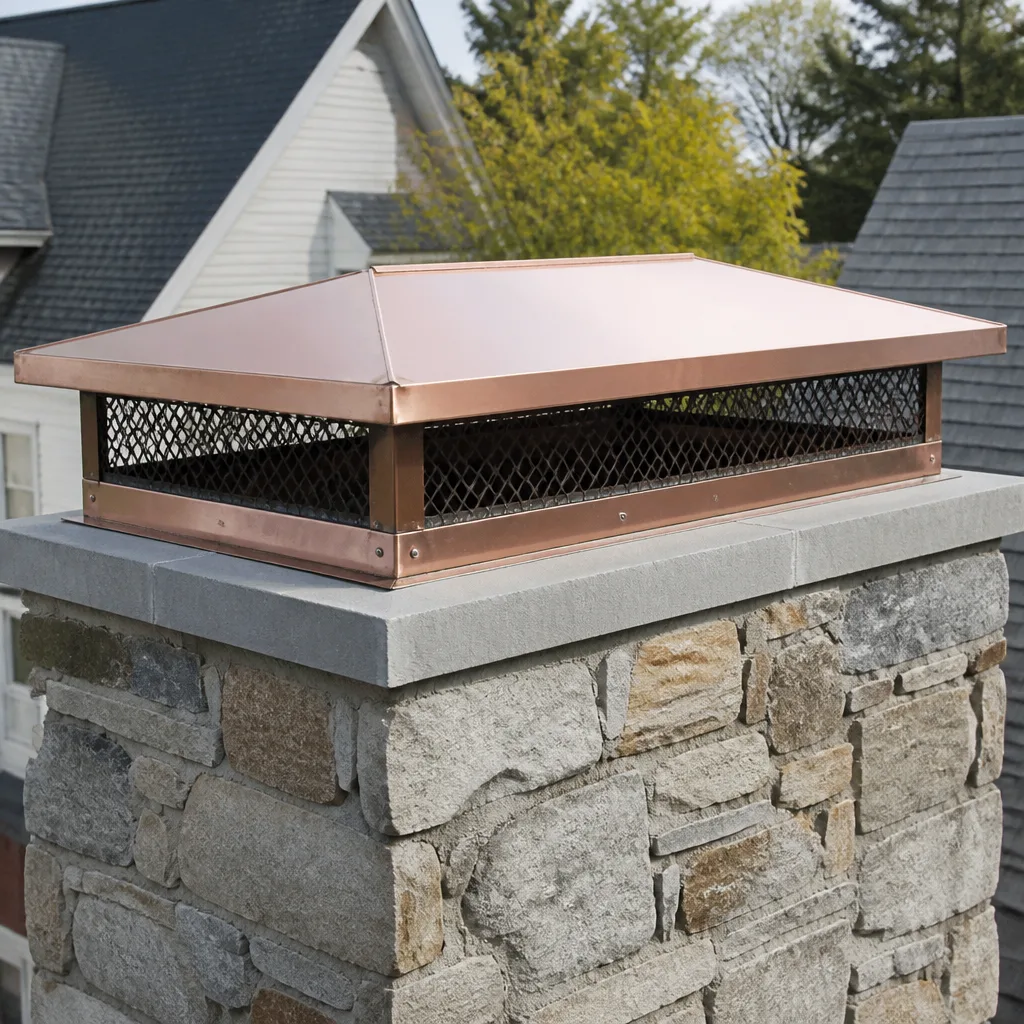
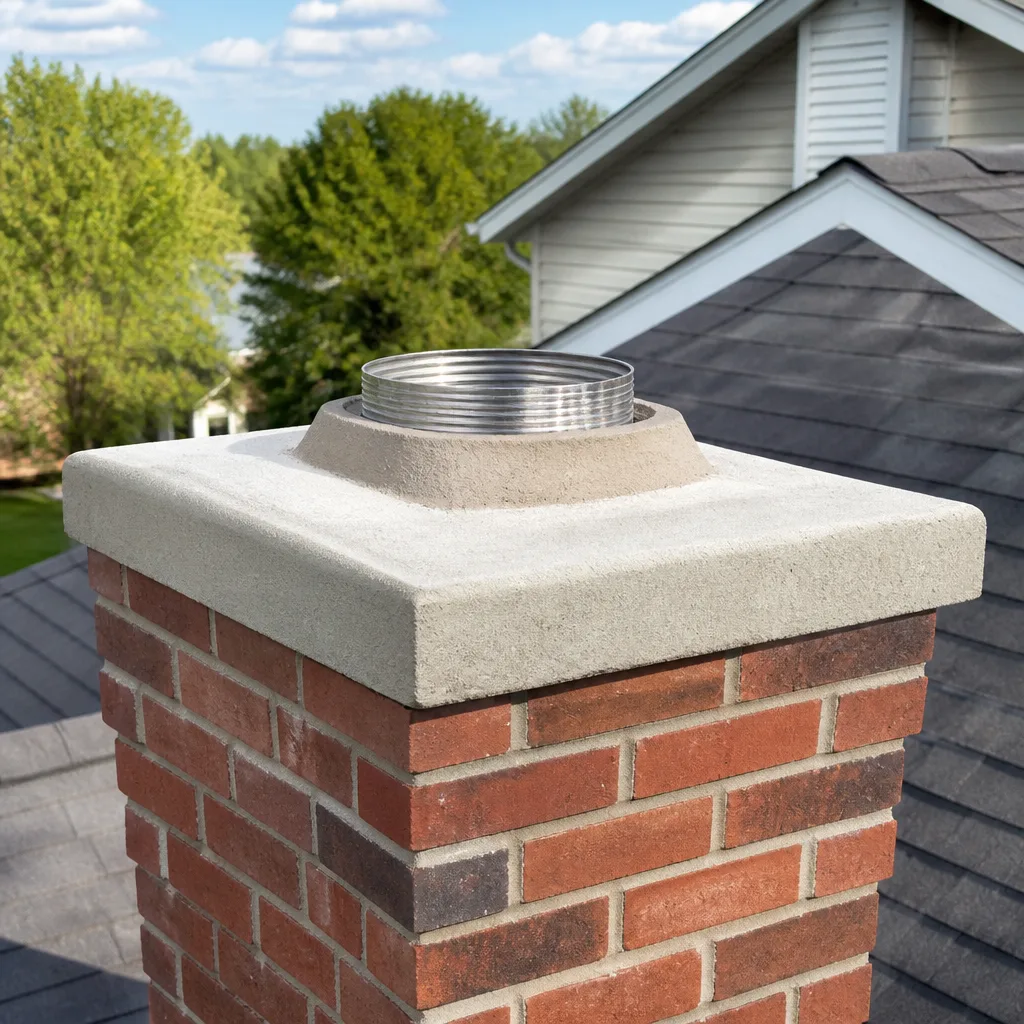
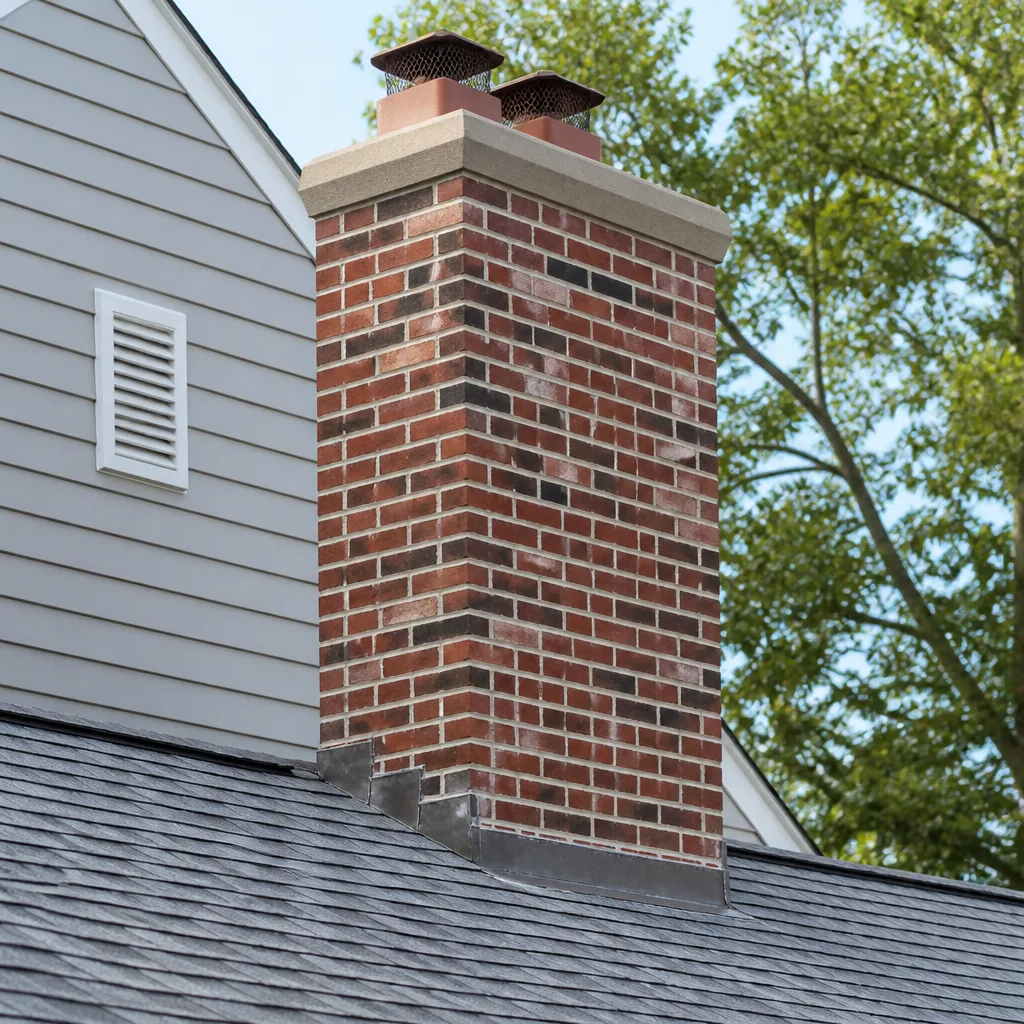
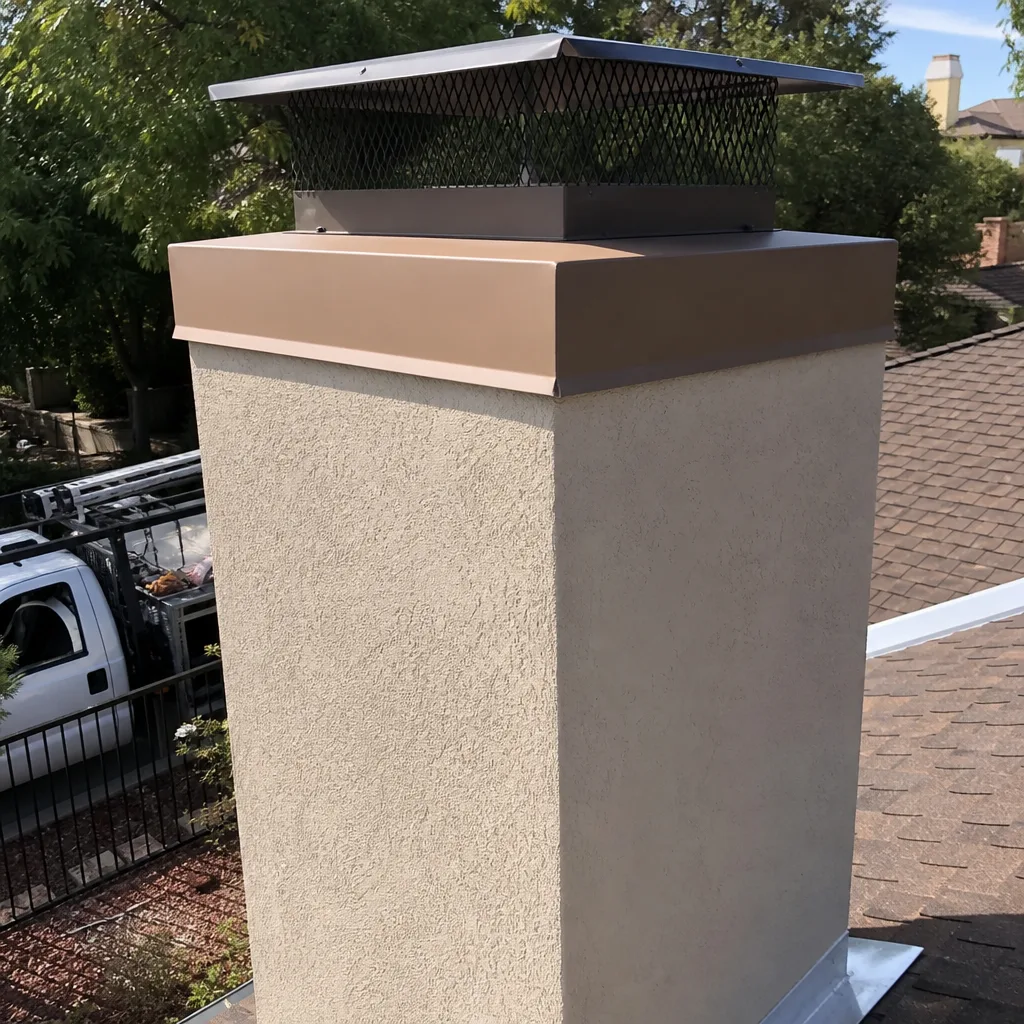
Level 1 sweep and inspection to the NFPA 211 annual standard - flue, crown, cap, and flashing checked and photographed
Chimney sweep logs do not sweep chimneys. They loosen some creosote - which then falls where a brush and vacuum still have to collect it.
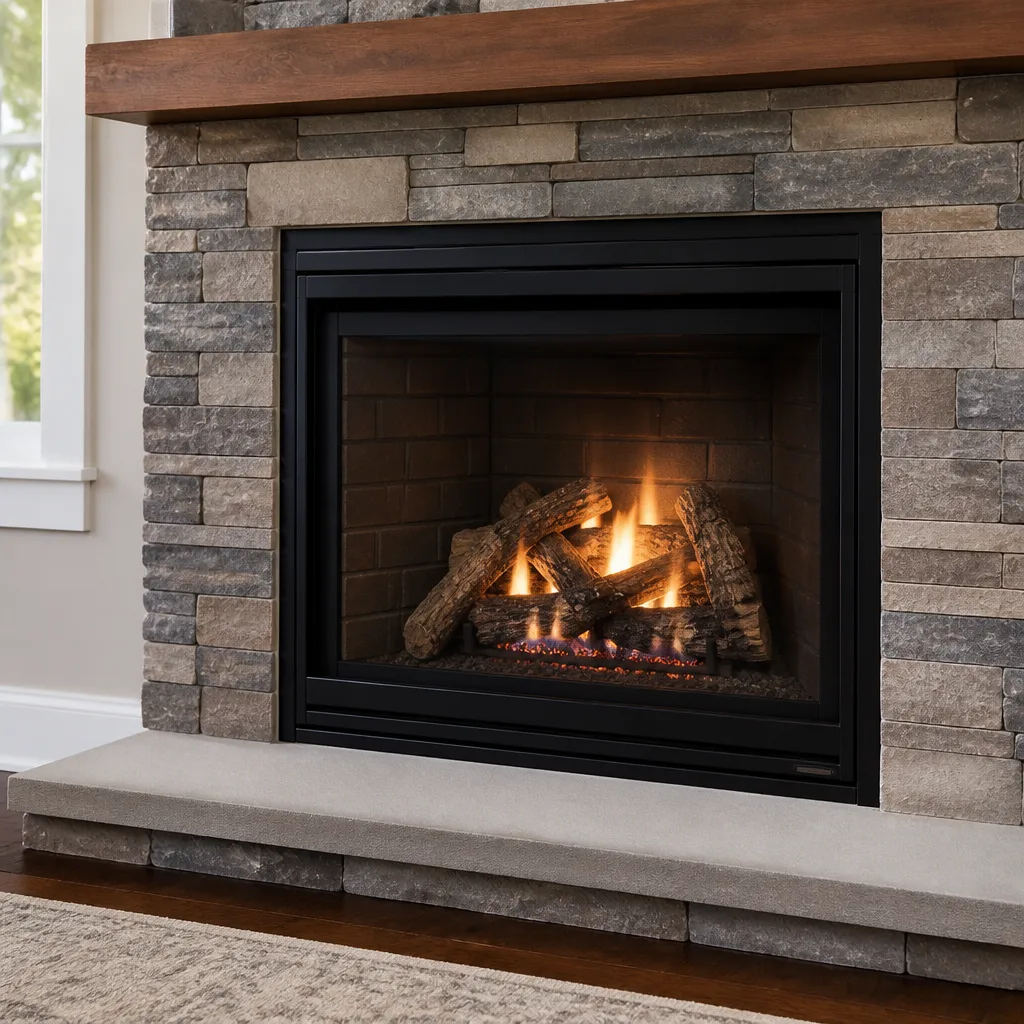
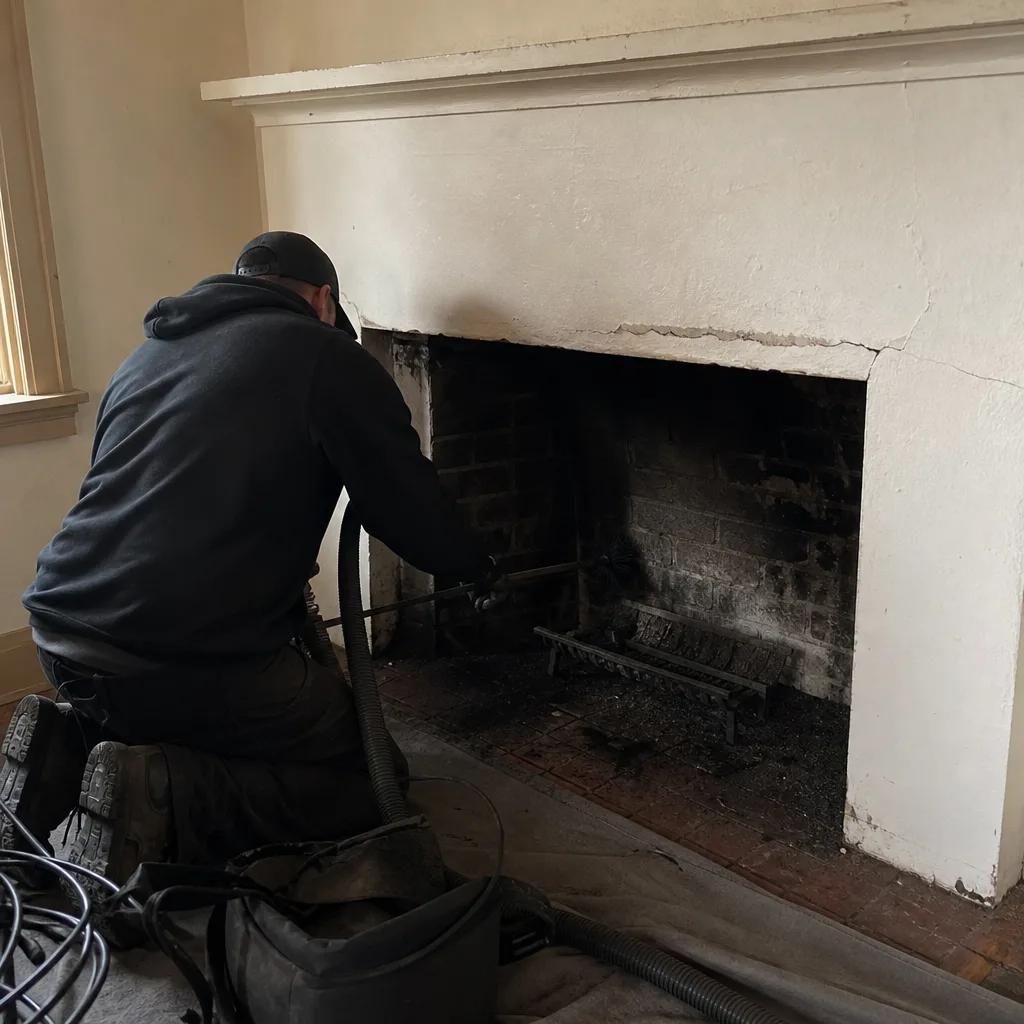 Before
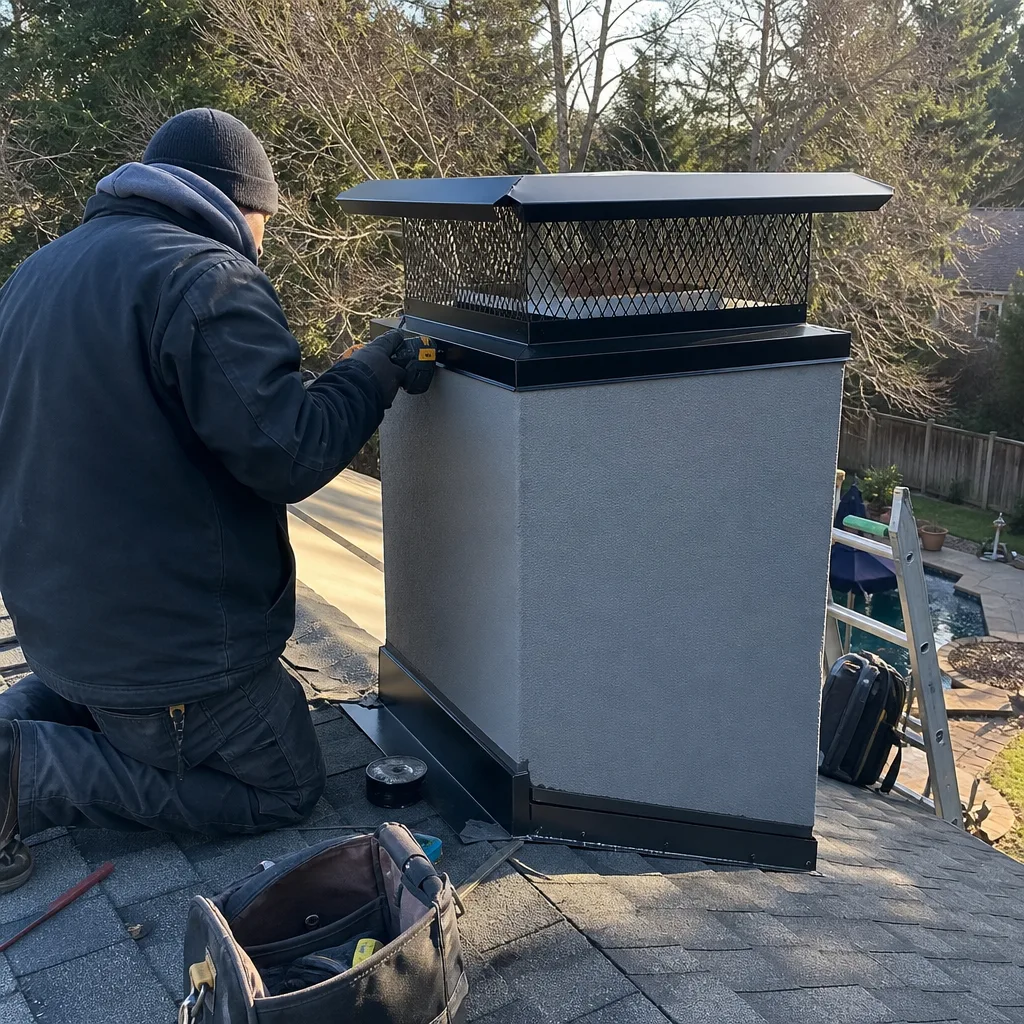 After
After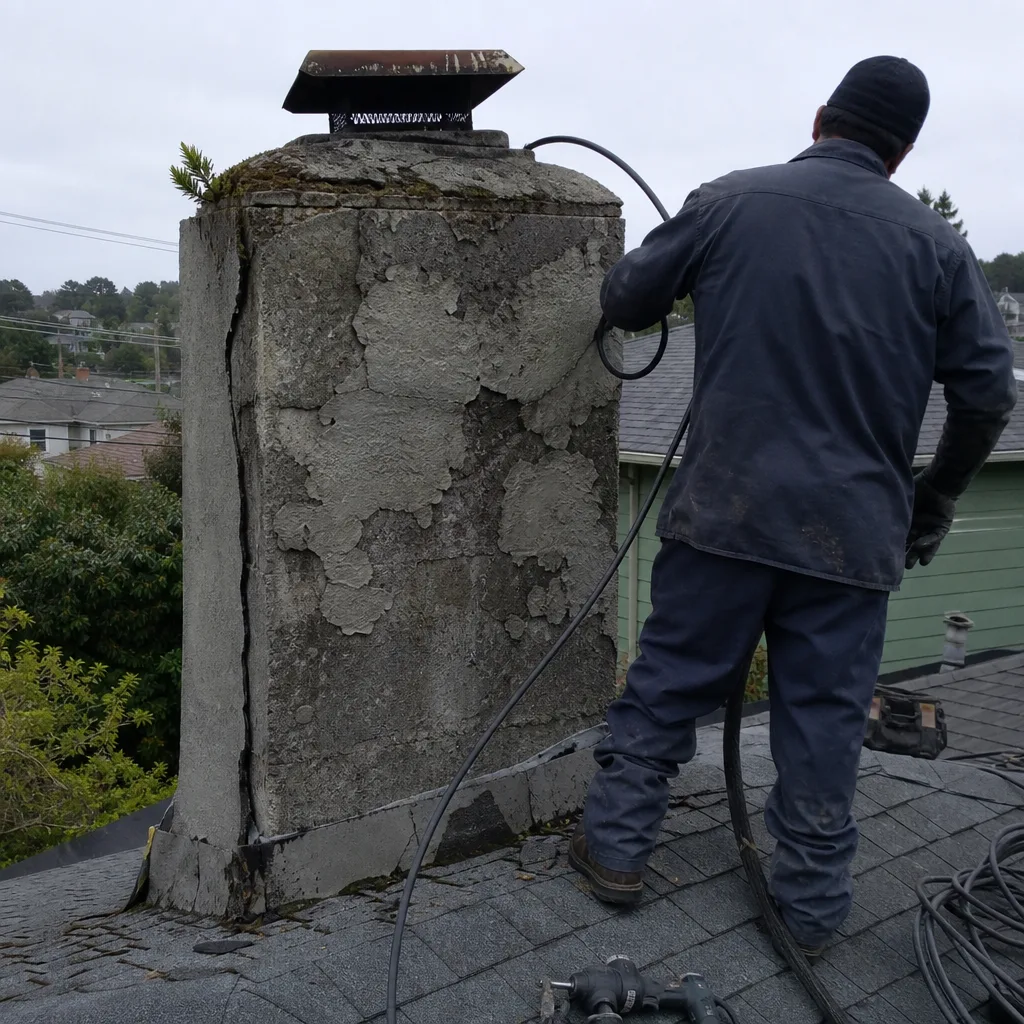 Before
 After
After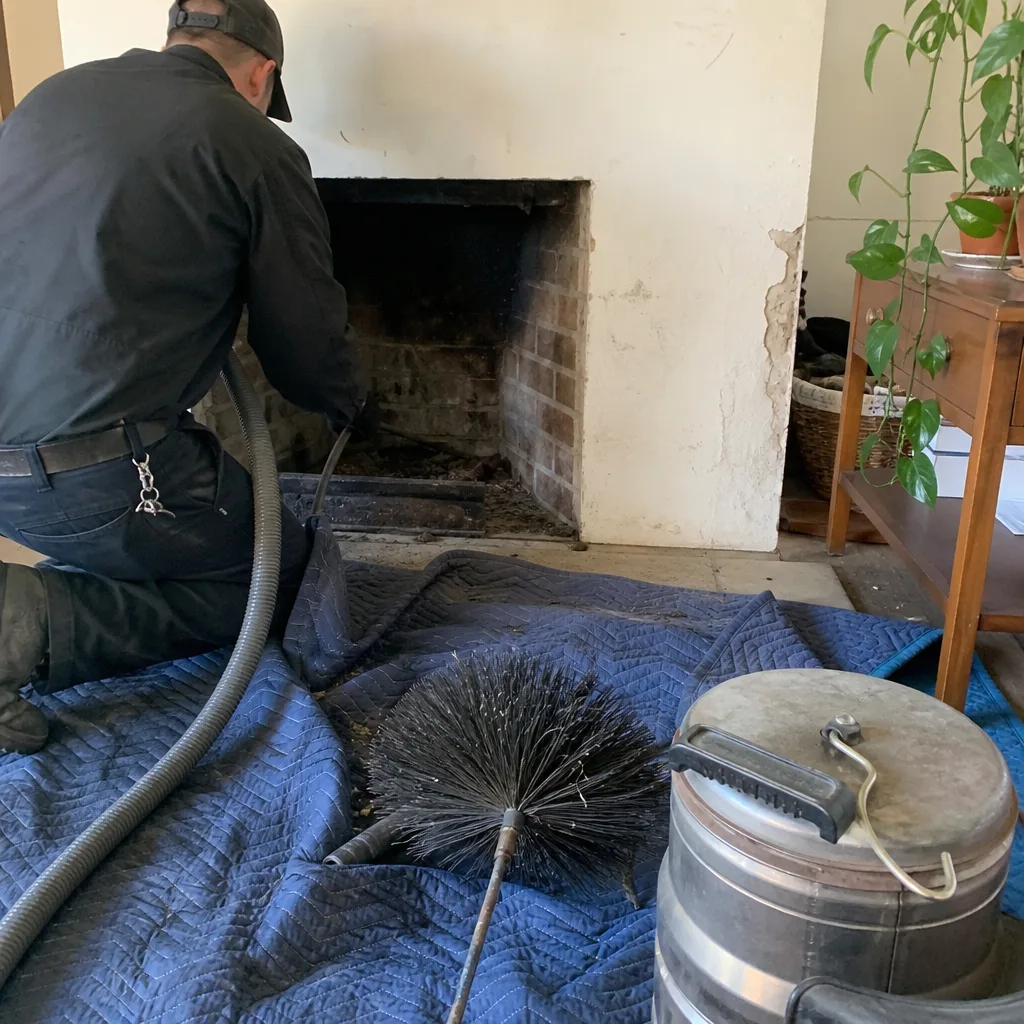 Before
 After
AfterDIY vs Professional Chimney Cleaning: The Oakland Homeowner’s Decision Guide
Here’s something most chimney guides won’t tell you: the homeowner who rents a brush kit from Home Depot and runs it up their flue has performed the exact same physical labor as the technician offering a $79 coupon sweep in Oakland. Same rods, same bristles, same soot on the floor. The difference isn’t the brushing. It’s what happens after the brushing stops - and whether anyone can prove what the inside of that flue actually looks like. In Oakland’s competitive real estate market, where a home sale can hinge on inspection documentation and where insurers increasingly request Level 2 inspection records after a chimney fire claim, that proof gap is where DIY cleaning becomes a financial liability. This guide draws the line at documentation, not difficulty.
Quick Answer
Most Oakland homeowners can safely clean their firebox, remove ashes, and inspect their chimney cap between professional visits. However, DIY chimney cleaning cannot produce the camera documentation that insurers, home buyers, and the NFPA 211 Level 2 standard require - and a standard brush kit will miss glazed creosote deposits that a camera would catch. For any flue that has burned wood more than a season, professional cleaning with documented inspection is the safer financial decision, as covered in our Seasonal Chimney Cleaning Care for Oakland: Year-Round Homeowner’s Guide.
Table of Contents
- What a Brush Kit Actually Cleans (and What It Misses)
- Three Tasks Homeowners Can Safely DIY Between Professional Visits
- The Documentation Gap: Why DIY Cleaning Creates a Financial Liability
- Oakland’s Wildlife Addendum: Chimney Swifts and Federal Protections
- The Break-Even Math: Professional Cleaning Cost vs. Repair Cost in Oakland
- What Professional Chimney Cleaning Actually Includes in Oakland
- Common Mistakes to Avoid
- When to Call a Professional
- Frequently Asked Questions
 Before
 After
AfterWhat a Brush Kit Actually Cleans (and What It Misses)
A standard chimney brush kit - poly or wire bristles on flexible rods, available at any Oakland hardware store for $30-$80 - removes loose, powdery soot and flaky Stage 1 creosote. That’s it. The physics of what happens inside a flue over a burning season are more complicated than the packaging suggests, and understanding those physics is what separates a surface cleaning from a safe one.
The Three Stages of Creosote
Creosote forms in three distinct stages, and your brush kit only handles one reliably:
- Stage 1: Soot and fine ash, black and dusty. A brush kit removes this effectively. This is what you’ll see after a season of clean-burning hardwood.
- Stage 2: Crunchy, porous flakes that cling to flue tiles. A brush may dislodge some of this, but fragments remain. More critically, Stage 2 often hides beneath Stage 1 deposits - the brush passes over it, the homeowner sees black dust on the rods, and assumes the flue is clean.
- Stage 3: Glazed, tar-like, hardened creosote - shiny and black or dark brown, sometimes with a glassy surface. This is the fuel source in most chimney fires. A standard brush kit cannot remove it. Chemical treatments exist, but applying them without knowing the extent of glazing is guesswork that can damage flue tiles or leave combustible material in place.
In our experience across Oakland’s older housing stock - particularly in neighborhoods like Rockridge, Temescal, and the Oakland Hills where pre-1980 masonry chimneys are common - Stage 2 and Stage 3 creosote appear more frequently than homeowners expect. The combination of cooler exterior chimney temperatures in our marine-influenced climate and the tendency to burn lower-quality firewood (often oak and pine mixes from local suppliers) accelerates creosote buildup beyond what a casual burner might predict.
What the Brush Cannot Reach
Beyond creosote stages, a brush kit has structural blind spots:
- The smoke chamber: The area above the firebox and below the flue, often with sloping walls. Creosote accumulates here in corners and on the chamber shelf. A brush rod goes straight up; it doesn’t scrub angles.
- The smoke shelf: A flat ledge behind the damper where debris, soot, and occasionally small animals collect. This requires hand tools and visual inspection, not rod extension.
- Flue liner joints and offsets: Terra cotta flue tiles have mortar joints that deteriorate. A brush glides past a cracked joint; a camera stops and documents it.
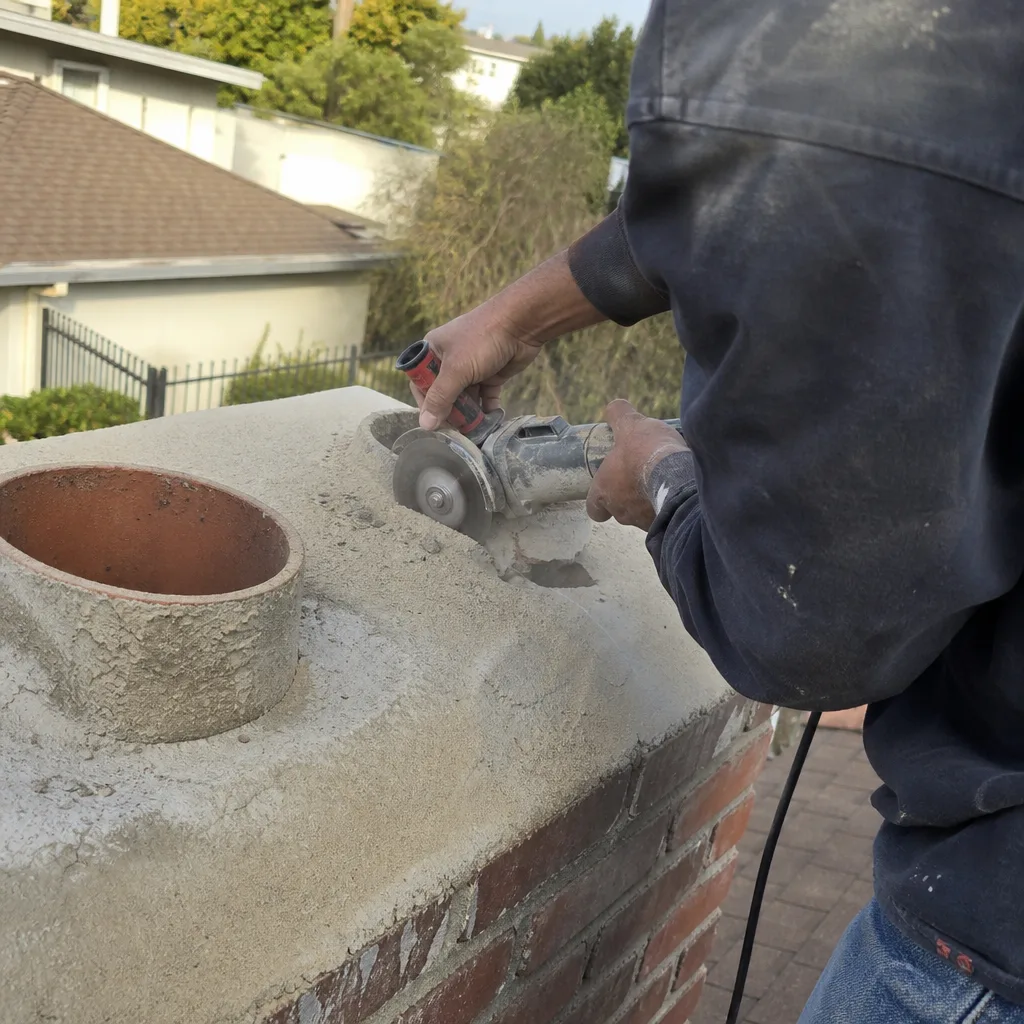
- The crown and exterior flue opening: Water intrusion at the crown - common in Oakland after winter rains - causes spalling (surface flaking) of masonry that a brush kit never addresses.
The critical gap is detection. A homeowner finishes brushing, sees black dust, and concludes the job is done. A professional with a chimney camera sees the glazed pocket the brush missed, the cracked tile at the third joint, or the bird’s nest partial obstruction that reduced draft and caused the excessive creosote buildup in the first place.
Three Tasks Homeowners Can Safely DIY Between Professional Visits
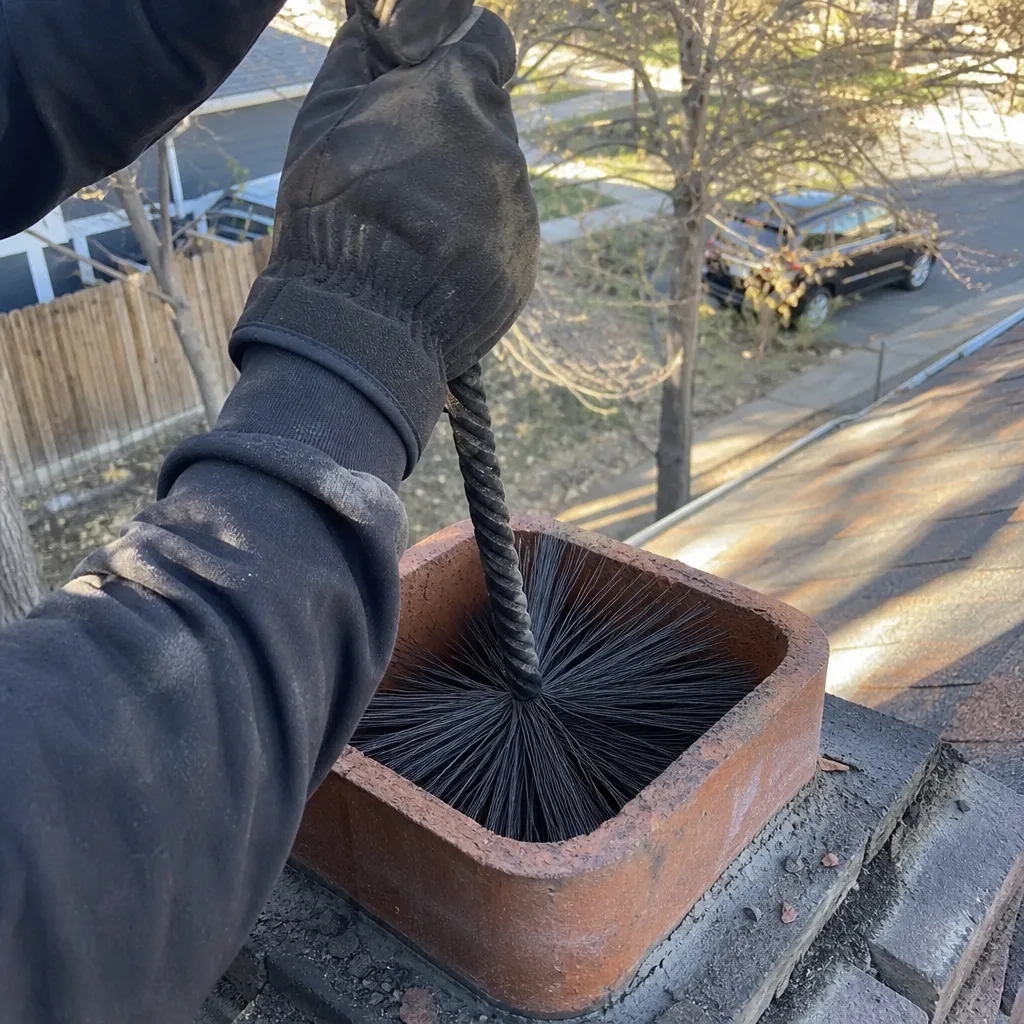
DIY chimney maintenance isn’t all or nothing. There are specific tasks that reduce professional cleaning frequency, improve fireplace performance, and carry minimal risk. We recommend these to Oakland homeowners who burn regularly and want to extend the value of their professional service.
Task 1: Firebox Sweeping and Ash Removal
This is the highest-value DIY task. Remove ashes when they reach 1-2 inches deep at the firebox base - deeper ash beds insulate coals and reduce combustion efficiency, but a thin layer protects the firebox floor.
- Wait 24 hours after last burning. Even apparently cold ashes contain live embers.
- Wear a N95 respirator and nitrile gloves. Wood ash is alkaline and can irritate skin; fine particles are respiratory hazards.
- Scoop ashes into a metal container with a tight-fitting lid. Never use plastic or cardboard. Store the container outside on concrete, away from structures, for at least 72 hours.
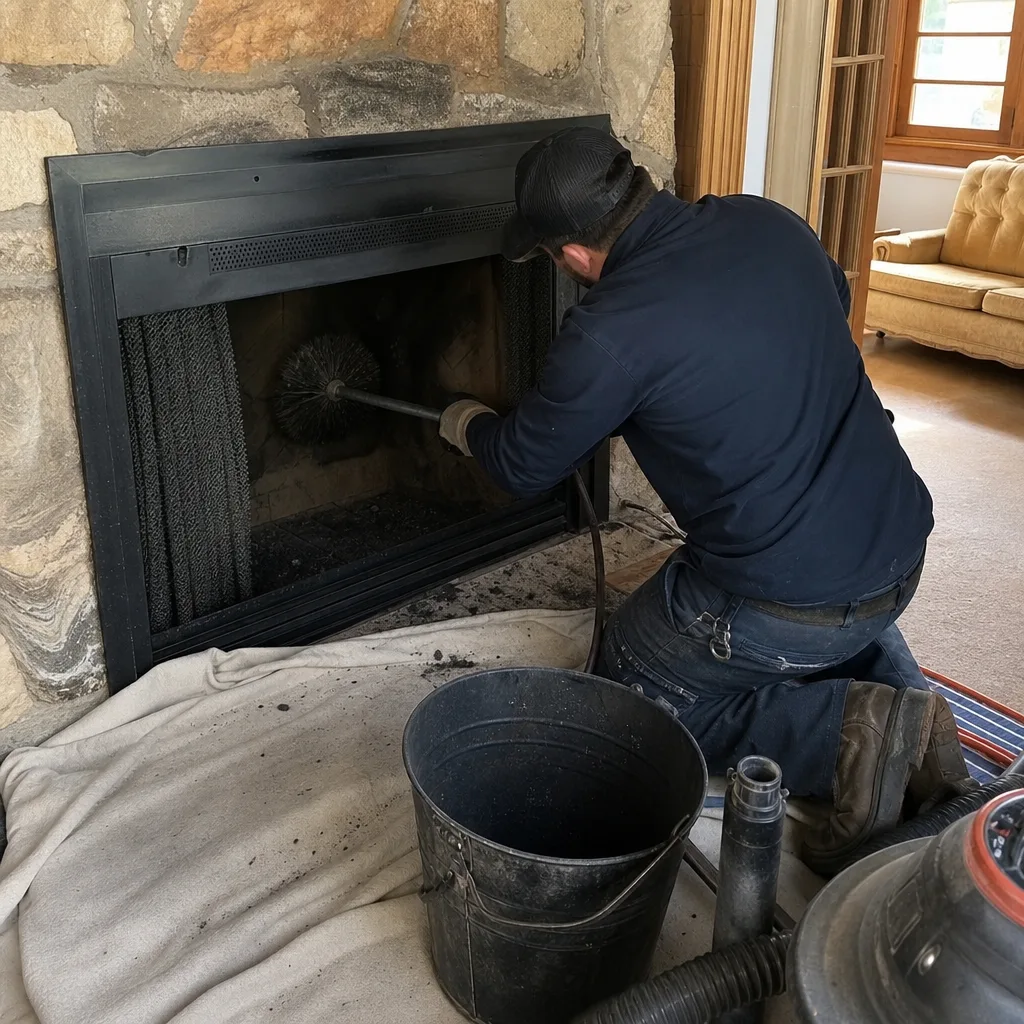
- Sweep the firebox floor and walls with a stiff-bristle brush. A shop vacuum with a HEPA filter works for fine dust if the ashes are fully cold.
- Inspect firebrick for cracks or spalling while cleaning. Note any damage for your next professional visit.
Frequency: After every 1-2 burns during heavy use season (November through March in Oakland), or weekly for daily fires.
Task 2: Exterior Cap and Crown Visual Check
This requires a ladder, binoculars, or a drone - never climb a roof you’re uncomfortable on.
- From ground level or a secure ladder position, examine the chimney cap for mesh integrity, rust, or displacement. Oakland’s coastal moisture accelerates corrosion on galvanized caps; stainless steel or copper caps last longer but still require inspection.
- Check the crown (the concrete or mortar top sealing the chimney) for cracks, vegetation growth, or pooling evidence. A cracked crown allows water into the masonry structure, and water is the primary cause of chimney deterioration in the Bay Area’s wet winters.
- Look for staining on exterior masonry below the crown - white efflorescence (salt deposits) or dark water streaks indicate moisture intrusion.
- Note animal activity: nesting materials, droppings, or damaged mesh suggest a cap that needs repair or replacement.
Frequency: Monthly during burning season, and after significant storms.
Task 3: Damper and Smoke Chamber Shelf Cleaning
This task requires reaching into the fireplace throat above the firebox. It’s awkward but not dangerous if approached methodically.
- Open the damper fully. Inspect the damper plate for creosote buildup that prevents complete closure - a stuck-open damper loses significant heated air when the fireplace isn’t in use.
- Using a long-handled brush or a chimney sweep’s “smoke chamber brush” (a specialized tool with angled bristles, available from Level Two Chimney Oakland home supply sources or hardware retailers), reach upward and sweep the smoke chamber walls and shelf.
- Collect debris with a vacuum or by hand. This area accumulates surprisingly large volumes of flaky creosote and fallen debris.
- Check for obstructions: bird nests, leaves, or structural fragments.
Frequency: Once per burning season, ideally before first use.
Tools we recommend for these tasks: a metal ash bucket with lid ($25-$40), a stiff firebox brush ($15-$25), a smoke chamber brush with extension handle ($30-$50), and a basic inspection mirror ($10-$20). Total investment under $150 for tools that last years.
The Documentation Gap: Why DIY Cleaning Creates a Financial Liability
This is where the DIY vs. professional question turns from a matter of capability to a matter of provability. The physical act of brushing a flue is within most homeowners’ ability. Producing documentation that third parties will accept is not.
What Documentation Means in Practice
When we say “documentation,” we mean:
- Photographic or video record of the flue interior, time-stamped and archived
- Written condition assessment identifying creosote stage, liner integrity, and structural observations
- Written scope of work performed, with before-and-after verification where cleaning was done
- Written warranty or guarantee of the work performed
A DIY cleaning produces none of this. The homeowner has no timestamped evidence of flue condition, no professional assessment of whether the cleaning was sufficient, and no recourse if a problem develops later.
When the Gap Becomes Expensive
Three scenarios make the documentation gap a concrete financial problem for Oakland homeowners:
Home sale transactions: Oakland’s real estate market moves fast, but buyers and their inspectors are increasingly sophisticated. A home inspector who finds creosote staining, a damaged liner, or simply no recent professional service record will flag the chimney for further evaluation. That flag delays closing, triggers renegotiation, or kills the deal. A documented Level 2 inspection from the past 12 months eliminates that uncertainty.
Insurance claims after chimney fire: If a chimney fire occurs and the homeowner submits a claim, the insurer will request service records. “I cleaned it myself” provides no documentation of flue condition before the fire. Some insurers now explicitly require professional inspection documentation for chimney-related claims, particularly in high-fire-risk zones like the Oakland Hills.
Warranty and liability disputes: If a new liner or repair fails prematurely, the manufacturer or contractor will request installation and maintenance records. DIY cleaning voids some liner warranties outright, as manufacturers specify professional service intervals.
Clause 4 of the Haven Standard, which we’ve followed since 2009, requires a documented photo record on every job specifically because these scenarios are predictable. We’ve completed more than 38,000 chimney inspections and cleanings, and the archive of documentation has resolved disputes, accelerated home sales, and satisfied insurer requests dozens of times.
Oakland’s Wildlife Addendum: Chimney Swifts and Federal Protections
Oakland homeowners face a DIY complication that doesn’t appear in generic chimney guides: federally protected wildlife.
The chimney swift (Chaetura pelagica) is a small, cigar-shaped bird that nests inside chimneys - not on ledges like swallows, but clinging to interior chimney walls. Their population has declined sharply, and they are protected under the Migratory Bird Treaty Act. Disturbing an active nest, eggs, or young birds carries federal penalties: fines up to $15,000 per violation and potential imprisonment.
Chimney swifts arrive in the Bay Area in late March and depart by early November. An active nest contains a half-cup-shaped structure of twigs glued to the chimney wall with saliva, often with audible chirping young. A homeowner who begins a DIY cleaning in May, hears chirping, and continues anyway has committed a federal violation.
Professional sweeps are trained to identify active nests and are required to halt work and schedule around nesting season. We encounter this annually in Oakland neighborhoods near parks and green corridors - Montclair, Redwood Heights, and the hills above Piedmont are particularly active. A DIY cleaner lacks this training and the legal protection of documented professional judgment.
Beyond swifts, Oakland chimneys host raccoons, squirrels, and occasionally barn owls. A homeowner who encounters a raccoon with young in a smoke chamber is in a dangerous situation - mother raccoons are aggressive, and the confined space of a fireplace throat offers no escape route. Professional technicians carry exclusion equipment and have protocols for wildlife encounters.
The Break-Even Math: Professional Cleaning Cost vs. Repair Cost in Oakland
Homeowners considering DIY cleaning often frame the decision as saving the cost of professional service. The more accurate frame is comparing professional cleaning cost against the cost of repairs that documented inspection would have prevented.
Annual Professional Cleaning Cost in Oakland
Based on our pricing and market observation of competitors (though we don’t quote others’ rates), professional chimney cleaning with Level 2 inspection in Oakland typically ranges:
| Service | Price Range |
|---|---|
| Standard sweep with Level 1 visual inspection | $150-$250 |
| Sweep with NFPA 211 Level 2 camera inspection | $250-$400 |
| Glazed creosote removal (chemical + mechanical) | $400-$700 |
| Chimney cap replacement (stainless steel) | $300-$600 installed |
Level Two Chimney Oakland provides written pricing before any work begins - Clause 1 of the Haven Standard. No estimate surprises, no upsell after arrival.
Repair Costs When Inspection Is Skipped
These are repairs we perform regularly that camera inspection would have caught at earlier, less expensive stages:
- Cracked flue tile repair: Early stage - stainless steel liner insert, $2,000-$4,000. Late stage - chimney fire damage requiring rebuild, $8,000-$15,000.
- Crown deterioration: Early stage - crown seal or minor rebuild, $400-$800. Late stage - water intrusion causing structural spalling throughout chimney, $3,000-$7,000.
- Smoke chamber parging failure: Early stage - HeatShield cerfractory resurfacing, $1,200-$2,500. Late stage - fire hazard requiring chamber rebuild, $4,000+.
The break-even calculation: one missed cracked tile that progresses to a liner failure costs 6-10 times the annual professional inspection that would have caught it. In Oakland’s climate, where winter rain accelerates masonry damage once water intrusion begins, the progression from early to late stage often occurs within 2-3 skipped seasons.
Materials matter in this math. We source liners and repair materials through our buying network from Olympia Chimney, Famco, and Copperfield specifically to keep customer prices honest - not to chase the lowest bid, but to match the right material to the condition we documented.
What Professional Chimney Cleaning Actually Includes in Oakland
Understanding what professional service includes helps homeowners evaluate whether their DIY efforts are equivalent or incomplete.
The Level Two Chimney Oakland Process
Our service follows the Haven Standard, developed and refined since 2009:
- Pre-arrival documentation: A written price, written scope, and written warranty delivered before scheduling - Clause 1, H.A.V.E.N. “Have it in writing.” The customer knows the exact cost before anyone enters the home.
- Verified technician arrival: Background-checked, uniformed technician, license information provided, text notification when en route - H.A.V.E.N. “Arrive on schedule” and “Verified crews.”
- Exterior inspection: Crown, cap, flashing, and masonry condition documented with photos.
- Interior setup: Protective coverings, HEPA vacuum for soot control, inspection lighting.
- Camera-scan inspection: NFPA 211 Level 2 standard - a high-resolution camera sent the full length of the flue, with the customer viewing the feed in real time if present. We document liner condition, joint integrity, creosote stage and distribution, and any obstructions or structural anomalies.
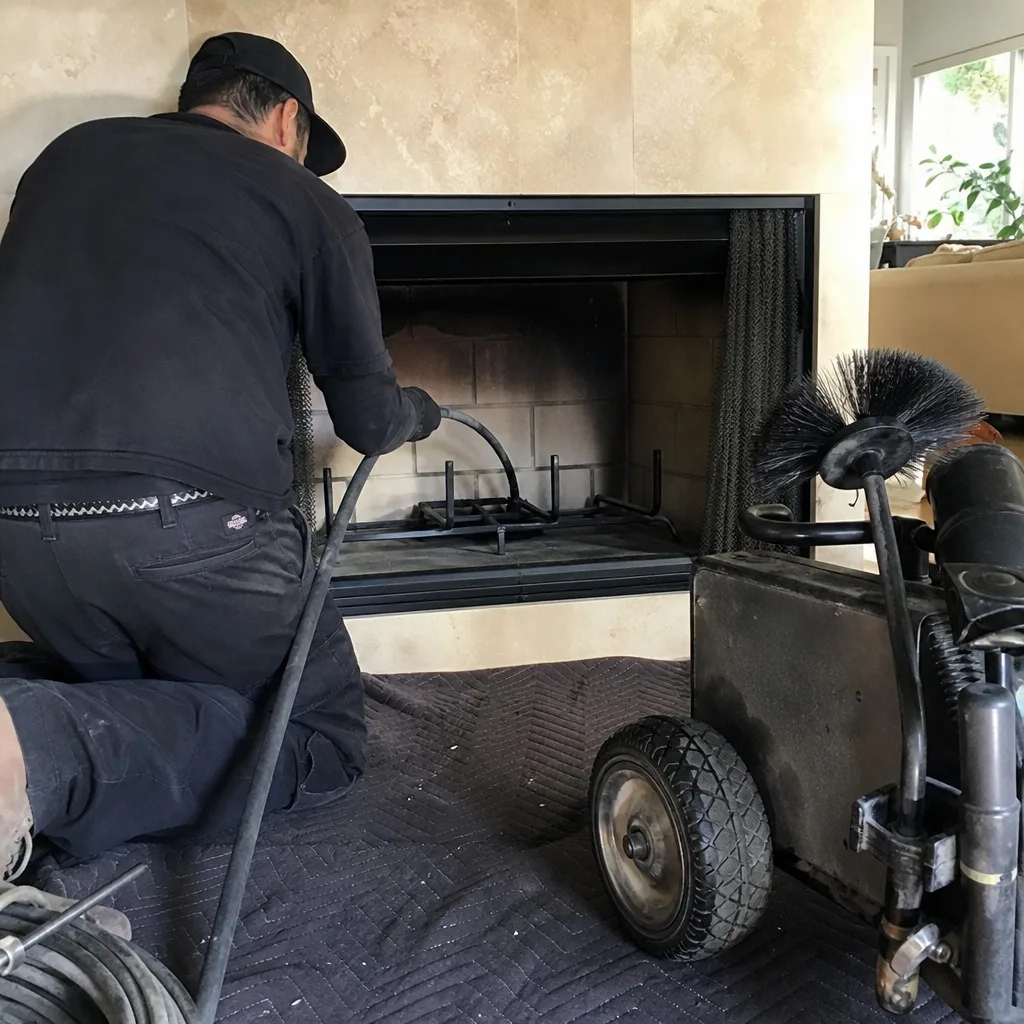
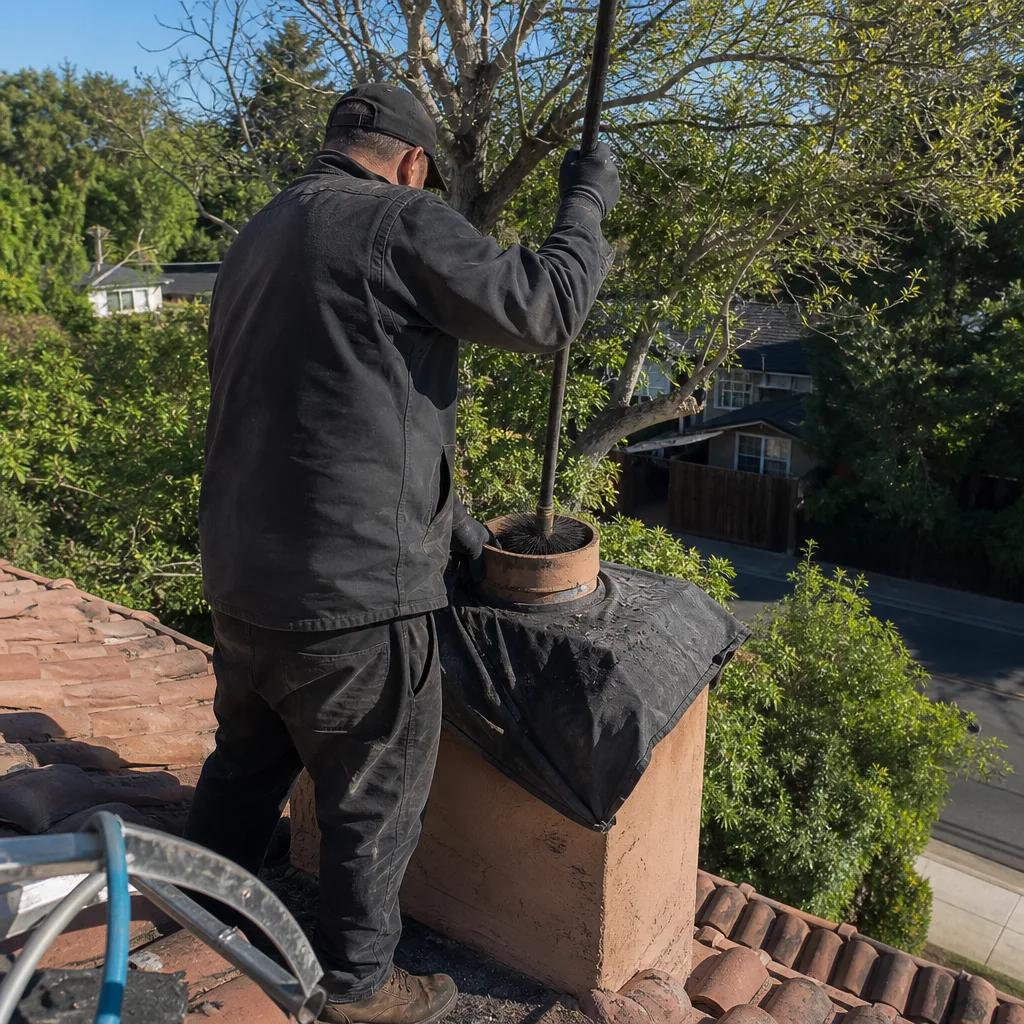
- Mechanical cleaning: Appropriate tools for the creosote stage found - rotary cleaning for Stage 1-2, mechanical plus chemical treatment for Stage 3 glazed deposits.
- Smoke chamber and firebox cleaning: Hand tools for corners and angles the flue brush cannot reach.
- Post-cleaning verification: Second camera pass to confirm cleaning completeness and document final condition.
- Delivered documentation: Photo record, written condition report, and warranty documentation - Clause 4 of the Haven Standard. This archive is maintained for customer access and can be provided to insurers, buyers, or inspectors on request.
- 365-Day Done Right Promise: If any aspect of the work is not correct, we return and make it right at no charge.
The Chimney Cleaning & Sweep in Oakland service page details current pricing and scheduling. For repairs beyond cleaning, our Chimney Repair in Oakland and Fireplace Services in Oakland pages describe the full scope of structural and functional restoration.
What This Produces That DIY Cannot
The output is a documented, warrantied, transferable record of chimney condition and service. A homeowner cannot replicate this with consumer equipment. Consumer-grade inspection cameras lack the resolution, lighting, and articulation of professional chimney cameras. They cannot navigate flue offsets, cannot document in formats insurers accept, and come with no professional interpretation of what the image shows.
Common Mistakes to Avoid
- Assuming a clean firebox means a clean flue. The firebox is the visible 10% of the chimney system. Creosote concentration is often highest in the upper flue, where temperatures are coolest and condensation greatest. Oakland’s marine layer and hillside temperature inversions make this pattern more pronounced.
- Using a brush kit on a damaged liner. If flue tiles are cracked or a stainless liner has separated, brush bristles can snag and worsen damage. Without camera inspection, you cannot know liner condition before brushing.
- Cleaning during nesting season without wildlife checks. March through October in Oakland requires chimney swift awareness. A DIY cleaner who doesn’t inspect for nests before starting risks federal violation and potential animal injury.
- Burning chemical creosote removers as a substitute for mechanical cleaning. These products modify creosote chemistry but do not remove material. Used improperly, they can create flammable runoff or corrosive residues that damage metal liners.
- Ignoring the smoke chamber. This area contributes to chimney fires at rates disproportionate to its size. A brush kit doesn’t reach it; hand tools and visual inspection are required.
- Skipping the exterior inspection. Oakland’s combination of winter rain and summer dryness creates thermal expansion stress on crowns and caps. A flue can be perfectly clean while the chimney exterior is failing and admitting water.
- Documenting nothing. Even homeowners who clean thoroughly have no proof for insurers, buyers, or warranty claims. Photograph your work, date it, and store it - or accept that your effort has no third-party value.
When to Call a Professional
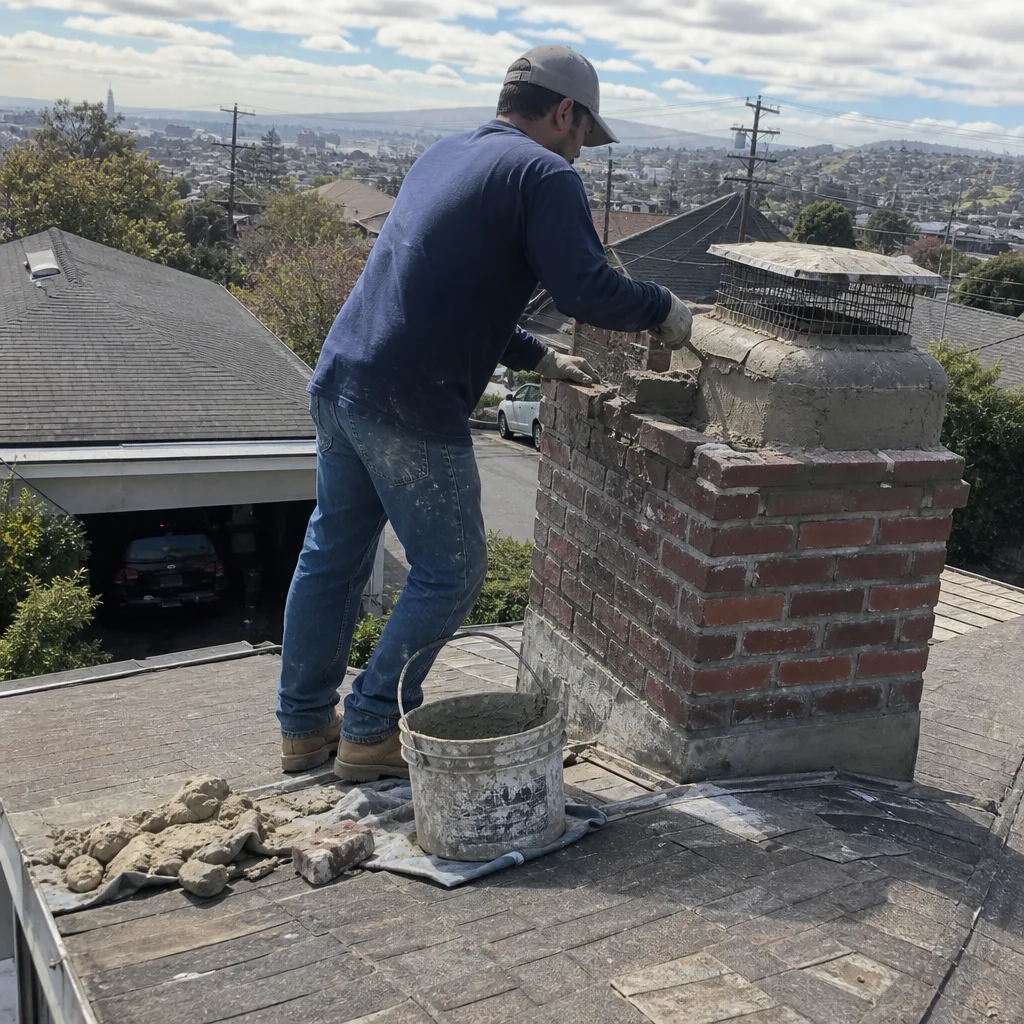
Call a professional sweep immediately if you notice: smoke backing up into the room during normal burning; a strong, acrid odor from the fireplace in warm weather (indicating heavy creosote deposits); visible cracks in firebrick or flue tiles; white or dark staining on exterior masonry; animal sounds or nesting materials; or if it has been more than 12 months since your last professional service. In Oakland’s Hills and Diamond District neighborhoods, where older masonry and tighter construction create unique draft challenges, annual professional inspection is the minimum prudent interval.
For How to Hire a Chimney Cleaning Contractor in Oakland: A Step-by-Step Guide, Level Two Chimney Oakland offers free estimates throughout Oakland - call (628) 300-1701. We also provide free second opinions on any competitor’s written estimate, a service that has saved Oakland homeowners from unnecessary repairs on dozens of occasions.
Frequently Asked Questions
Professional chimney cleaning with NFPA 211 Level 2 camera inspection in Oakland typically ranges from $250 to $400, depending on chimney height, accessibility, and creosote condition. Standard sweep with visual inspection runs lower; glazed creosote removal requiring chemical treatment runs higher. Level Two Chimney Oakland delivers a written price before any work begins - no estimate surprises. Call (628) 300-1701 for an exact quote; estimates are free.
You can safely clean your firebox, remove ashes, and maintain your smoke chamber shelf between professional visits. However, a brush kit cannot remove glazed Stage 3 creosote, cannot inspect flue liner condition, and cannot produce the documentation that insurers and home buyers now require. For the flue itself, professional cleaning with camera verification is the safer choice. Find more guides & resources on our blog. Call (628) 300-1701 for an exact quote - estimates are free.
The NFPA 211 standard recommends annual inspection for all chimneys, with cleaning frequency determined by creosote accumulation rather than calendar. In Oakland’s climate, where cool marine air and hillside temperature inversions reduce draft efficiency, most wood-burning chimneys require annual cleaning. Gas fireplaces need less frequent mechanical cleaning but still require annual inspection of liners, connections, and venting. Call (628) 300-1701 to schedule; estimates are free.
Clay flue tiles that are intact, properly aligned, and free of creosote buildup can continue in service. The question is provability: without camera inspection, you cannot confirm these conditions. We frequently find cracked or shifted tiles in Oakland’s older housing stock that appeared functional from the firebox view. A Level 2 camera inspection provides the documentation to answer this question with evidence rather than assumption. Call (628) 300-1701 for an exact quote - estimates are free.
Skipped cleaning allows creosote accumulation to progress from manageable Stage 1 to hazardous Stage 3, increases chimney fire risk, and permits minor liner damage to progress to major structural failure. In Oakland’s competitive real estate market, lack of recent professional service documentation also creates transaction friction and potential renegotiation. The financial cost of one prevented repair typically exceeds a decade of professional cleaning. Call (628) 300-1701 for an exact quote - estimates are free.
Yes. Chimney swifts are protected under the Migratory Bird Treaty Act, and disturbing an active nest carries federal penalties up to $15,000 per violation. In Oakland, active nesting occurs March through October, particularly near parks and green corridors. Professional sweeps are trained to identify nests and halt work; DIY cleaners lack this protection. If you hear chirping or see nest material during inspection, stop immediately and contact a professional. Call (628) 300-1701 for guidance - estimates are free.
The Bottom Line
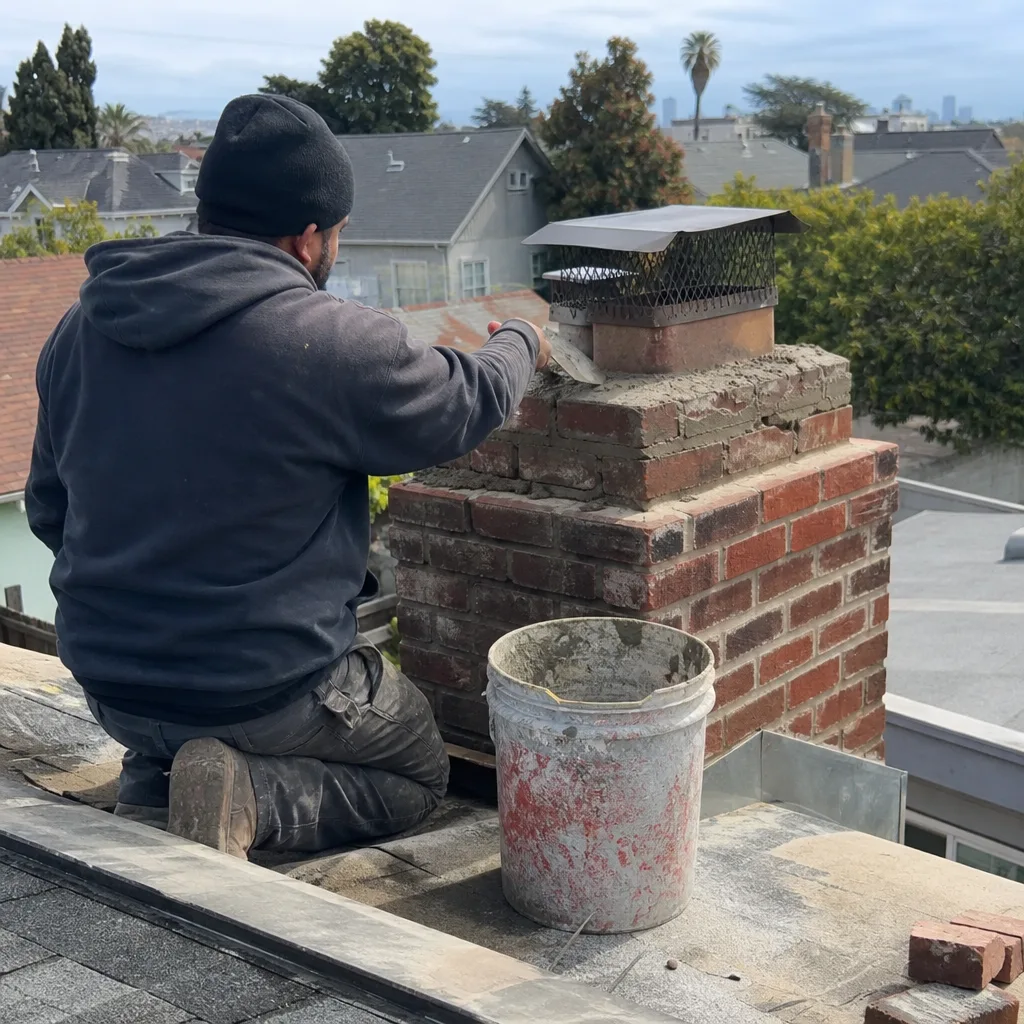
The DIY vs. professional question for Oakland chimney cleaning resolves to this: homeowners can handle surface maintenance, but they cannot produce the documentation that modern homeownership requires. A brush kit cleans what it touches, misses what it doesn’t, and verifies nothing. Professional service with NFPA 211 Level 2 camera inspection costs less than one repair caught early, satisfies insurer and buyer requirements, and complies with wildlife protections that DIY cleaning ignores. For the firebox and ash removal, DIY saves money. For the flue, the smoke chamber, and the documentation record, professional service protects more than it costs.
Level Two Chimney Oakland has operated under the Haven Standard since 2009, completing more than 38,000 chimney inspections and cleanings with written prices before work starts and documented photo records on completion. The 365-Day Done Right Promise, free second opinions on written estimates, and live phone support 24 hours a day are standard on every job.
Written by Corrine Halstead, Owner at Level Two Chimney Oakland, serving Oakland since 2009.