
Level 1 sweep and inspection to the NFPA 211 annual standard - flue, crown, cap, and flashing checked and photographed
Chimney sweep logs do not sweep chimneys. They loosen some creosote - which then falls where a brush and vacuum still have to collect it.
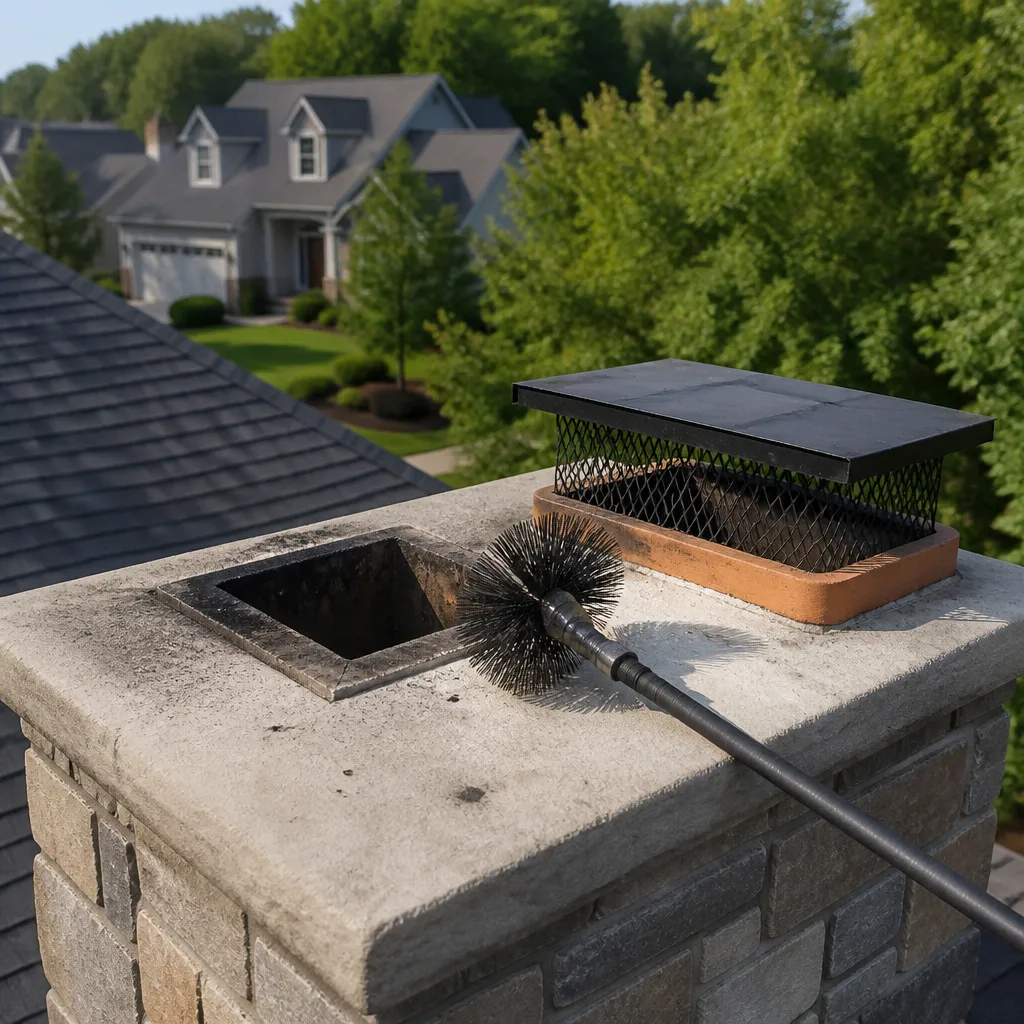
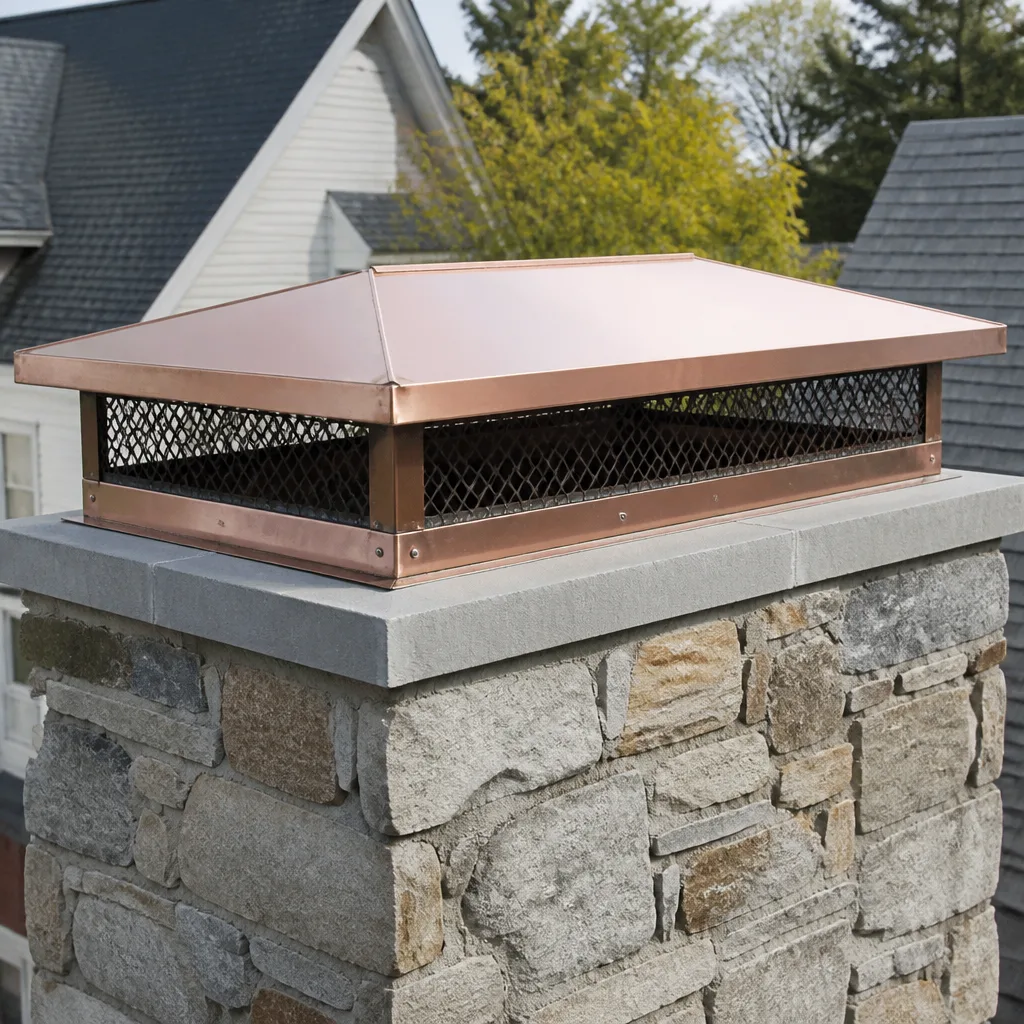
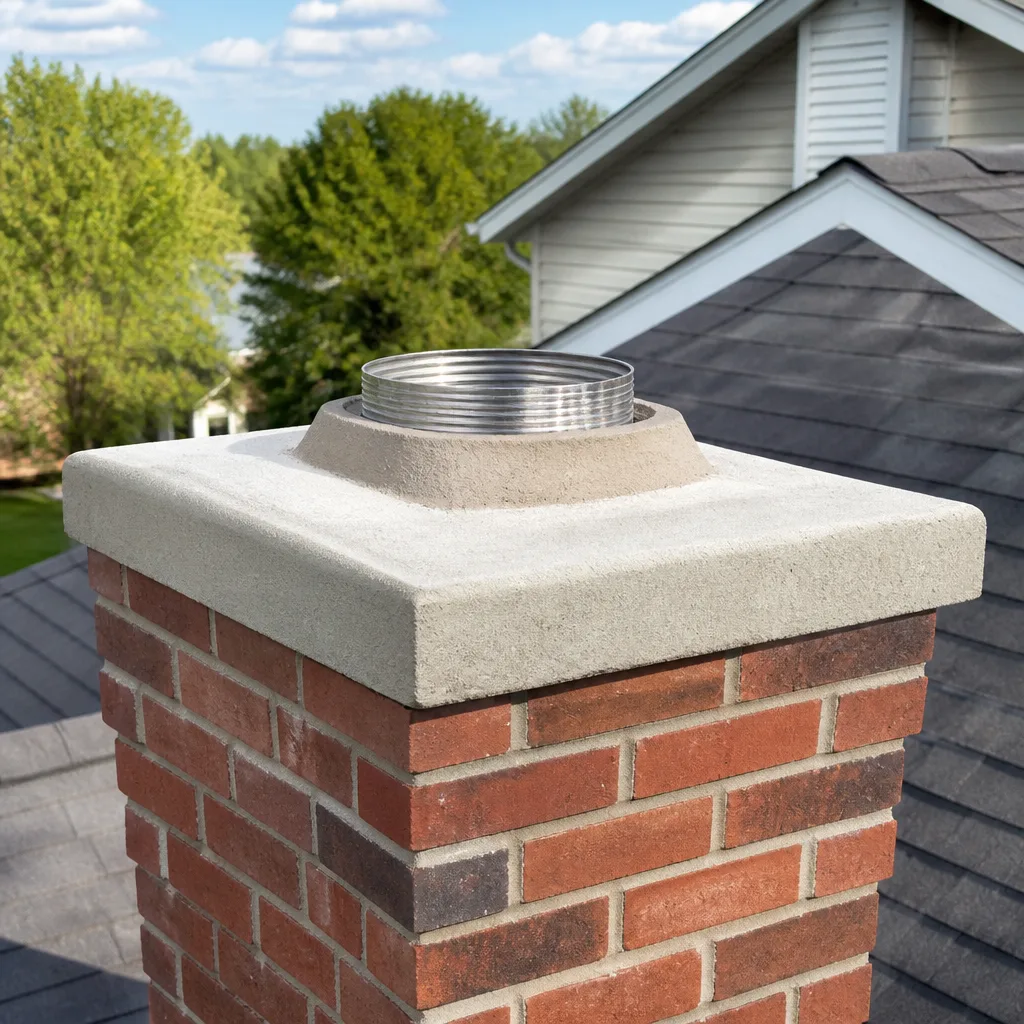
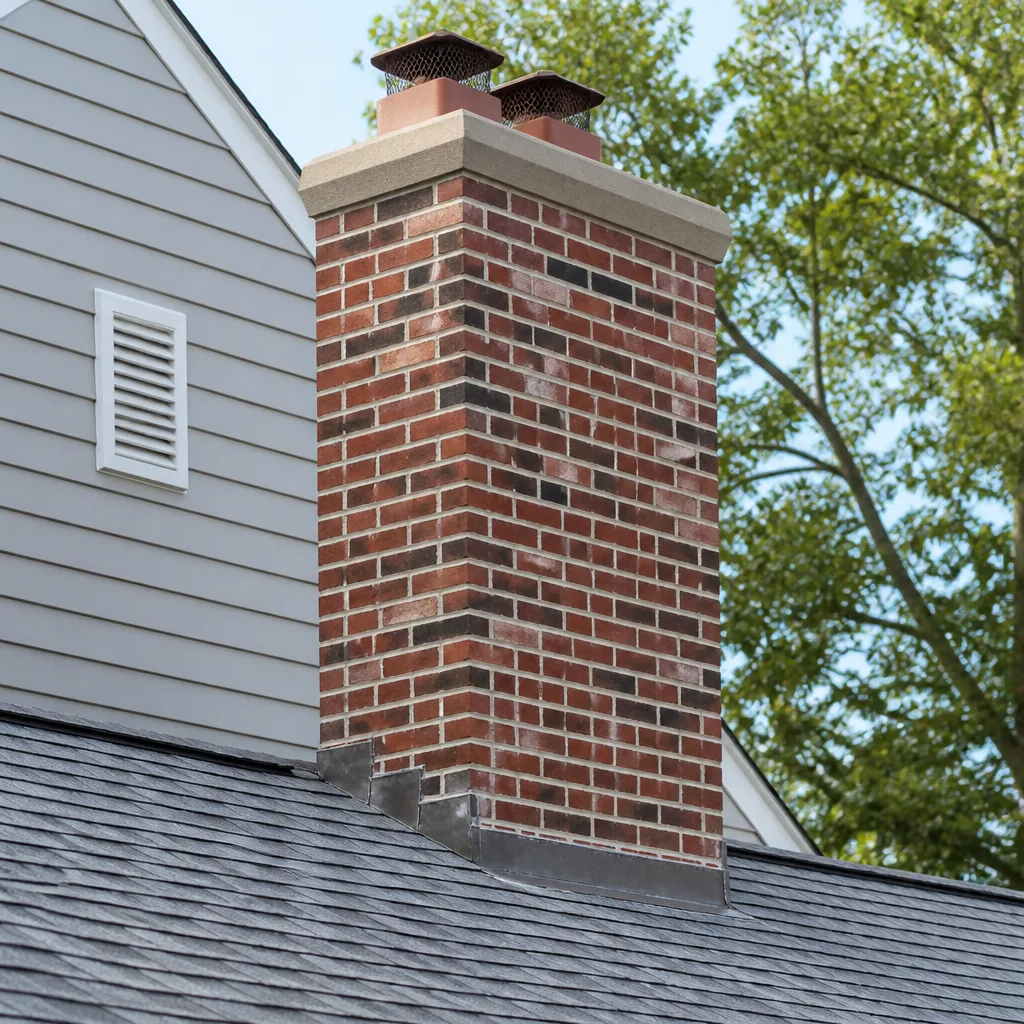
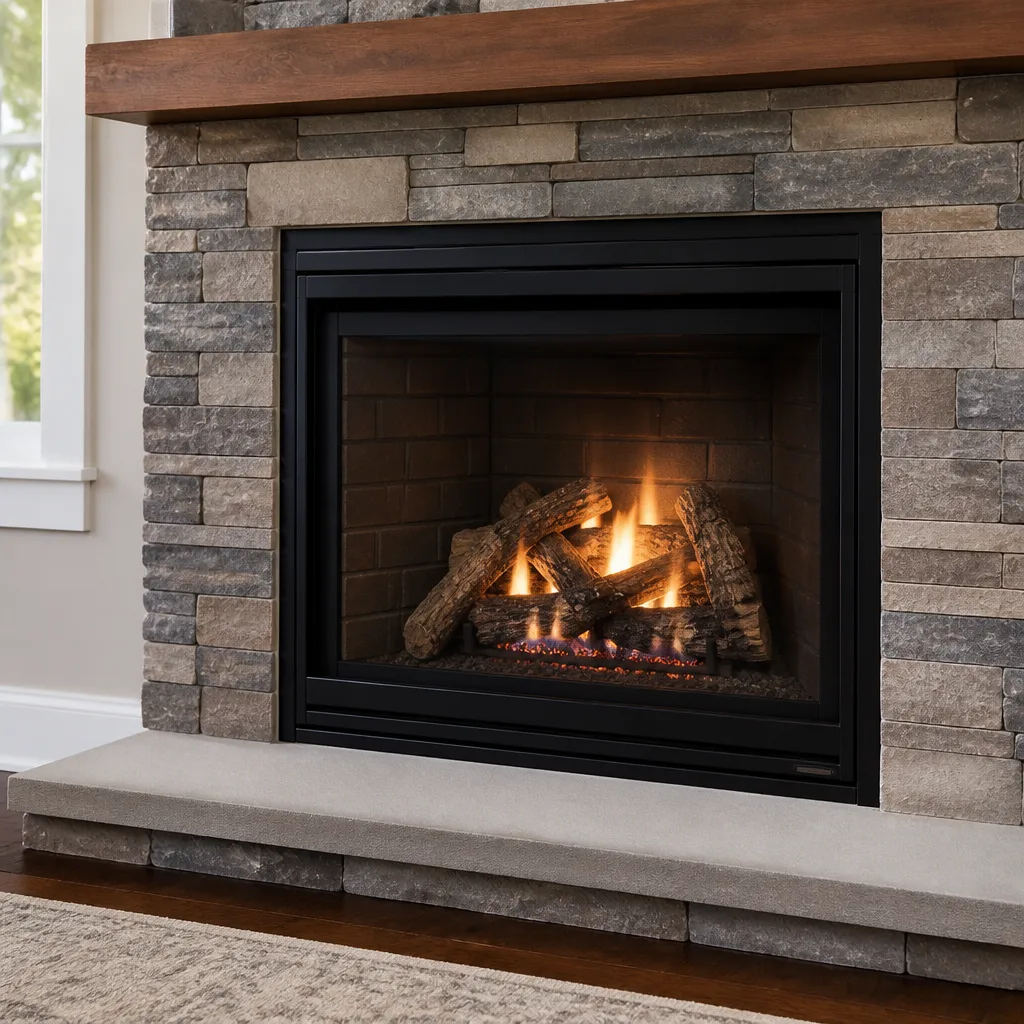
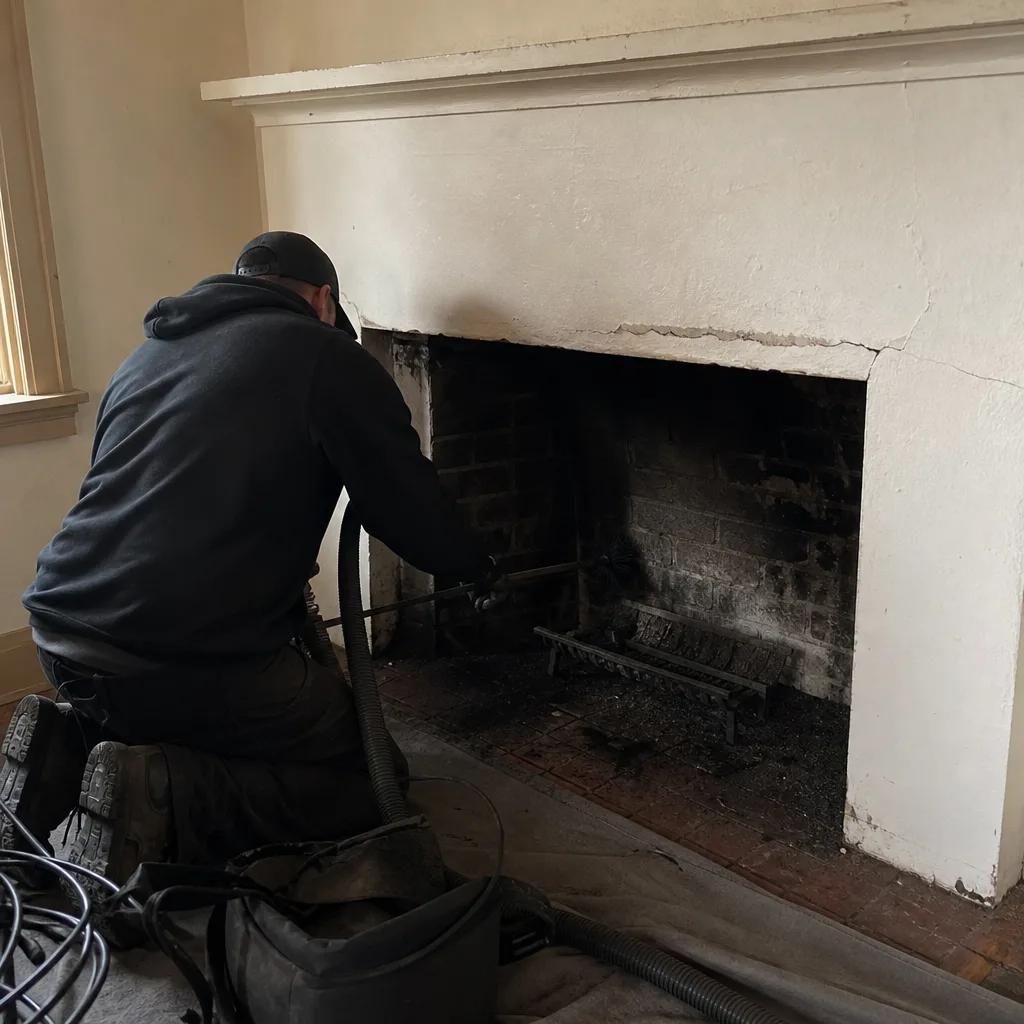 Before
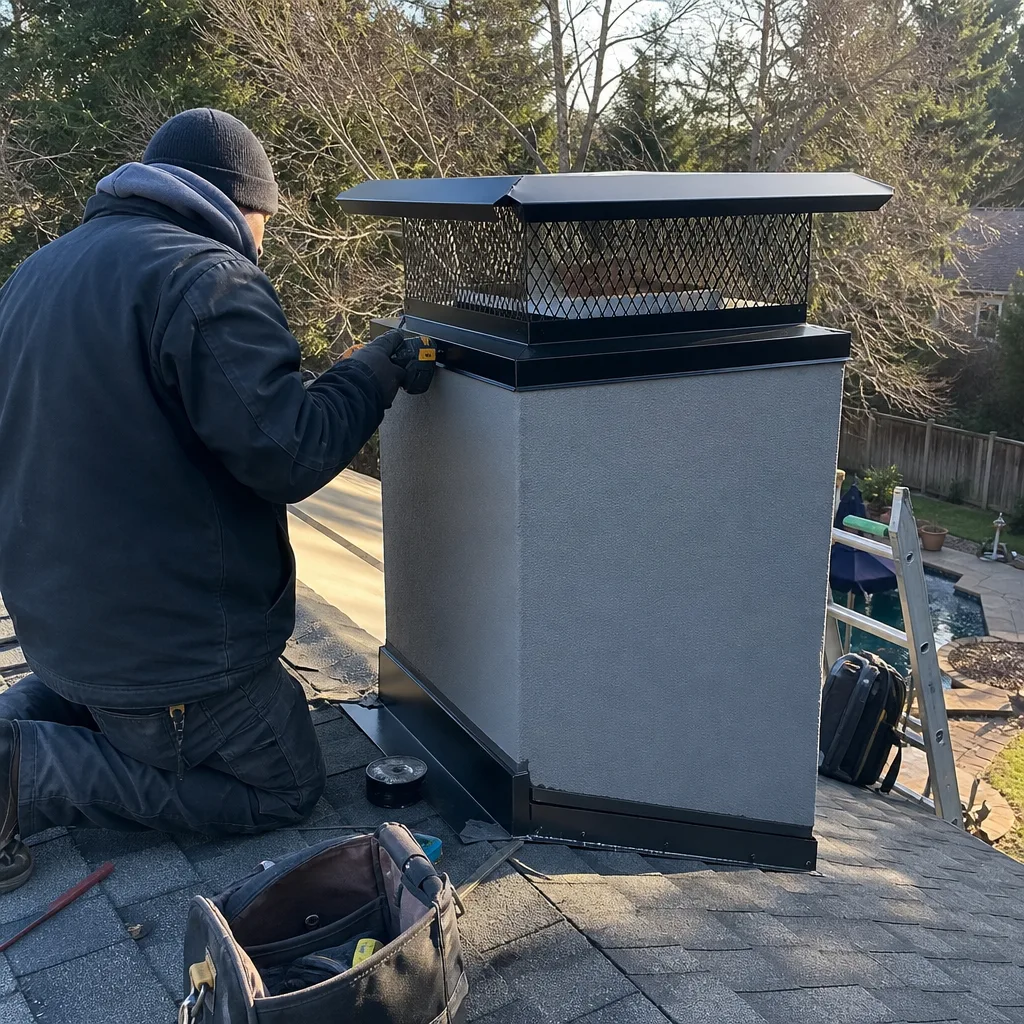 After
After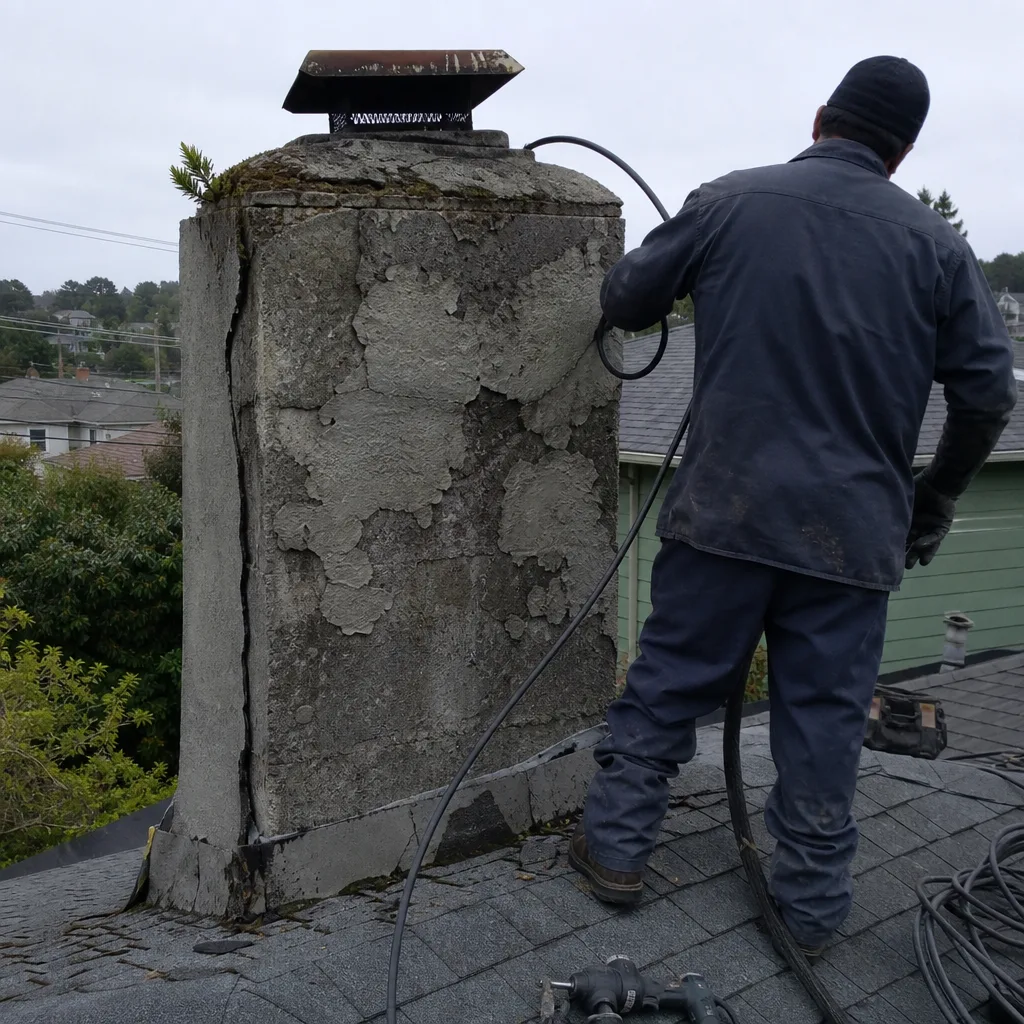 Before
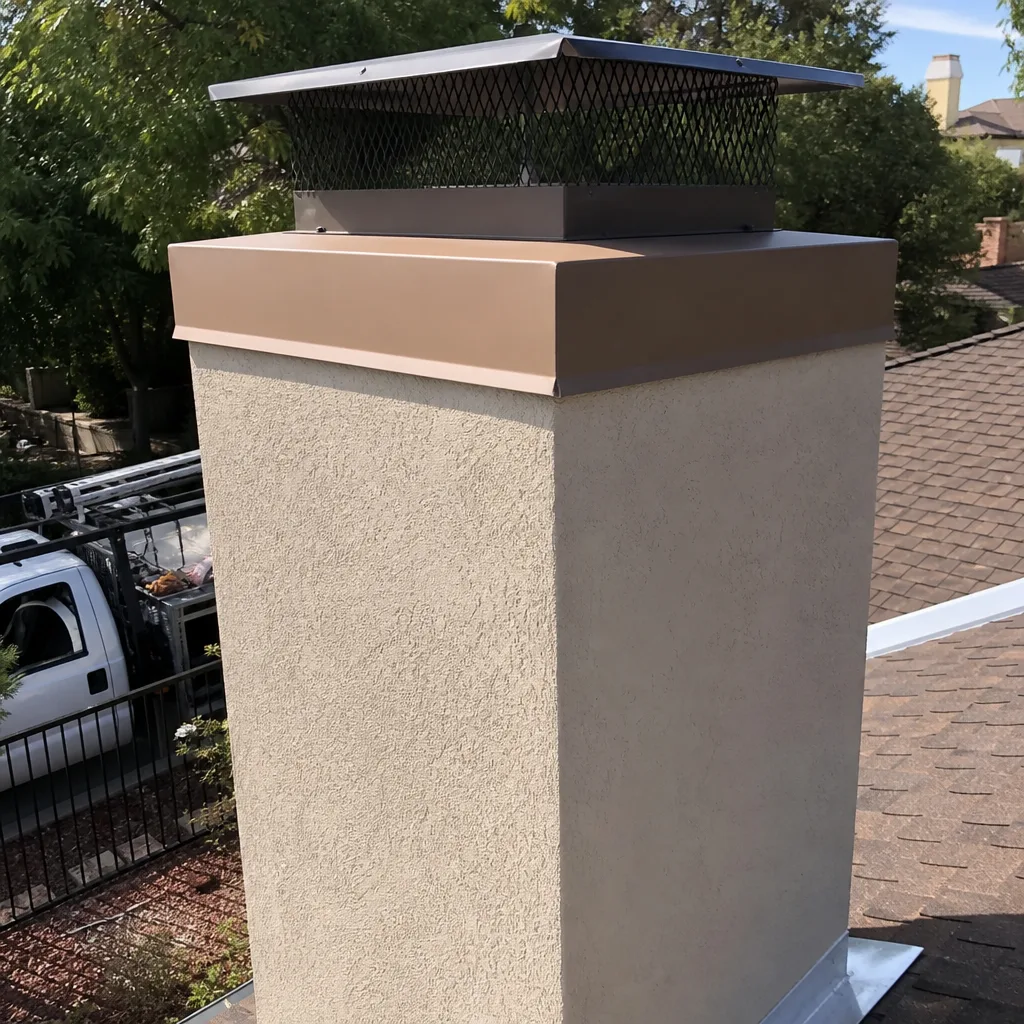 After
After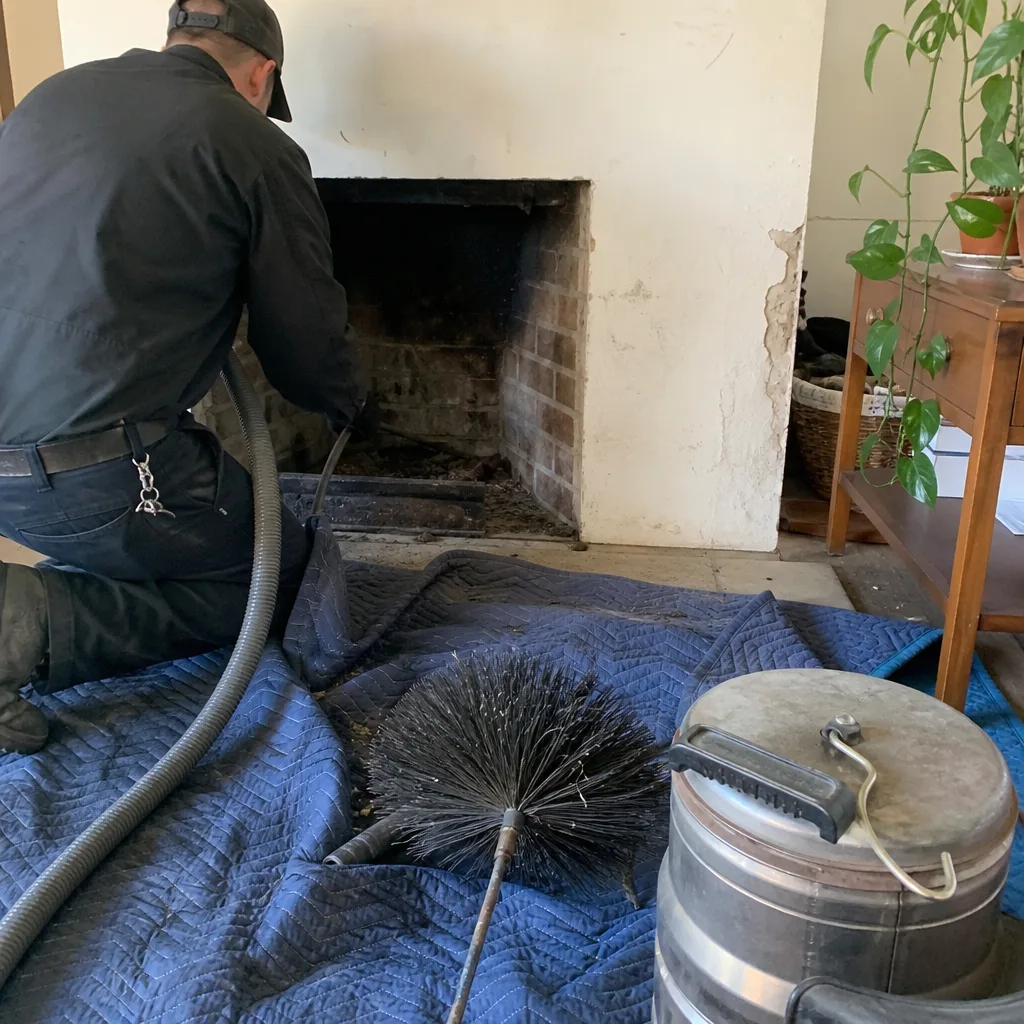 Before
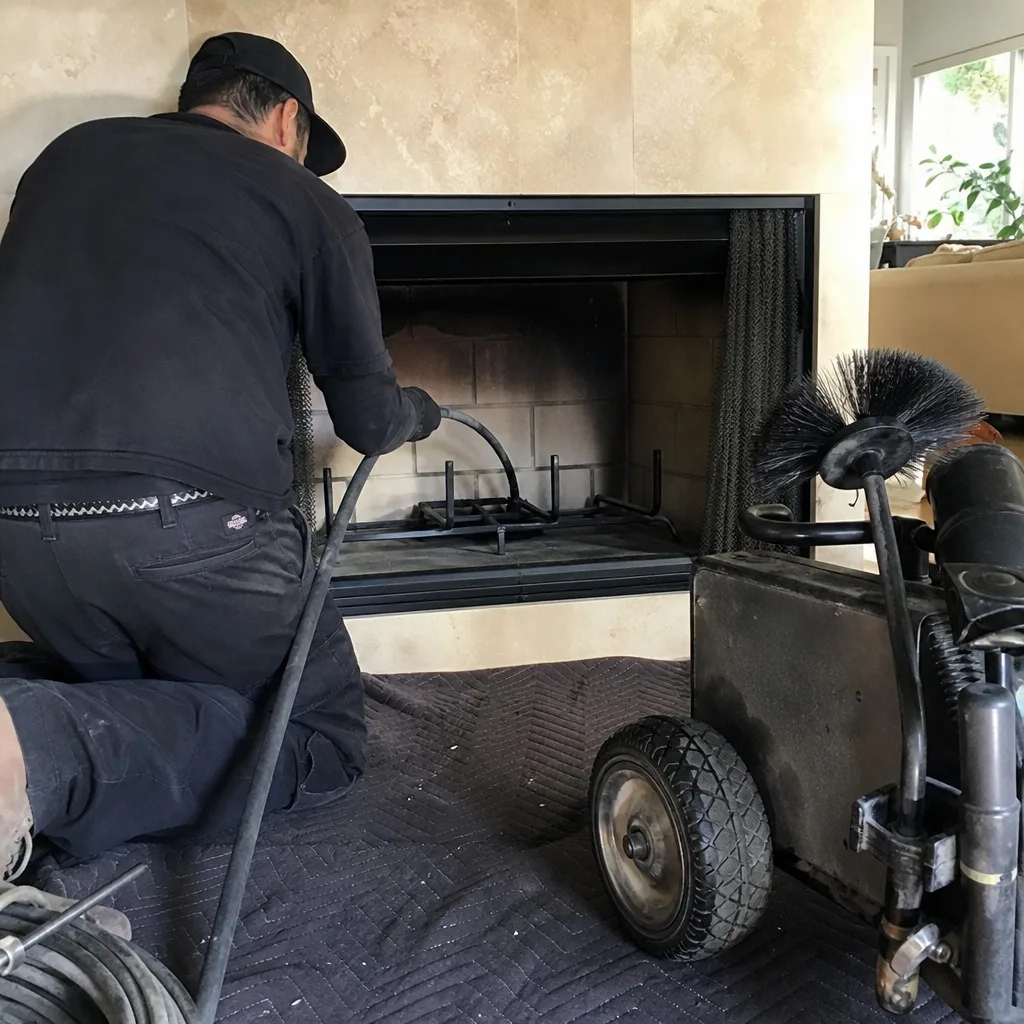 After
AfterCreosote Removal in Oakland, CA
Creosote removal in Oakland typically runs $180 to $650, depending on how much has built up and which class it’s reached. Most single-flue cleanings with light-to-moderate buildup are done the same day, with a written price delivered before any work starts. If you’re burning wood regularly in Oakland’s cooler East Bay winters, creosote is accumulating whether or not you can see it – and the three classes of buildup are not equally forgiving.
At Level Two Chimney Oakland, we’ve worked through more than 38,000 Chimney Cleaning & Sweep services and inspections since 2009, every one of them priced in writing before we picked up a brush. Creosote is the main thing we’re looking for on every sweep, and our technicians are trained to identify it by class, document it with camera footage, and explain what that means in plain terms before recommending any work. You can reach us directly at (628) 300-1701 – a live person answers around the clock.
This page is part of our full Chimney Cleaning & Sweep in Oakland service. If you want to understand what we do beyond creosote – smoke chamber cleaning, liner inspection, cap and crown checks – that’s where to start.
What Creosote Is and Why It Matters in Oakland
Creosote is a byproduct of incomplete combustion. When wood burns and the smoke rises through the flue, unburned hydrocarbons condense on the cooler liner walls and solidify into a dark, carbon-rich deposit. The faster that condensation happens – cooler liner, green or wet wood, restricted airflow – the more aggressive the buildup.
Oakland’s climate creates specific conditions that accelerate creosote accumulation. Fog rolling in off the Bay drops overnight temperatures into the 40s for months at a stretch, which means fireplaces in Rockridge, Montclair, and the Dimond District are running more hours per season than many homeowners assume when they estimate their creosote risk. A liner that hasn’t warmed up before you add wood, combined with the fog-damp firewood sitting on a back porch, is a reliable recipe for Class II buildup that may need Fireplace Cleaning.
The National Fire Protection Association classifies creosote in three stages:
- Class I (Dusty/Flaky): Light, sooty deposits. Removed with standard rotary brushing during a routine sweep.
- Class II (Tar-Like): Harder, shiny, or porous buildup that requires chemical treatment or specialized rotary tools with more aggressive heads. Harder to remove and more flammable than Class I.
- Class III (Glazed): Dense, highly combustible, glassy deposits – the stage where a chimney fire becomes a serious structural threat. Removal requires chemical poultice treatment, mechanical chipping, or in some cases a full liner evaluation before the flue is safe to use. This is not a DIY situation, and it’s not a “clean it harder” situation either.
A chimney fire fueled by Class III creosote burns at temperatures above 2,000 degrees Fahrenheit. That’s enough to crack terra cotta liners, compromise mortar joints in the smoke chamber, and in worst cases push through to framing. In Oakland’s older housing stock – craftsman bungalows in Temescal, multi-story Victorians in Grand Lake – the clearances between flue and framing are sometimes tighter than current code allows. That’s not an abstraction; it’s something our camera finds on a regular basis.
When You Need Creosote Removal
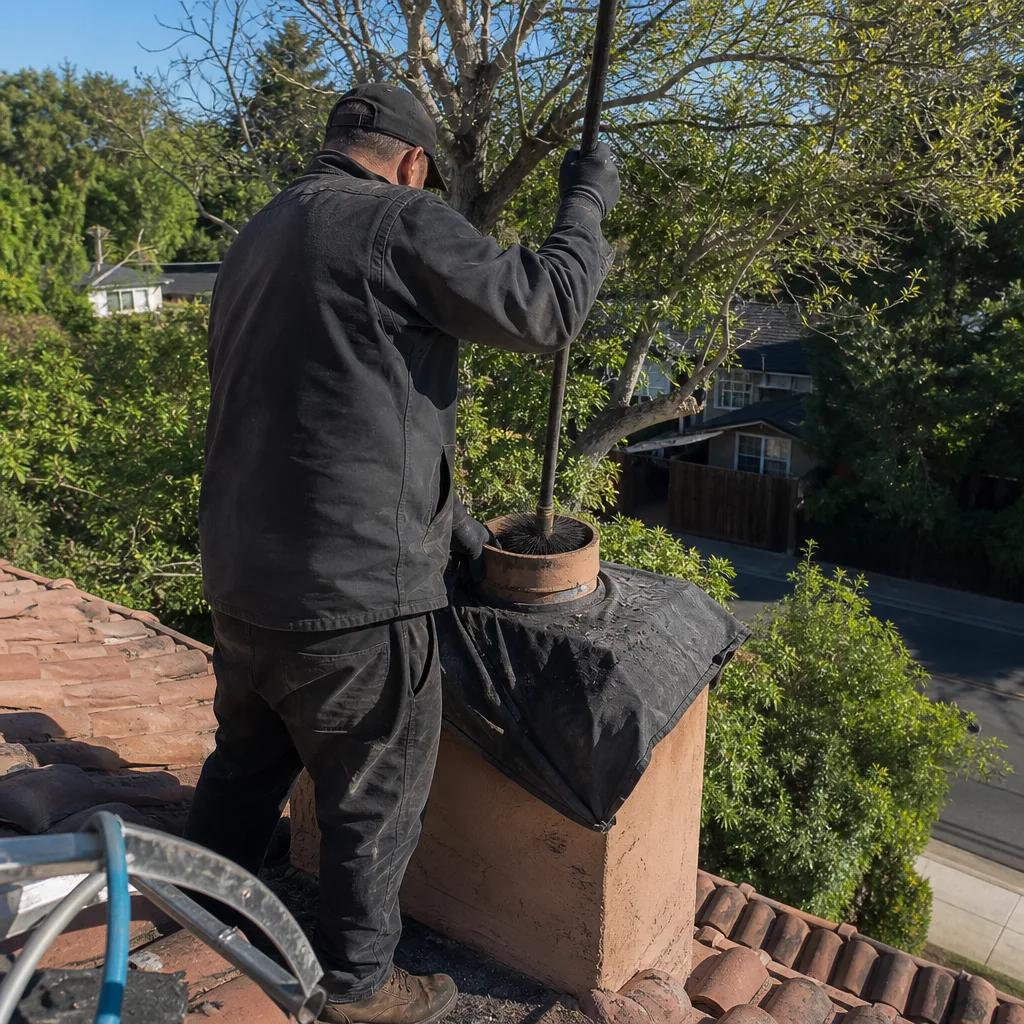
- You’ve burned more than a cord of wood this season without a sweep. One cord is a reasonable benchmark. Oakland winters are mild enough that some homeowners stretch a season without cleaning – but creosote doesn’t wait for a convenient schedule.
- You can smell something acrid or oily when the fireplace isn’t in use. That smell is often Class II or III creosote off-gassing through small liner cracks or around the damper. In Laurel and Fruitvale homes with older unlined flues, it migrates into living spaces faster than you’d expect.
- You’ve noticed reduced draft – smoke backing up into the room. Heavy creosote deposits narrow the flue passage and disrupt airflow. The fireplace smokes into the room not because of how you’re building the fire, but because the effective diameter of the flue has shrunk.
- Your last inspection wasn’t camera-documented. A flashlight look from the firebox or the cap does not identify Class II or III buildup on the upper flue walls or at the smoke chamber throat. If you have a written inspection report but no camera footage, you don’t actually know what class of creosote is present.
- You heard or felt a “roaring” sound during a fire. That sensation – a sudden increase in draw and temperature – is often a small chimney fire burning off a pocket of creosote. Even if the fire self-extinguished, the liner and mortar joints need to be evaluated before the fireplace is used again.
- You’re buying or selling a home in Oakland with an active fireplace. Lenders and home insurers are increasingly asking for Level 2 inspection documentation. A creosote finding during a sale inspection is a negotiating point. Knowing the class before the sale – and having it cleared – removes that variable entirely.
 Before
 After
AfterOur Creosote Removal Process
- Camera Scan and Written Assessment Before Any Work. Before a brush goes in, we run a camera down the flue – the same NFPA 211 Level 2 scan that is the standard on every job we do. We document what class of creosote is present, where the deposits are concentrated, and whether there are any liner defects underneath the buildup. You get a written price and written scope before we start. That’s Haven Standard Clause 1, and it’s not optional.
- Firebox and Surround Protection. We cover the firebox opening, hearth, and surrounding floor before any cleaning begins. Creosote dust and flakes are fine, dark, and stubborn on light-colored tile or hardwood – containment at the start is faster than cleanup after.
- Class-Appropriate Mechanical Removal. For Class I deposits, standard rotary brushing with professional-grade equipment removes the buildup from the flue walls, smoke shelf, and smoke chamber. For Class II deposits, we use chemical treatment applied to the deposits to convert the tar-like material to a more friable state, followed by rotary mechanical removal. The chemical treatments we source through our supply network – including products carried by Copperfield and Gelco – are specifically formulated for residential flue liners, not the hardware-store variations.
- Class III Protocol: Chemical Poultice Treatment. Glazed Class III creosote requires a poultice-based treatment – a thick chemical paste applied directly to the deposits and left to penetrate over 24 to 72 hours, depending on deposit thickness. This is a two-visit process: we return to remove the treated material, then re-scan the liner. If the liner has been damaged by the heat that produced the Class III buildup in the first place, that’s documented in the second camera scan and quoted separately in writing before any repair work proceeds. We do not bundle unknown repairs into a flat rate and ask you to trust the number.
- Post-Removal Camera Scan and Documented Photo Record. Every job ends with a second camera pass and a documented photo record delivered to you – included as standard under Haven Standard Clause 4. You can see what we found and what we removed. If there’s a liner crack, a failing mortar joint, or a deteriorated smoke chamber that the creosote was hiding, you see it in the footage before you decide what to do about it.
- Written Warranty and Done Right Promise. Every completed job is covered by our 365-Day Done Right Promise. If the work isn’t right, we make it right. That’s in writing on every job receipt, not a verbal reassurance on the way out the door.
Creosote Removal Pricing in Oakland
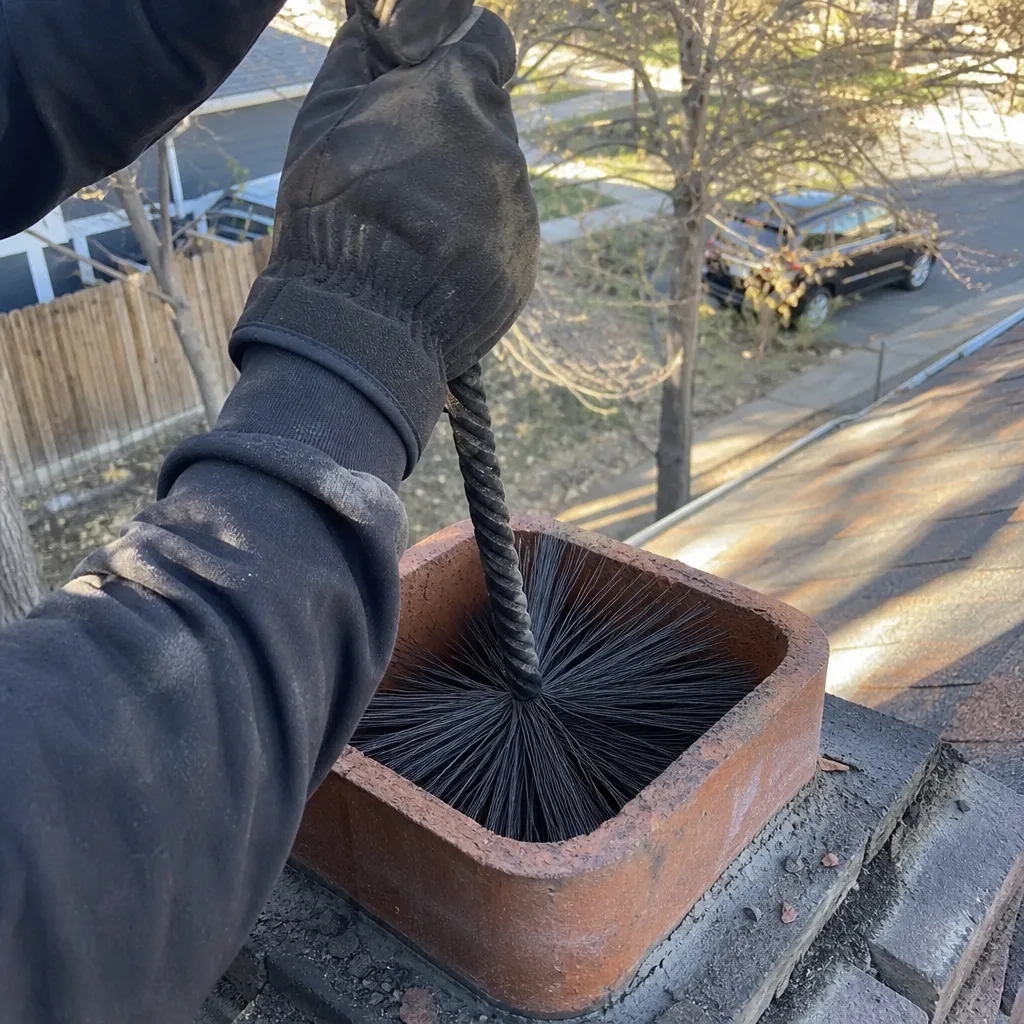
Creosote removal in Oakland costs between $180 and $650 for most single-flue systems, with Class III treatment running higher when a return visit and poultice materials are required. The price range below reflects real Oakland market rates as of 2025-2026. A written price is given before any work starts – not a range, but a specific number for your specific system.
| Service | Typical Oakland Price Range |
|---|---|
| Class I removal (standard sweep + camera scan) | $180 – $280 |
| Class II removal (chemical treatment + rotary mechanical) | $280 – $450 |
| Class III removal (chemical poultice, two-visit protocol) | $450 – $650+ |
| Camera scan and written assessment (standalone) | $129 – $179 |
| Second opinion on a competitor’s written estimate | Free |
What affects cost in Oakland specifically:
- Flue height and liner type. Oakland’s hillside homes in Montclair and Joaquin Miller often have taller-than-average chimneys to clear rooflines on steep lots. More linear footage means more material and more time.
- Access. Multi-story Victorians and craftsman bungalows with tight attic clearances sometimes require extra setup. We document access conditions before quoting.
- Deposit class identified on camera. We cannot know the class without looking. The camera scan identifies it and the quote reflects exactly what removal requires.
- Number of flues. Homes with a fireplace and a wood stove, or a two-sided fireplace, have two flues. Each is quoted separately.
If you’ve received a written estimate from another company, bring it to us. We offer a free second opinion on any written quote – no strings attached, and no pressure to book.
FAQs – Creosote Removal in Oakland
How much does creosote removal cost in Oakland?
Creosote removal in Oakland costs between $180 and $650 for most single-flue systems, depending on the class of buildup. Class I removal is on the lower end; Class III glazed creosote requiring a chemical poultice and a return visit is on the higher end. A written price specific to your system is given before any work starts. Call (628) 300-1701 to schedule a camera scan and get a number in writing.
Can you remove Class III glazed creosote in one visit?
Class III glazed creosote cannot be safely removed in a single visit. The chemical poultice treatment needs 24 to 72 hours to penetrate the glassy deposit before mechanical removal is possible. We apply the treatment on the first visit, return to complete removal and re-scan the liner, and deliver the full photo record at that second appointment. Any company offering same-day glazed creosote removal is either not treating it as Class III or is using a method that won’t fully clear the deposits.
Is creosote removal something a homeowner can do themselves?
Brushing a light Class I deposit is sometimes described as a DIY task, but Class II and Class III buildup involve chemical treatments and rotary equipment that require training to use safely inside a flue liner. Beyond the chemistry, the real issue is identification: without a camera scan, you cannot determine which class you’re dealing with or whether the liner beneath the deposit is intact. Treating a cracked liner the wrong way can push debris into gaps and worsen a structural problem. If there’s any doubt about the class, a professional Level 1 Inspection is the right first step. Call (628) 300-1701 and we’ll tell you what’s there in plain terms before recommending anything.
How often does a wood-burning fireplace in Oakland need creosote removal?
The NFPA recommends annual inspection and cleaning for any fireplace in regular use. In Oakland specifically, the combination of cool, foggy winters and the prevalence of bay-area hardwoods like eucalyptus – which burns hot but with significant moisture – tends to produce moderate buildup faster than fireplace owners expect. If you’re burning once or twice a week from November through March, an annual sweep before or during that season is the right interval. If you’ve skipped a year or two, a camera scan will tell you exactly where you stand before the next fire.
Why Oakland Homeowners Choose Level Two Chimney
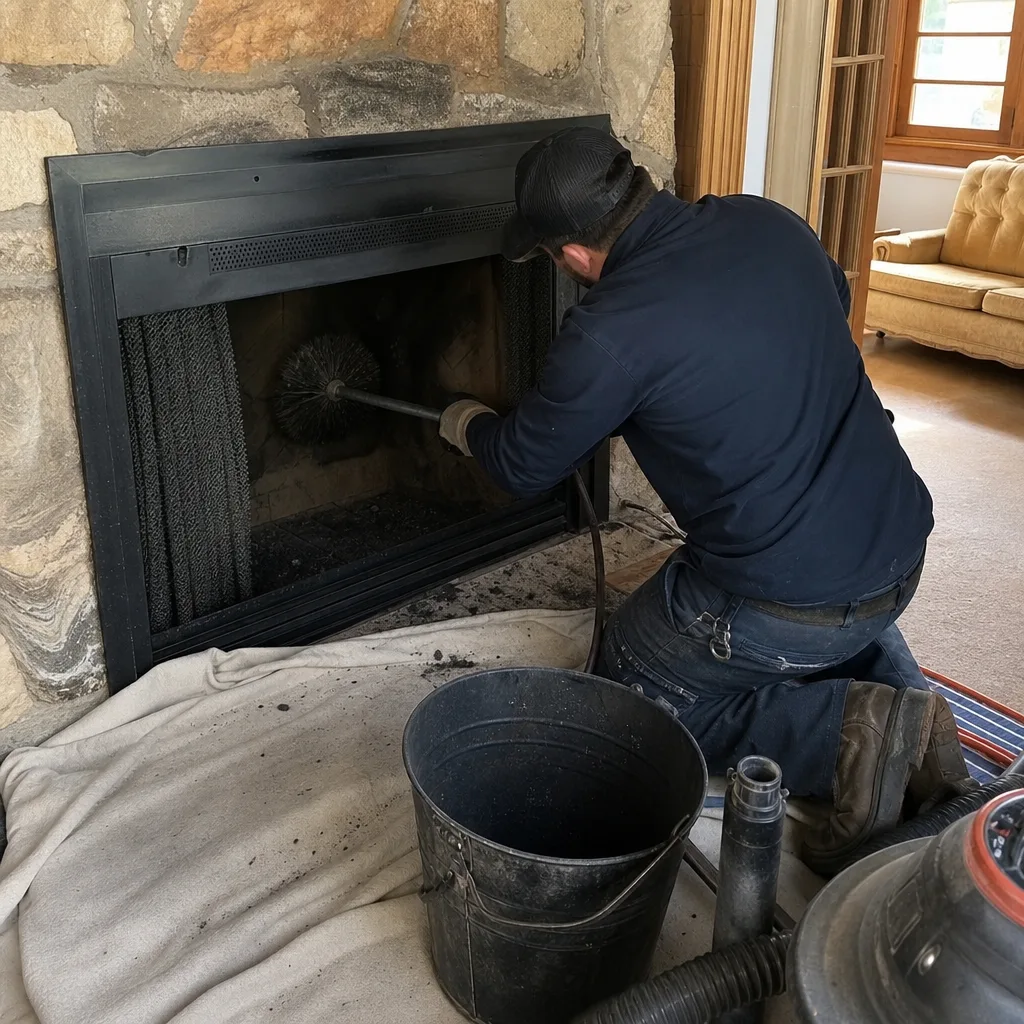
Corrine Halstead built Level Two Chimney Oakland around one idea: that documentation is the service, not an optional upgrade. Every visit since 2009 has included a camera scan and a written price before work starts. That practice – camera down the flue, photo record on completion, written warranty on the receipt – became Clause 4 of the Haven Standard. It wasn’t adopted because regulators asked for it. It was already running.
In Oakland, where housing stock ranges from 1890s Victorians in the Temescal to mid-century ramblers in the Maxwell Park neighborhood, chimney conditions vary more than they do in newer construction markets. We’ve found Class III creosote behind freshly painted fireboxes in homes that recently sold, and liners cracked by past chimney fires that were never reported to an insurer, which is why we recommend a Level 2 Inspection when conditions warrant. The camera finds what a flashlight misses, and the written record means you know what was found – and what was done about it.
We’ve inspected and cleaned more than 38,000 chimneys. We’re not mentioning that number to impress you. We’re mentioning it because the range of conditions we’ve documented in the East Bay means we’re unlikely to be surprised by whatever the camera finds in your flue. And if it’s something that requires work beyond creosote removal, the scope and price for that work are quoted separately in writing before anything proceeds.
If you want to see what our full sweep service covers beyond creosote – smoke chamber cleaning, damper inspection, liner evaluation, cap and crown assessment – visit our home page for a complete picture of what we do.
Key Takeaways
- Creosote removal in Oakland runs $180 to $650 depending on deposit class, with a written price given before work starts.
- Class III glazed creosote requires a two-visit chemical poultice protocol – same-day removal is not a reliable solution for glazed buildup.
- Oakland’s fog-heavy winters and common use of bay-area wood species accelerate buildup faster than many homeowners expect.
- Every job includes a camera scan before and after, a documented photo record on completion, and the 365-Day Done Right Promise in writing.
- Free second opinion on any written estimate from another company – bring the quote and we’ll assess it at no charge.
- Live phone support at (628) 300-1701, answered around the clock – not a form, not a voicemail.
To schedule a camera scan and get a written creosote assessment for your Oakland home, call (628) 300-1701. A live person will answer, give you available times, and confirm a named technician with a text when they’re on the way. The written price comes before any work starts – always.
Written by Corrine Halstead, Owner at Level Two Chimney Oakland, serving Oakland since 2009.