
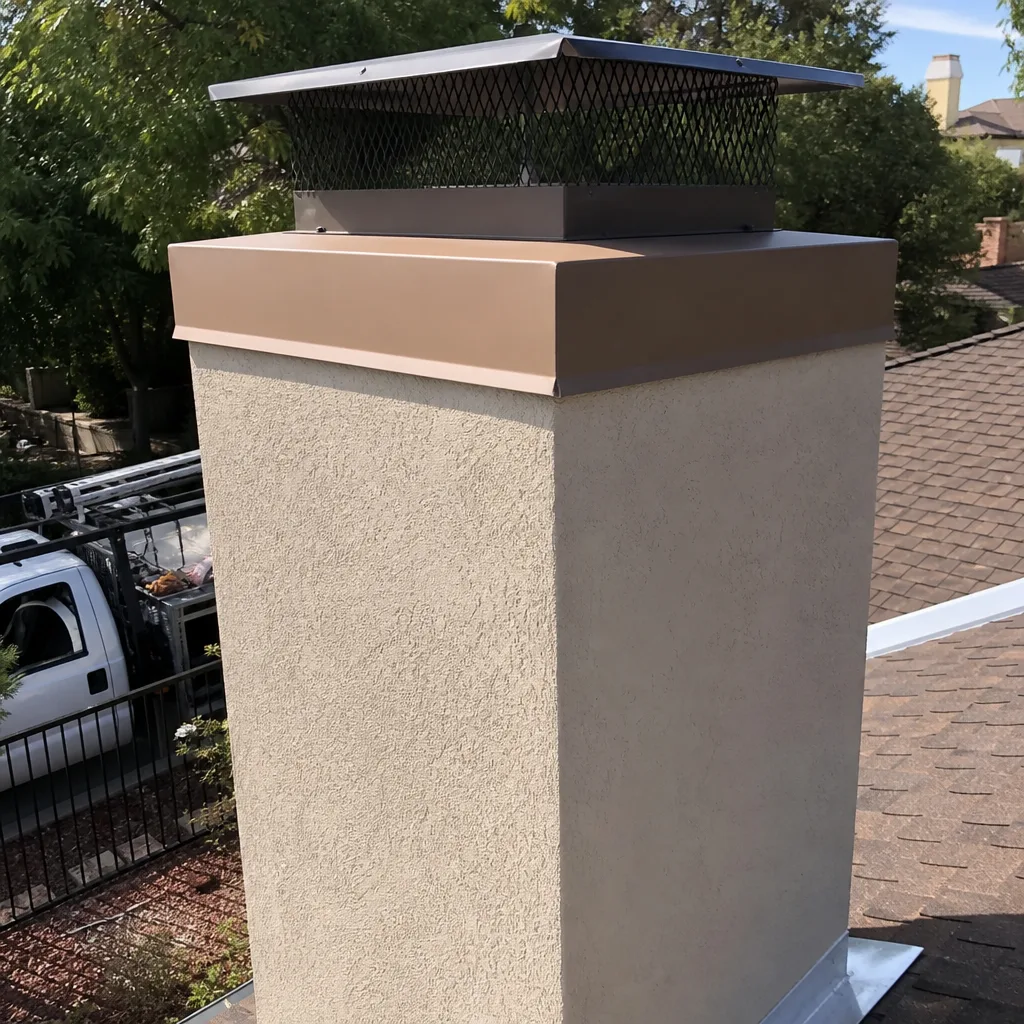
Level 1 sweep and inspection to the NFPA 211 annual standard - flue, crown, cap, and flashing checked and photographed
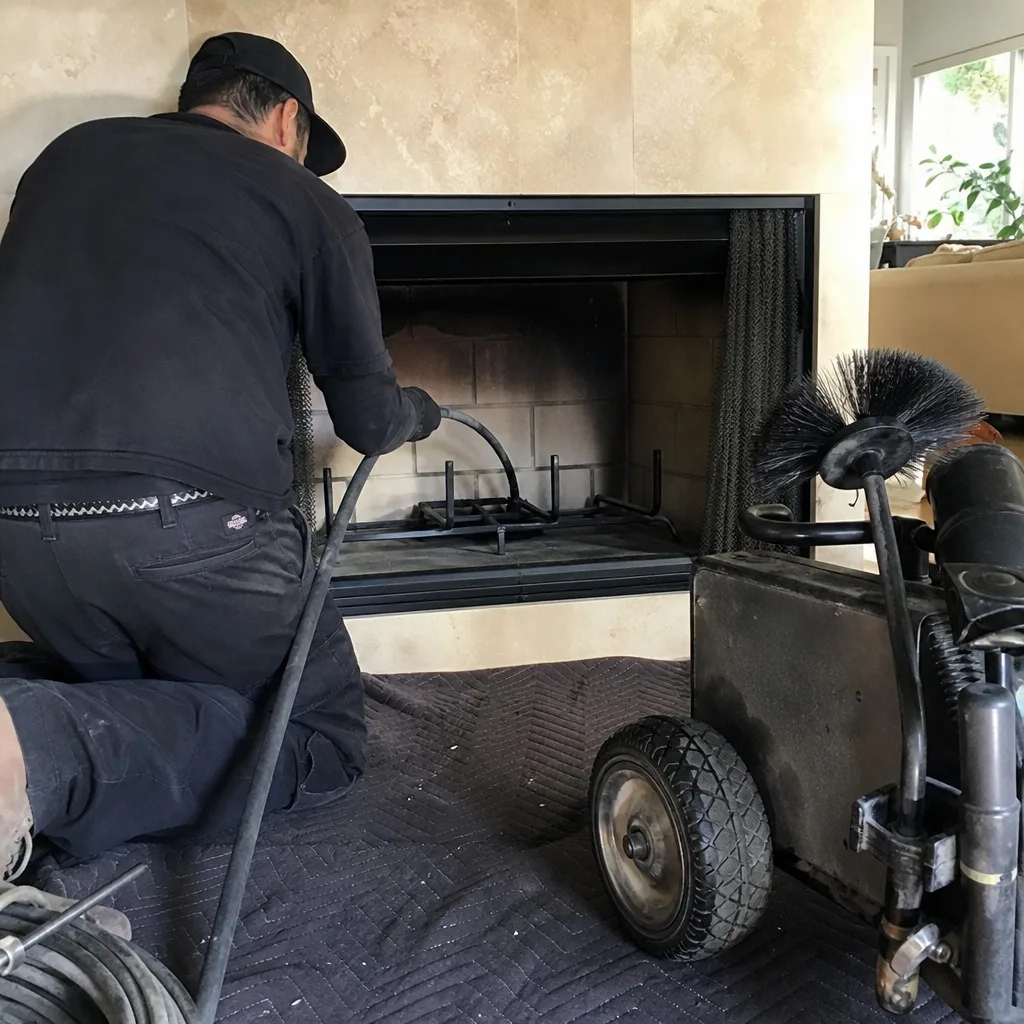
Chimney sweep logs do not sweep chimneys. They loosen some creosote - which then falls where a brush and vacuum still have to collect it.
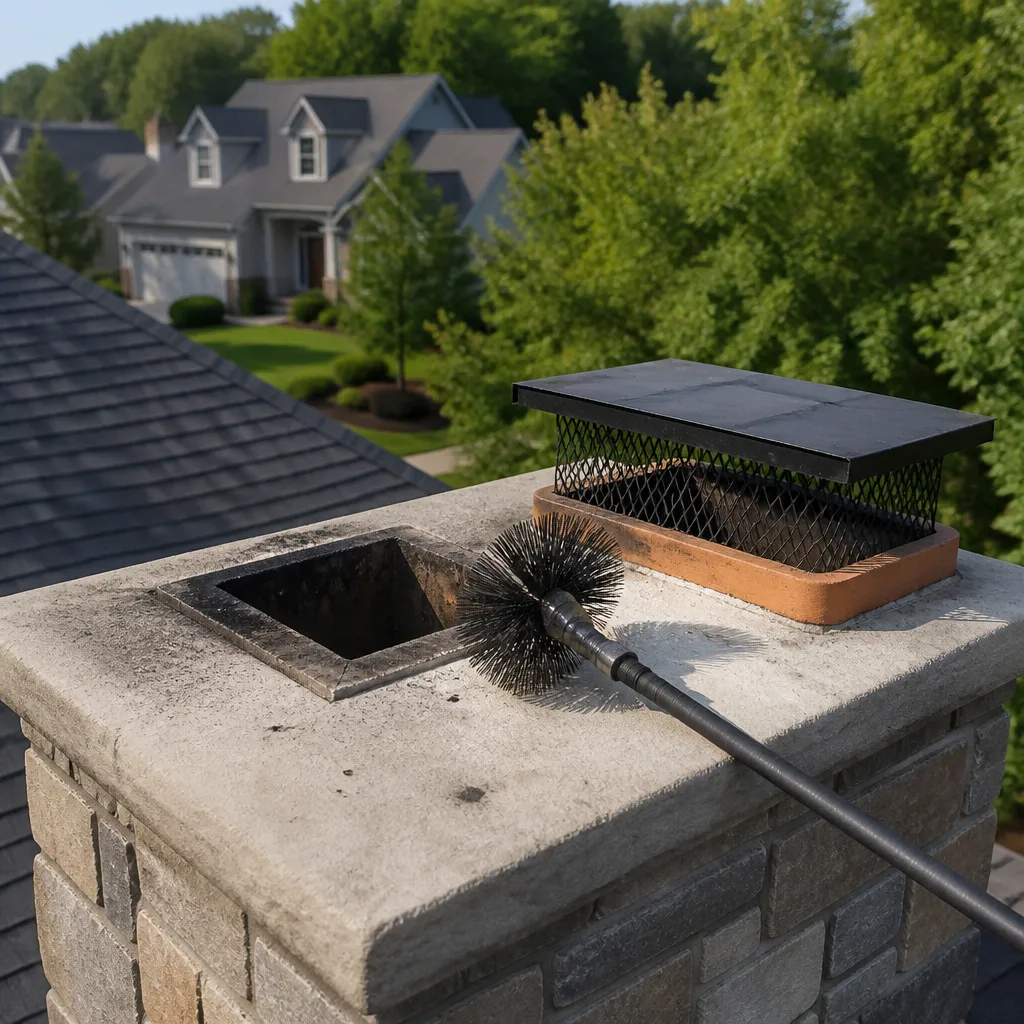
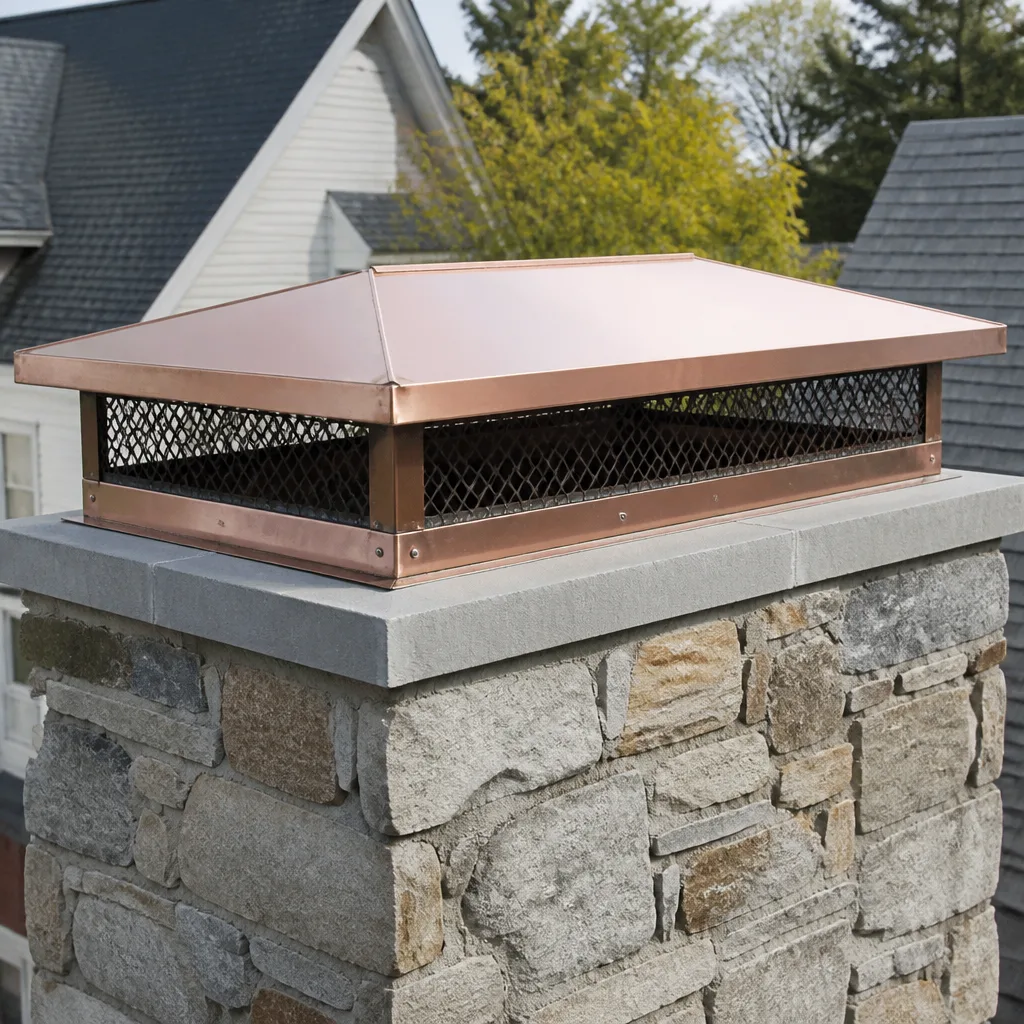
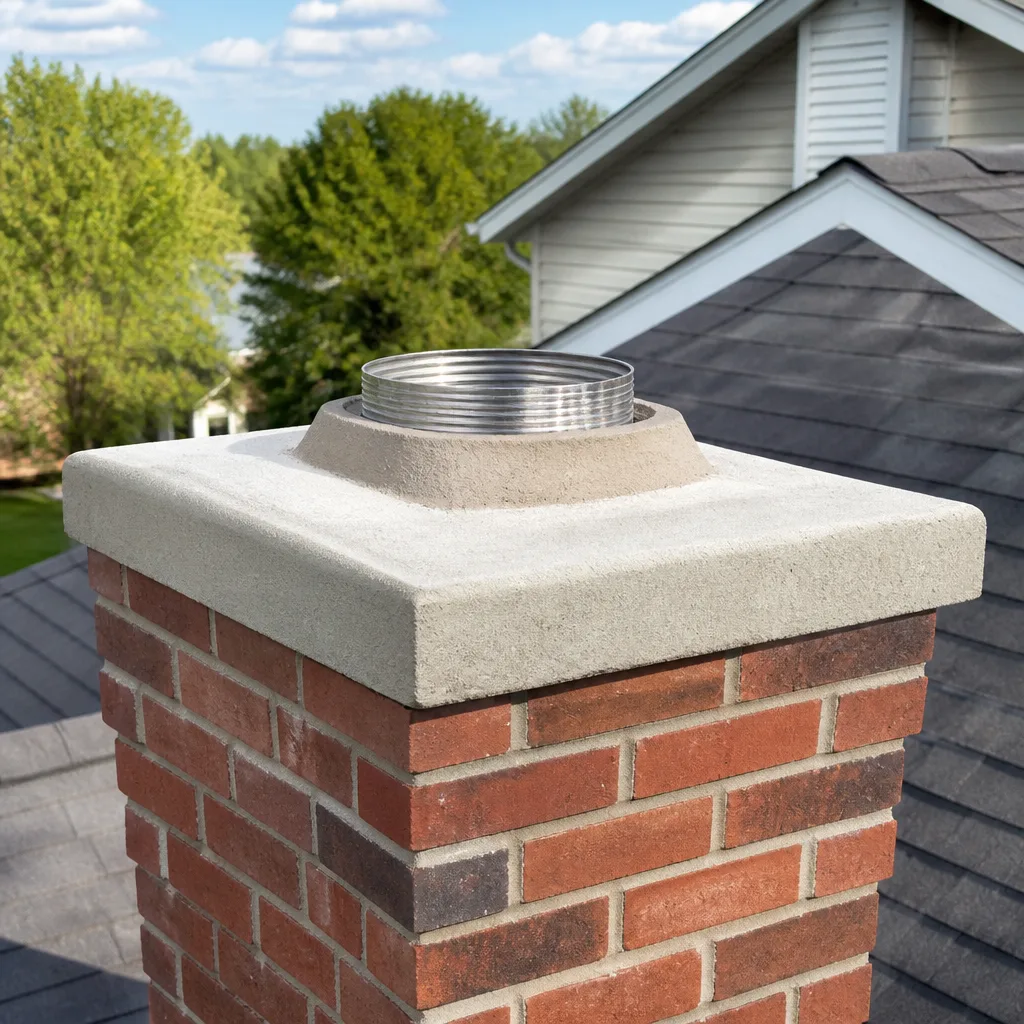
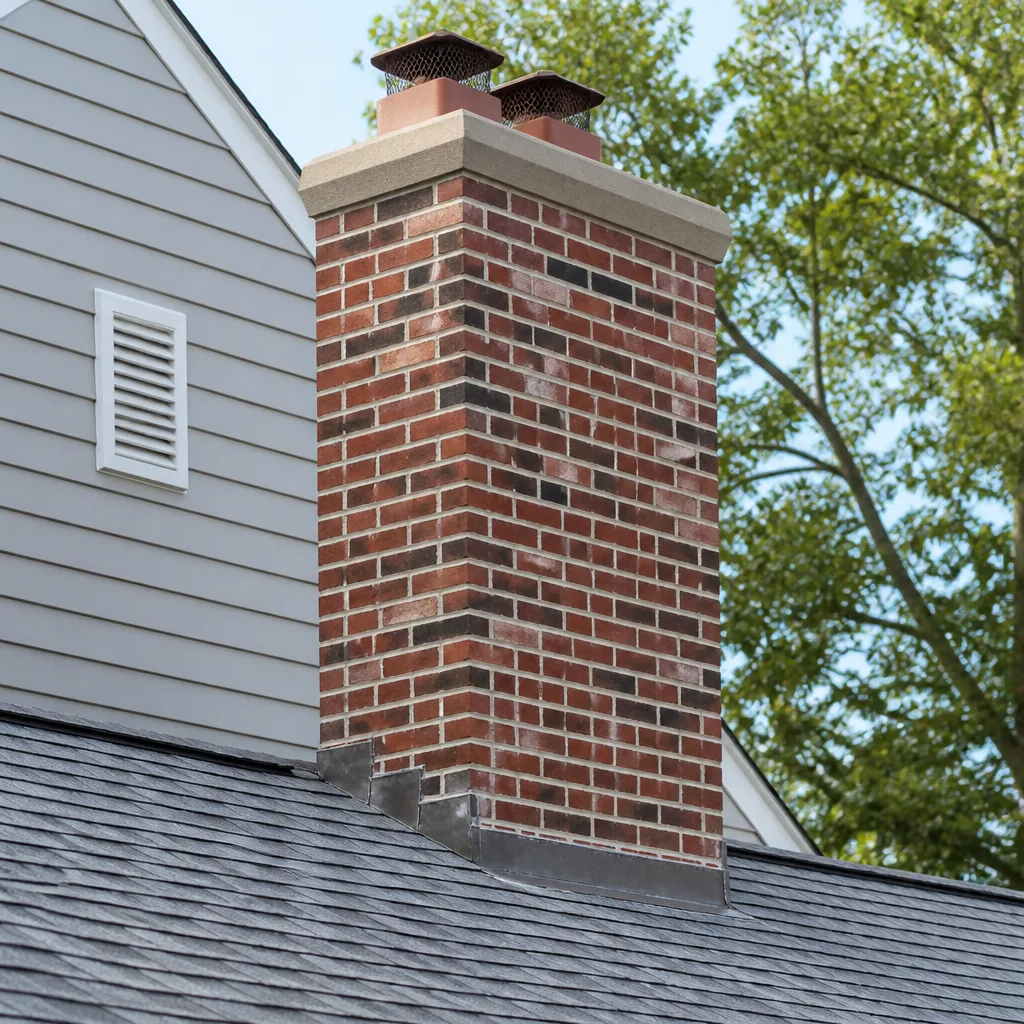
 Before
 After
After Before
 After
After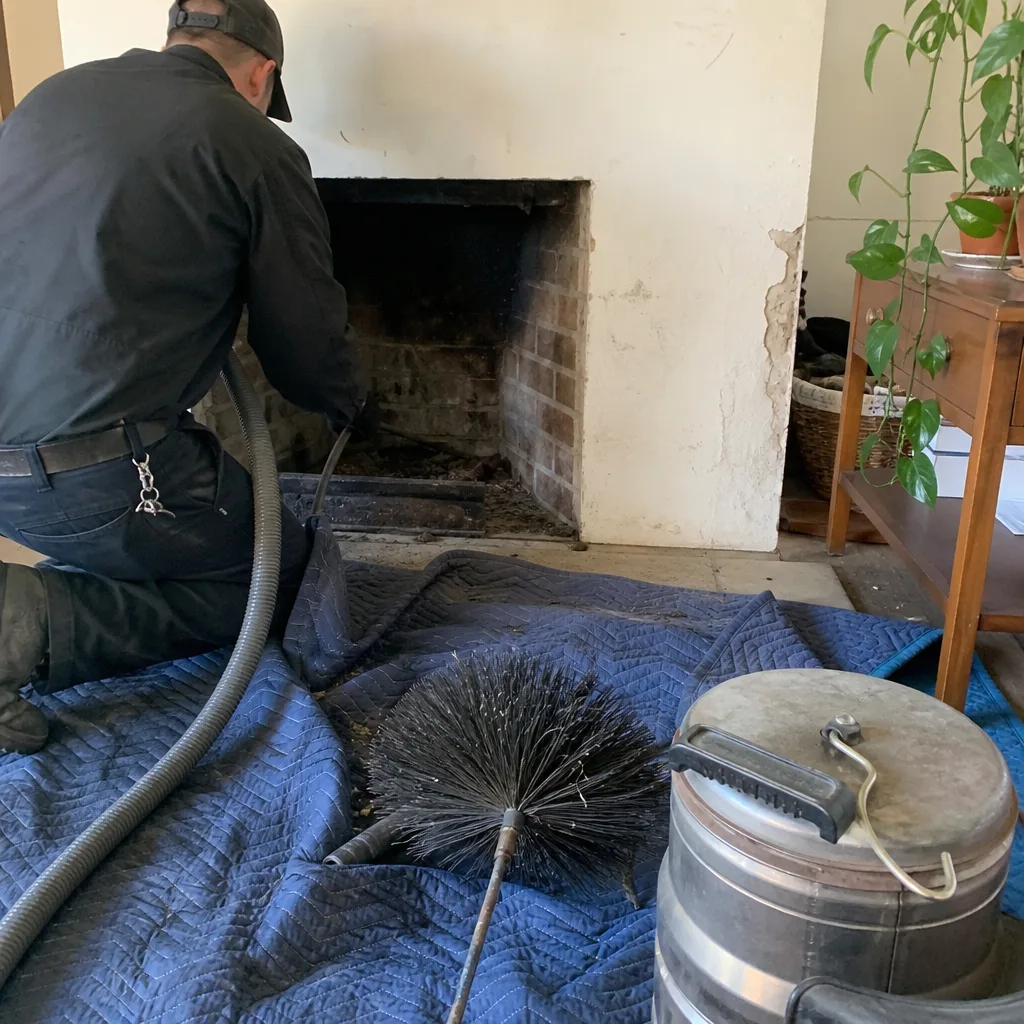 Before
 After
AfterCopperfield Flue Liner Replacement: The Oakland Owner’s Guide
We stock and install Copperfield-compatible flue liner replacement in Oakland, with typical installed pricing from $2,800 to $4,600 depending on flue height, diameter, and whether the existing liner is a direct pull or requires chimney disassembly. Most Copperfield systems we encounter in Oakland’s 1920s-1950s housing stock use 6-inch or 8-inch round flexible liners, and we carry both OEM Copperfield and Haven-spec aftermarket equivalents on our trucks. If you’re seeing rust flakes in the firebox or catching a metallic smell when the fireplace is cold, you’re probably looking at liner failure - and it’s not a repair that waits well.
Most Oakland homeowners discover their Copperfield liner is shot during a routine sweep, or when water starts weeping through the mortar joints above the smoke shelf after our Bay Area rains. The camera doesn’t speculate - and neither do I. Corrine Halstead and our crew have logged liner conditions from the flat-roof bungalows in Maxwell Park to the steeper pitches in Piedmont Pines, and the pattern is consistent: Copperfield’s galvanized and stainless offerings from the 1990s and 2000s are hitting end-of-life right now, especially where Pacific salt air has worked the exterior collar.
Which Copperfield Models This Applies To
Copperfield’s flue liner catalog breaks into three eras, and knowing which you have changes both the part number and the install approach.
- Pre-2005 galvanized flexible liners: Marked with a yellow tag near the top termination. These are almost always 6″ or 8″ round, and they’re the ones failing now from the outside in - galvanic corrosion where the collar meets the flue tile. We don’t recommend OEM replacement here; Haven-spec 316Ti stainless from our DuraFlex and Olympia Chimney supply runs thinner, pulls easier, and carries a lifetime warranty the original never had.
- 2005-2018 stainless flexible liners (Chimney Liner series): Tagged in blue or silver. These use a proprietary compression fit at the appliance adapter that looks standard but isn’t - a 6″ DuraFlex won’t seat cleanly without Copperfield’s tapered collar or our machined adapter. We’ve got both on the truck.
- Rigid and semi-rigid systems (Oval-Rite, Square-Rite): Found in Oakland’s tighter chimney flues, especially the double-flue setups common in Rockridge and Glenview. The oval-to-round transition piece is the failure point, and it’s not a stocked item at most suppliers. We source through Haven’s buying network specifically to keep the price honest on these oddball transitions.
To identify your model: look for the stamped band 12-18 inches down from the top termination, or the adhesive tag on the appliance adapter. If the tag’s gone, we measure with a chimney camera and caliper - standard on every Level Two visit, Haven Standard Clause 4.
Level Two Chimney Oakland is an independent service provider; we’re not affiliated with Copperfield. We stock Copperfield-compatible parts because they’re what Oakland homeowners have in their chimneys, and we source OEM or aftermarket based on what’s actually available and what lasts.
Signs Your Copperfield Flue Liner Replacement Is Failing
- Orange-brown flakes in the firebox or hearth. This is oxidized steel shedding from the liner wall. In Oakland’s climate, the moisture that condenses in a cool flue during our foggy mornings accelerates rust once the galvanic or passive protective layer is breached.
- Metallic or “wet penny” smell when the fireplace is cold. You’re smelling ferrous oxide and possibly creosote acids that have reached the liner surface. It means the inner wall has pinholes or the seam weld has opened.
- White or green efflorescence on exterior brick. The liner is no longer containing combustion moisture, which is now migrating through the masonry. We see this especially on south- and west-facing walls in Oakland Hills, where thermal cycling is hardest.
- Draft problems or smoke spillage at startup. A liner that’s collapsed, separated at a joint, or partially obstructed by a failed section changes the flue’s effective diameter. The chimney still “draws” once hot, but cold starts become unreliable.
- Visible gaps or sag in the liner from the top. Sometimes the failure is mechanical - a support plate has corroded, or the liner has slipped its clamp. This is the one symptom you can sometimes spot yourself, though we confirm with camera before quoting.
 Before
 After
AfterReplacement Cost & What’s Included
| Scope | Price Range |
|---|---|
| Single-flue flexible liner replacement, 6″ or 8″, standard two-story Oakland height (18-22 ft), pull-and-insert with no masonry work | $2,800 - $3,400 |
| Same, with chimney top rebuild or new crown pour required for safe termination | $3,600 - $4,600 |
| Double-flue system or Oval-Rite/Square-Rite with custom transition fabrication | $3,800 - $5,200 |
| NFPA 211 Level 2 camera inspection with documented photo record (included on every job, Haven Standard Clause 4) | No additional charge |
What drives the range: flue height, diameter, whether we can pull the old liner intact or must break it out in sections, and whether the top plate, rain cap, and storm collar are still serviceable. We don’t guess. We send the camera down first, show you the footage, and deliver a written price, written scope, and written warranty before anyone starts - Haven Standard Clause 1, H.A.V.E.N. “Have it in writing.” Materials come through Haven’s buying network from DuraFlex, HeatShield, Gelco, Olympia Chimney, Famco, and Copperfield, which means we’re not marking up a retail part and calling it specialty.
Every liner replacement carries our 365-Day Done Right Promise: if it’s not done right, we make it right.
DIY or Call Us?
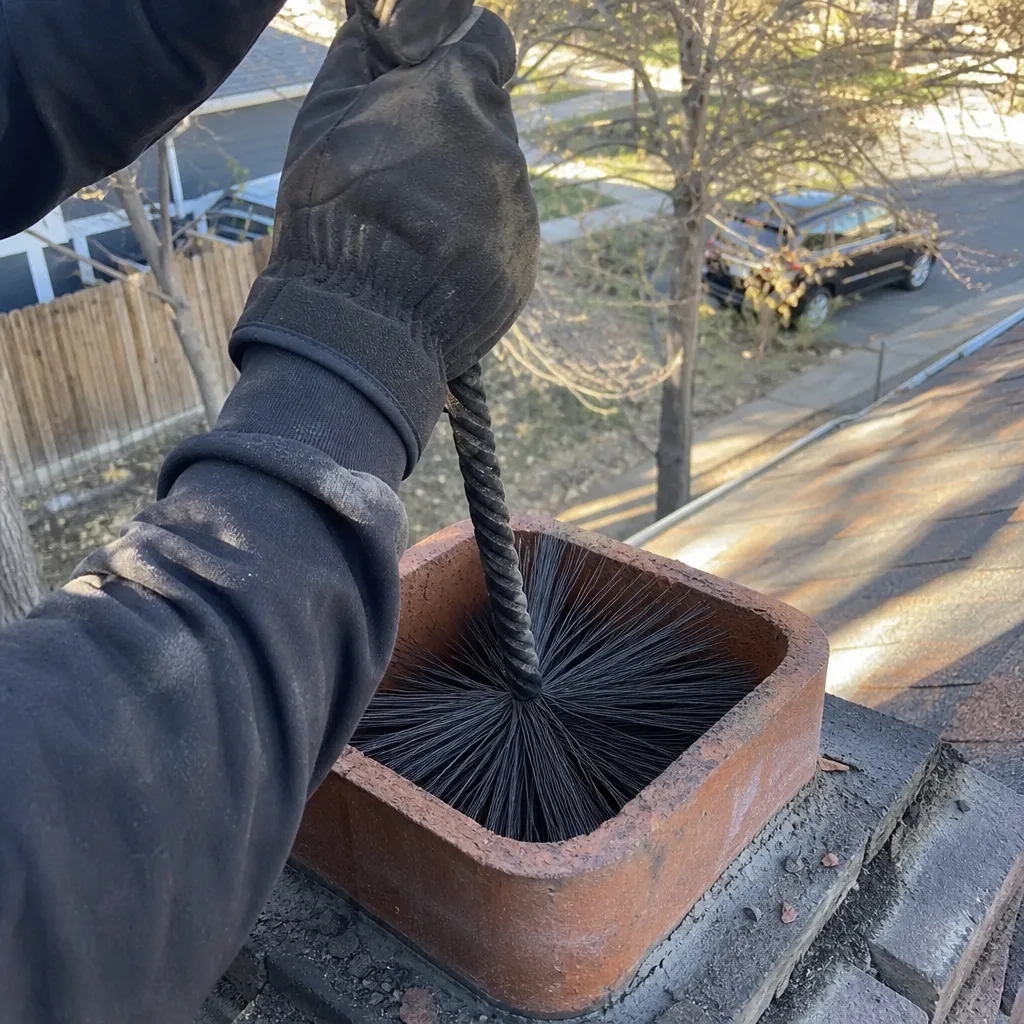
Here’s where we draw the line honestly.
What you can safely check: look down the flue from the top (if you have safe roof access) or up from the cleanout door for visible gaps, sag, or rust debris. Note the diameter and any tags. That’s it. Document what you see - it helps when you call.
Where DIY goes wrong: pulling a liner is not like replacing a dryer vent. The old liner may be wedged behind spalling flue tile, or it may drop unexpectedly when you release the top clamp. Installing the new one requires setting the correct tension so it doesn’t sag or over-stress the appliance adapter, sealing the top plate to the crown with proper high-temp sealant, and confirming draft with a manometer or smoke pencil. More critically, a liner that doesn’t seat cleanly at the appliance connection can leak carbon monoxide into the wall cavity or living space. Oakland’s housing stock has enough quirks without adding a combustion hazard.
We’re not going to tell you it’s illegal to DIY - it’s your house. We will tell you that in 16 years and 38,000 inspections, we’ve never seen a self-installed liner that didn’t have at least one issue we’d have caught with the camera. Call (628) 300-1701 and we’ll quote it in writing before anyone picks up a tool.
FAQs
Galvanized Copperfield liners installed in the 1990s and early 2000s are typically failing at 18-25 years in Oakland’s marine climate, especially within a few miles of the Bay where salt air accelerates exterior corrosion. The 316Ti stainless replacements we install carry a lifetime warranty and routinely outlast the galvanized originals by decades. If your liner is original to a pre-2005 install, it’s on borrowed time - call (628) 300-1701 for a camera inspection and we’ll show you exactly what we’ve got.
Spot repair is possible for isolated damage - a cracked top plate, a loose storm collar, a small section of compromised wall - but once the liner shows generalized rust, pinholing, or seam separation, patching is temporary at best and potentially dangerous at worst. We don’t recommend it. Our policy: nothing is recommended without camera evidence you can see for yourself, and we’ll tell you plainly when work can safely wait versus when it can’t. Free second opinion on any written estimate, always.
Most single-flue Copperfield liner replacements in Oakland are completed in one day, assuming standard height and no masonry complications. Double-flue systems, custom transitions, or jobs requiring crown rebuild typically run two days. We don’t promise same-day dispatch - this work is booked, not rushed - and we schedule with enough buffer to do the camera inspection, review the footage with you, and get your written approval before installation begins.
We carry 6″ and 8″ round flexible liner in 316Ti stainless, along with the proprietary adapters and transition pieces that match Copperfield’s 2005-2018 series, on every Level Two truck serving Oakland. Oval-Rite and Square-Rite transitions are fabricated to order through our Haven network, typically 24-48 hour turnaround. If we don’t have it, we don’t fake it - we tell you the lead time and keep you updated.
Written by Corrine Halstead, Owner, Level Two Chimney Oakland at Level Two Chimney Oakland, serving Oakland and nearby areas.