
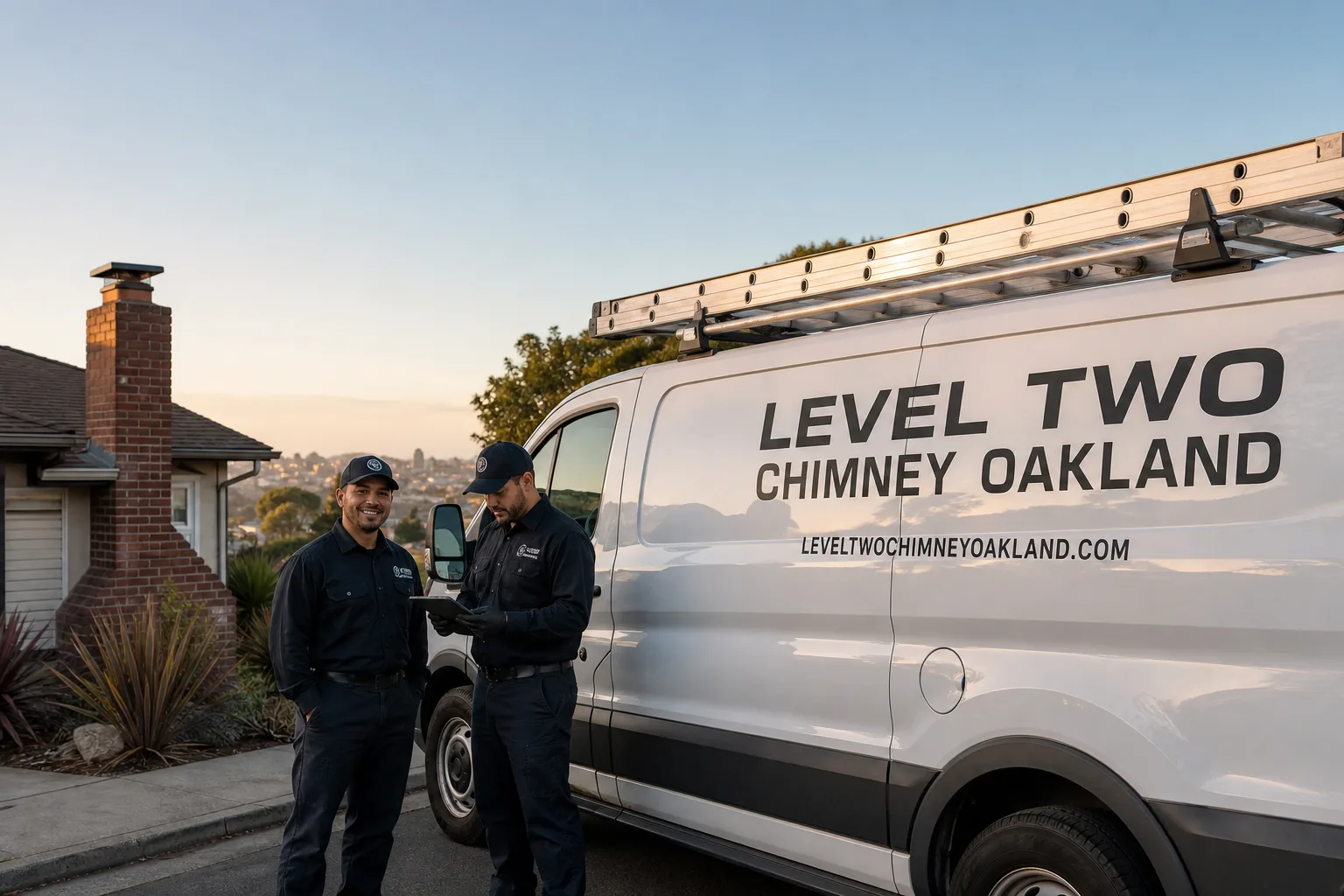
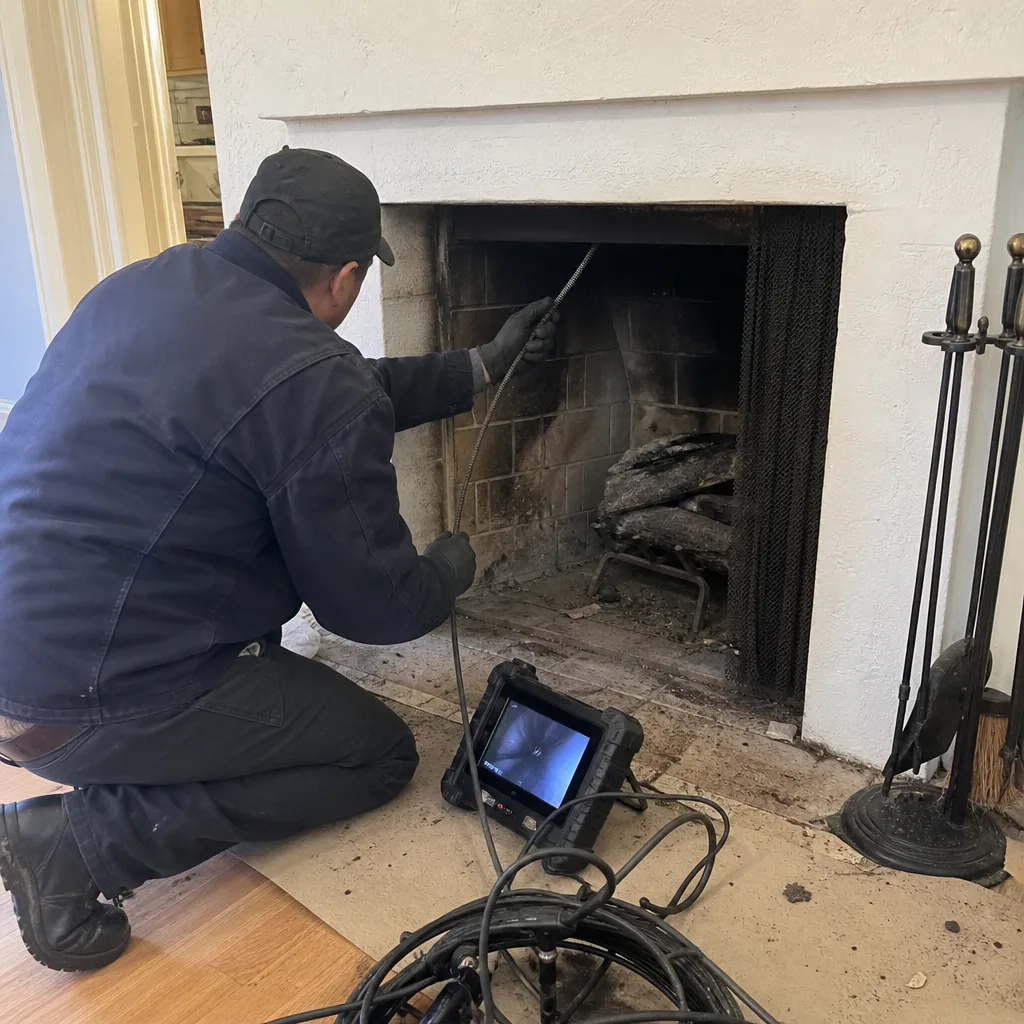
Level 1 sweep and inspection to the NFPA 211 annual standard - flue, crown, cap, and flashing checked and photographed
Chimney sweep logs do not sweep chimneys. They loosen some creosote - which then falls where a brush and vacuum still have to collect it.
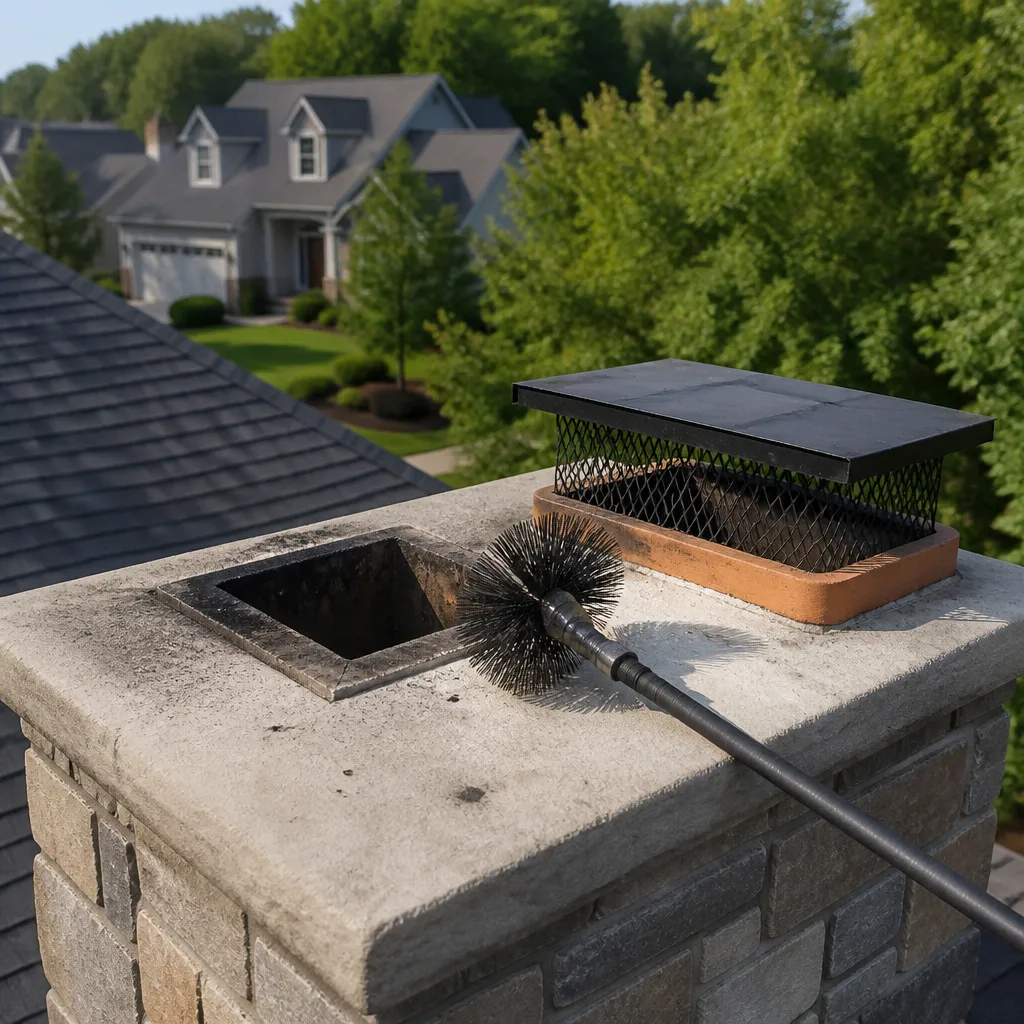
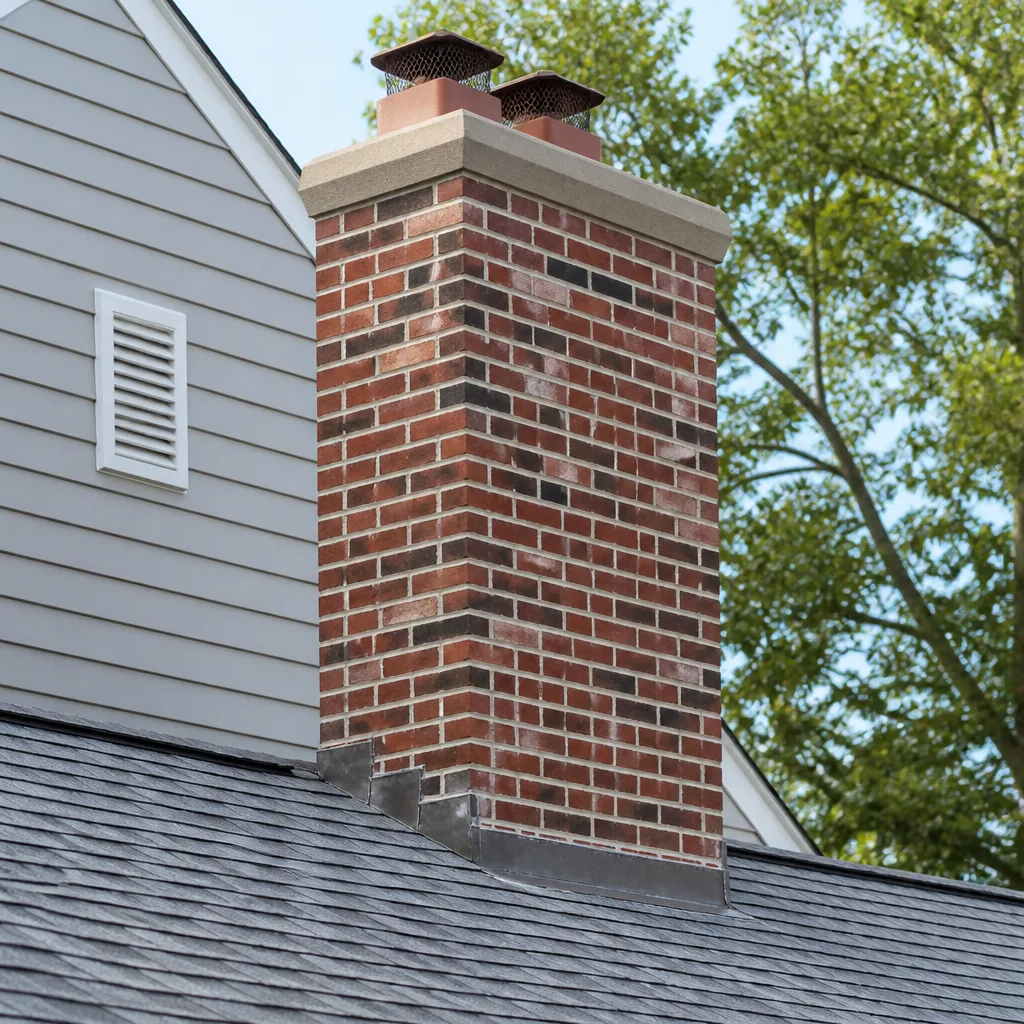
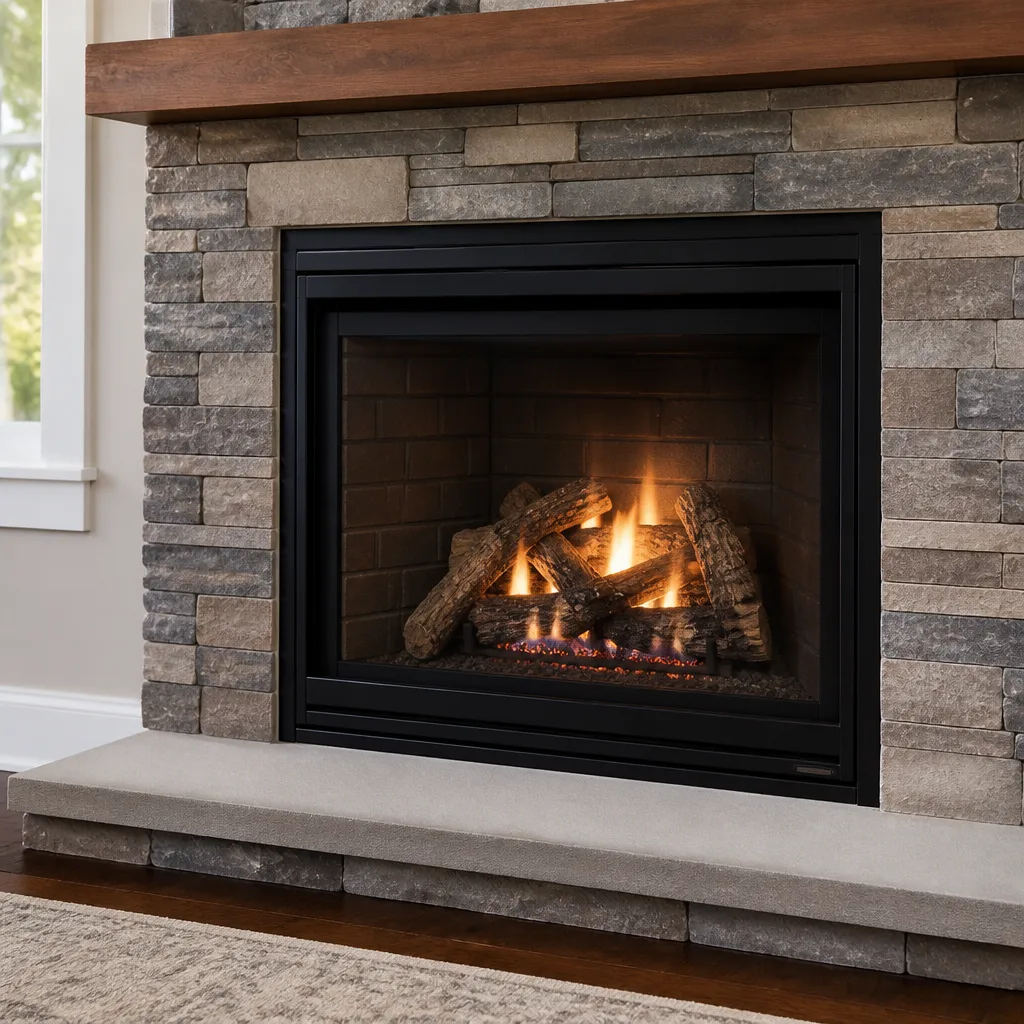
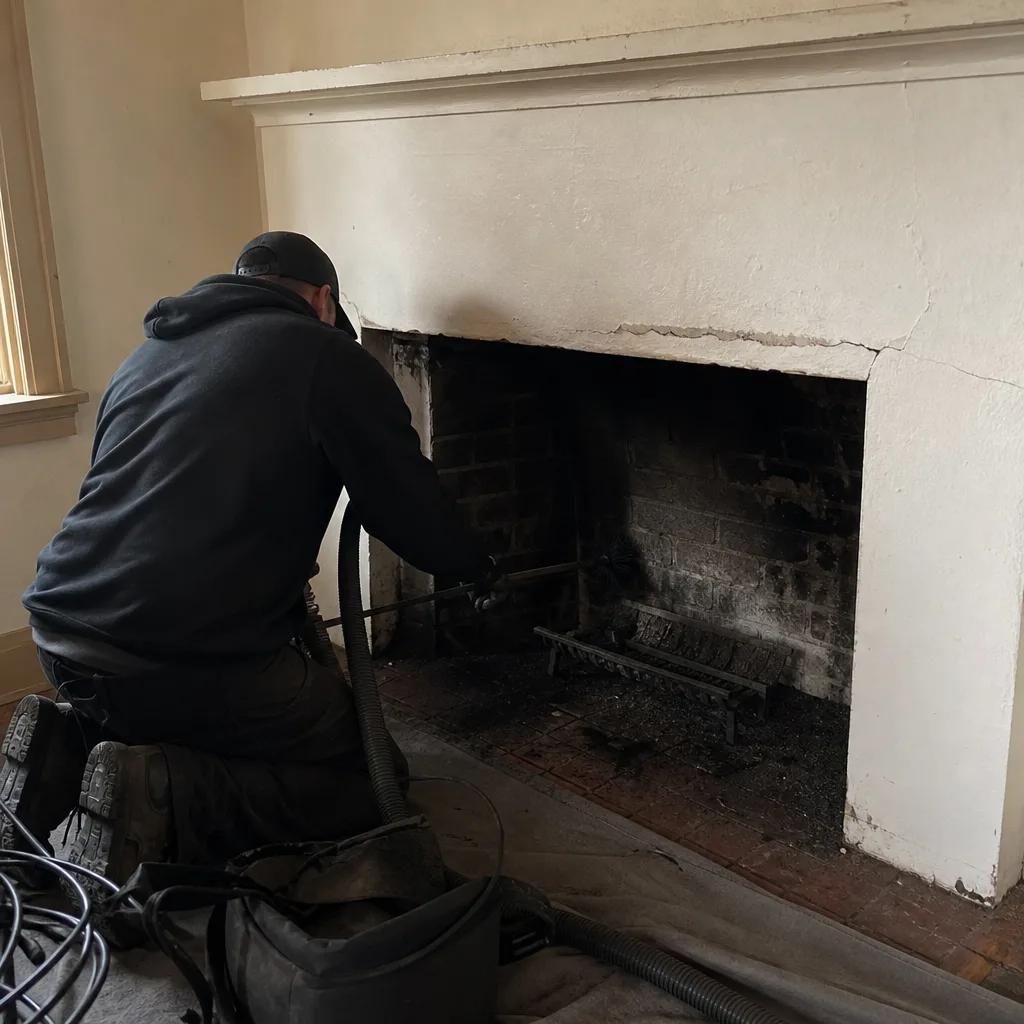 Before
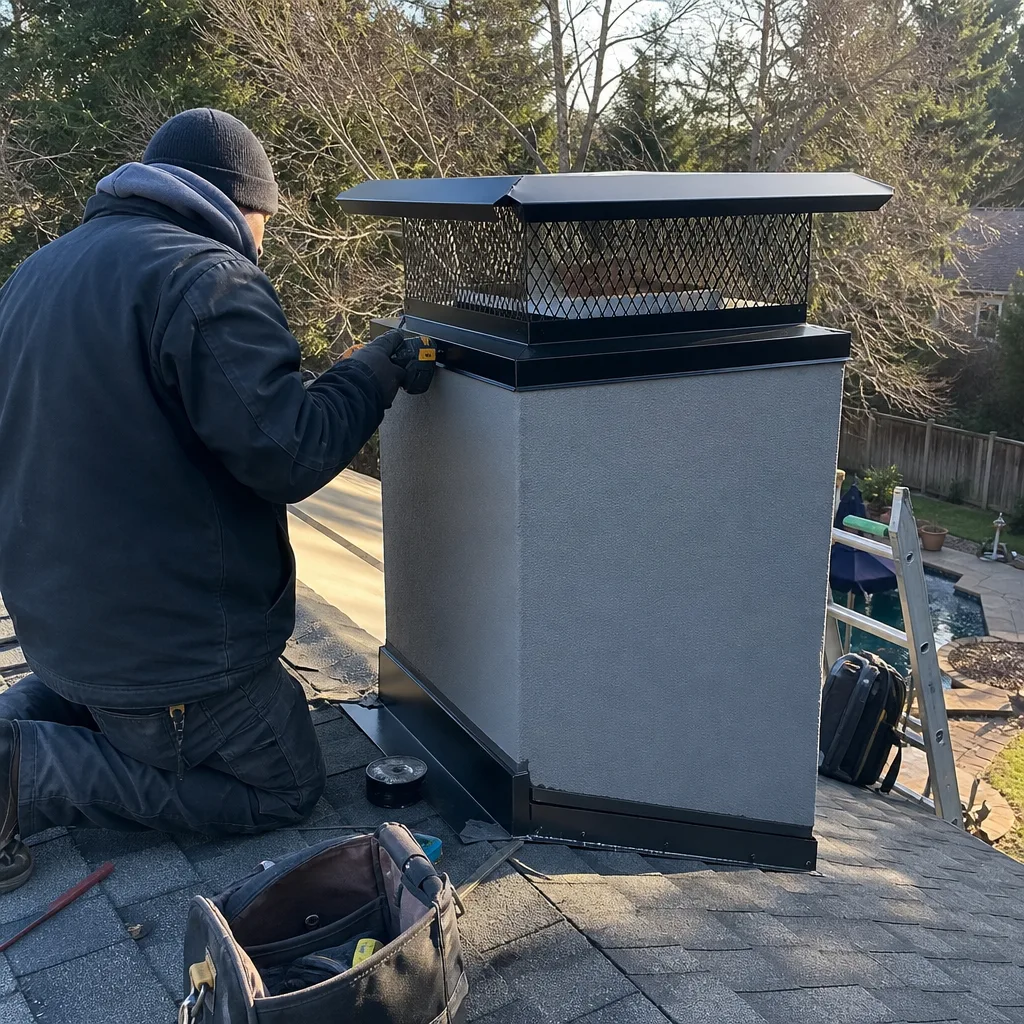 After
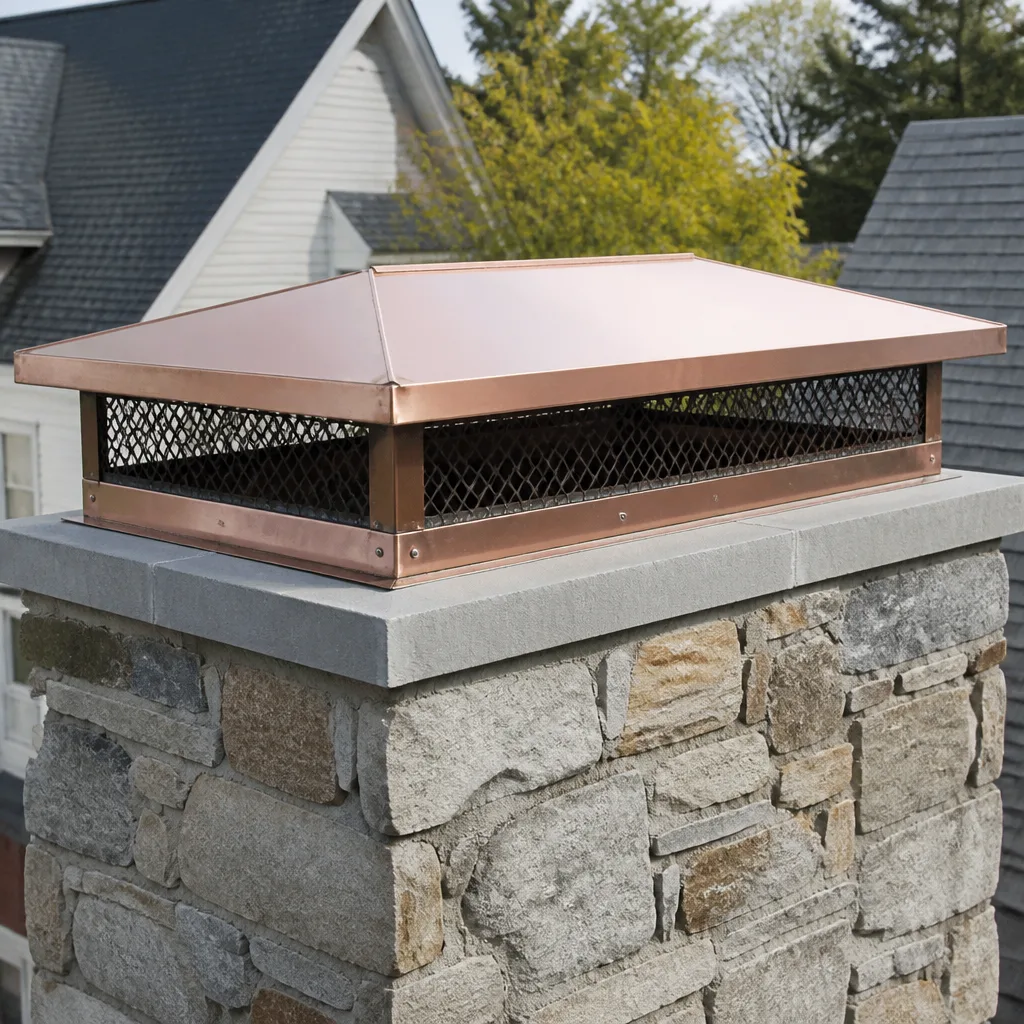
After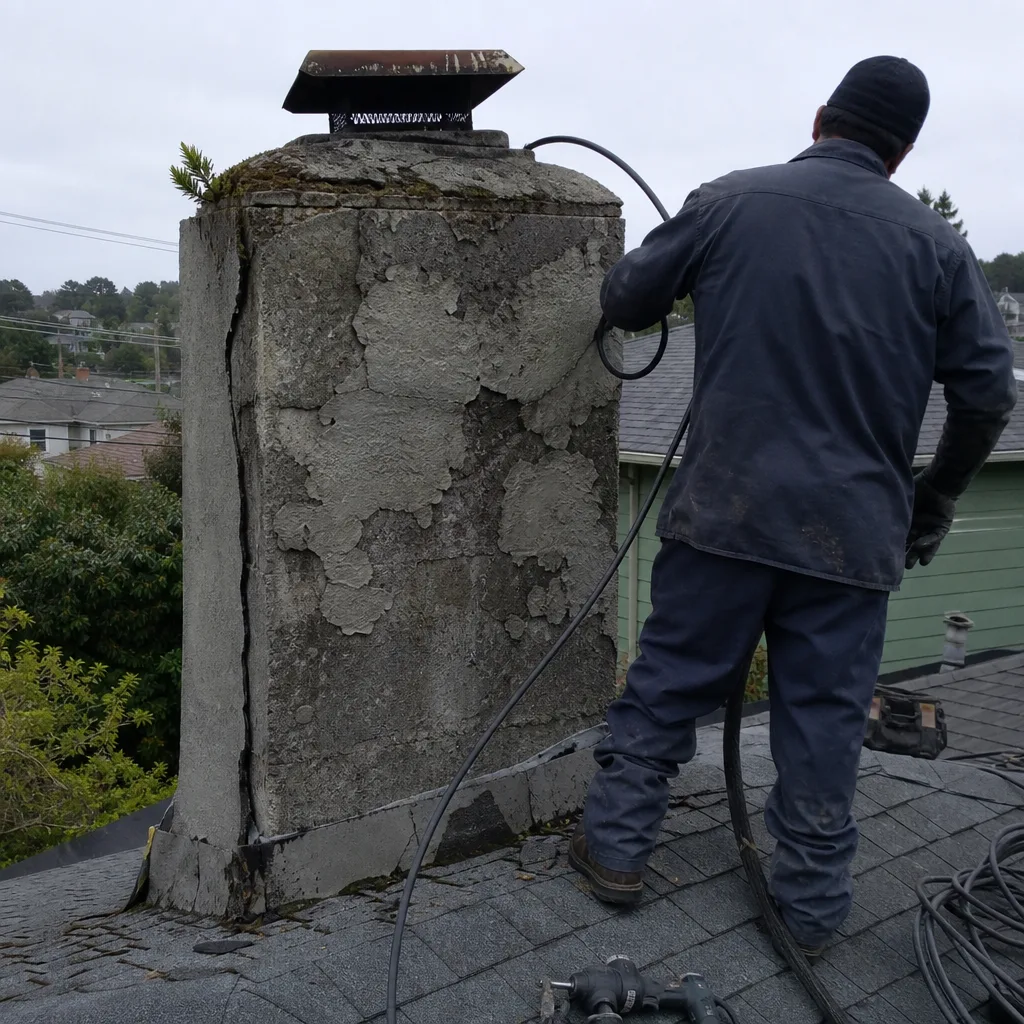 Before
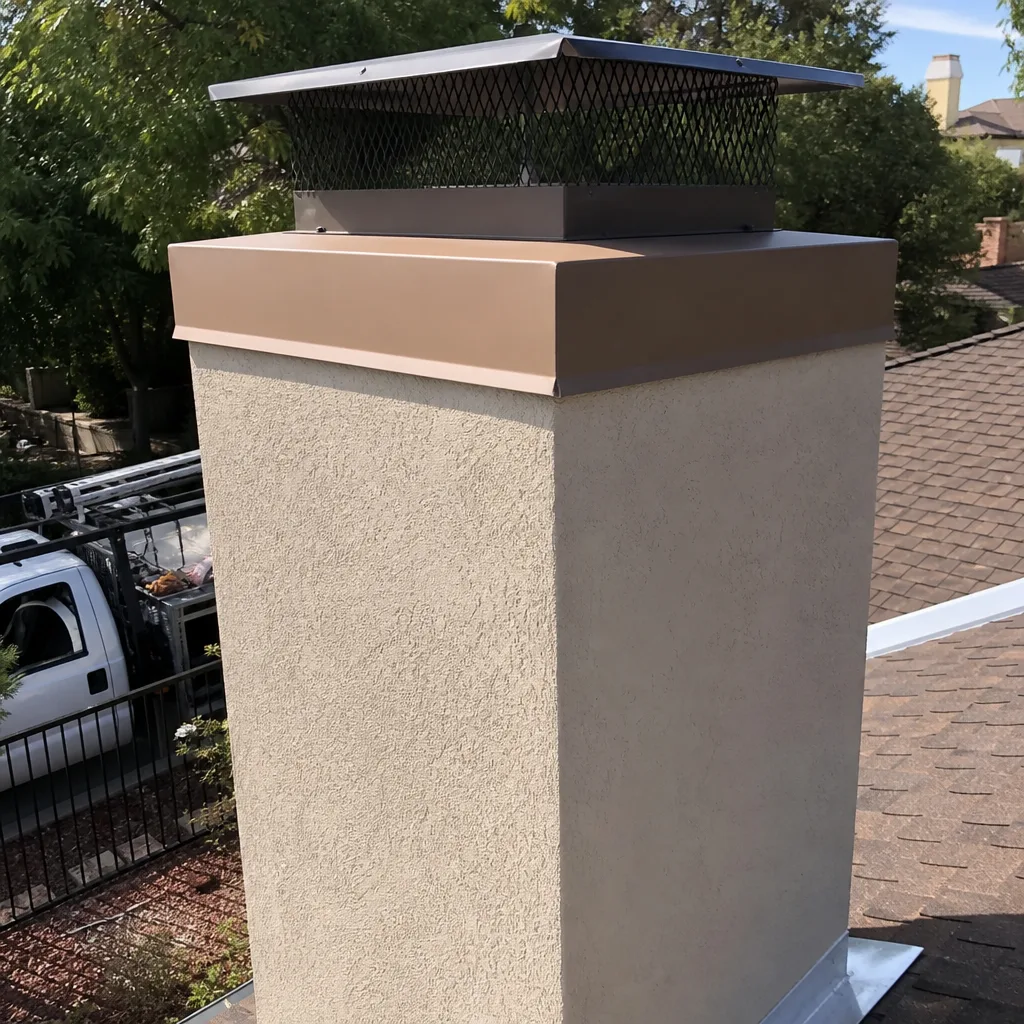 After
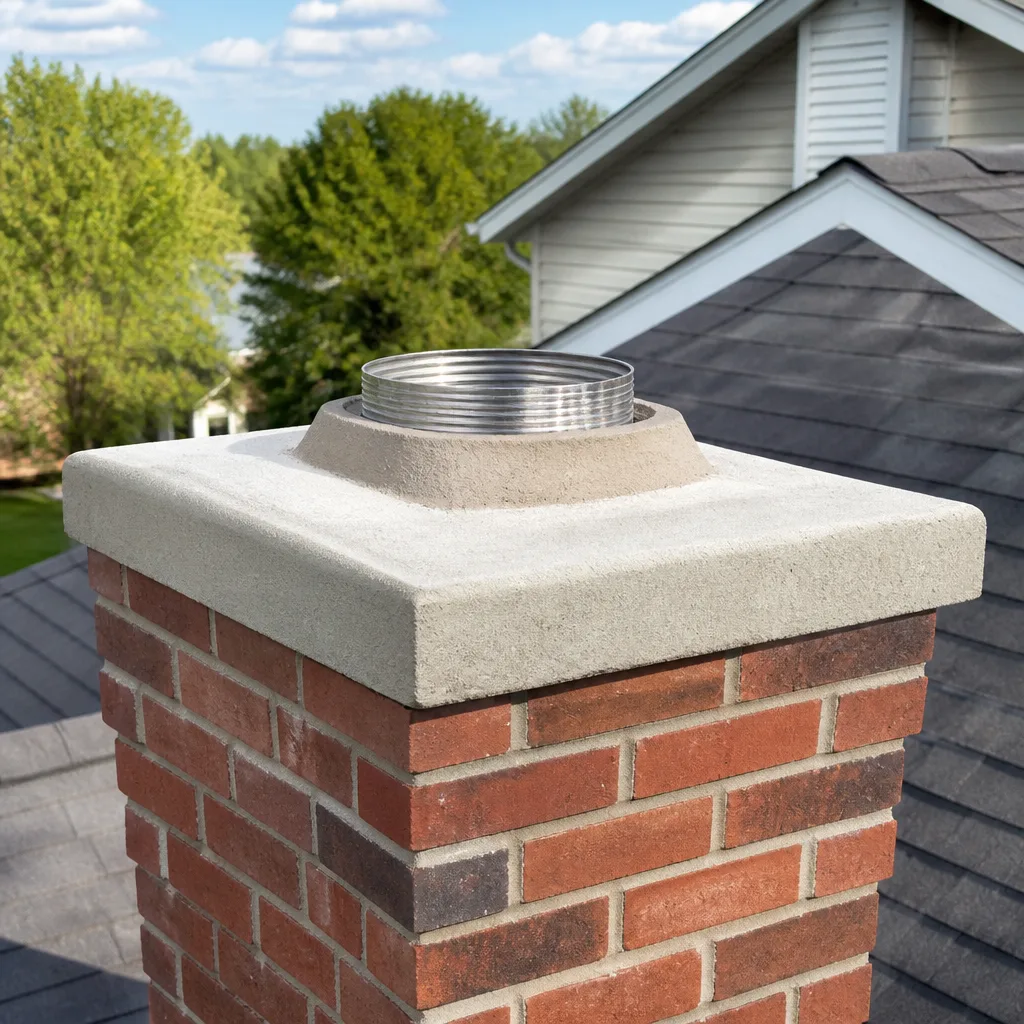
After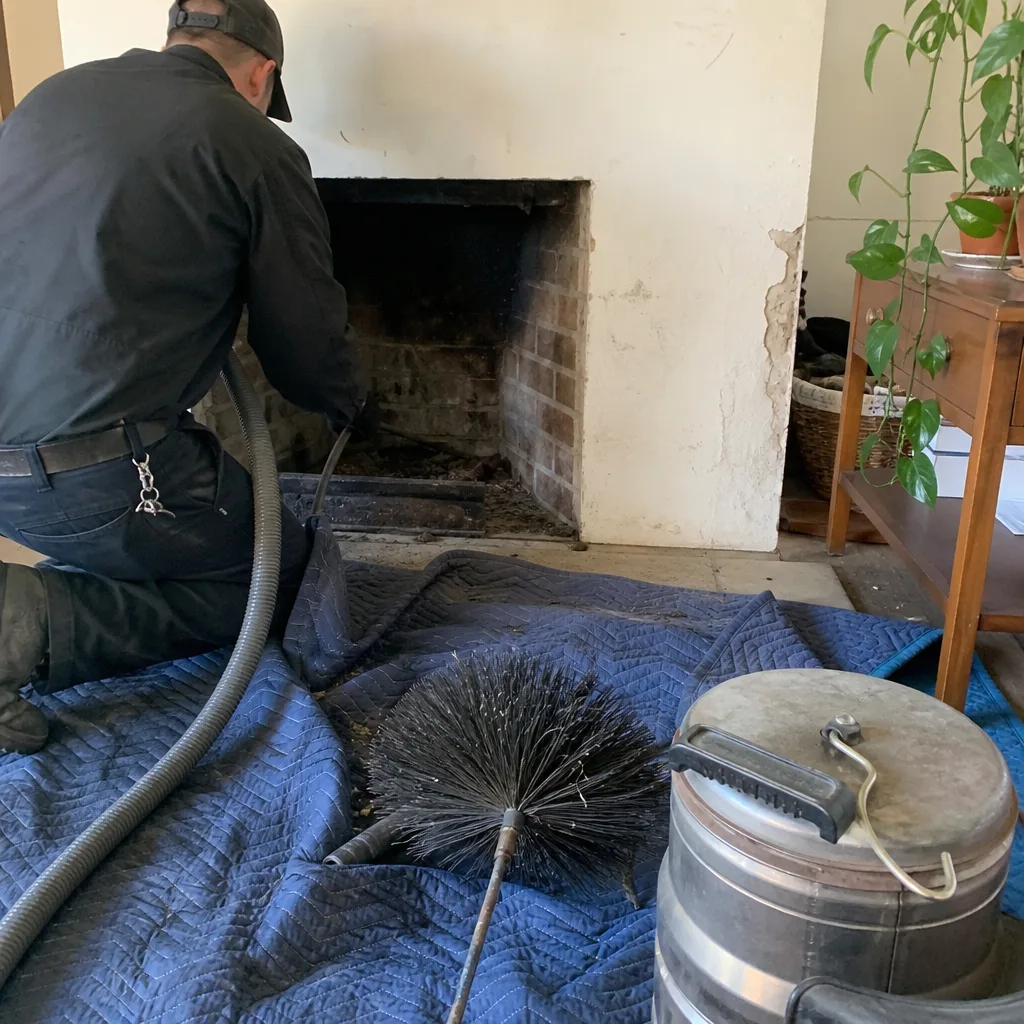 Before
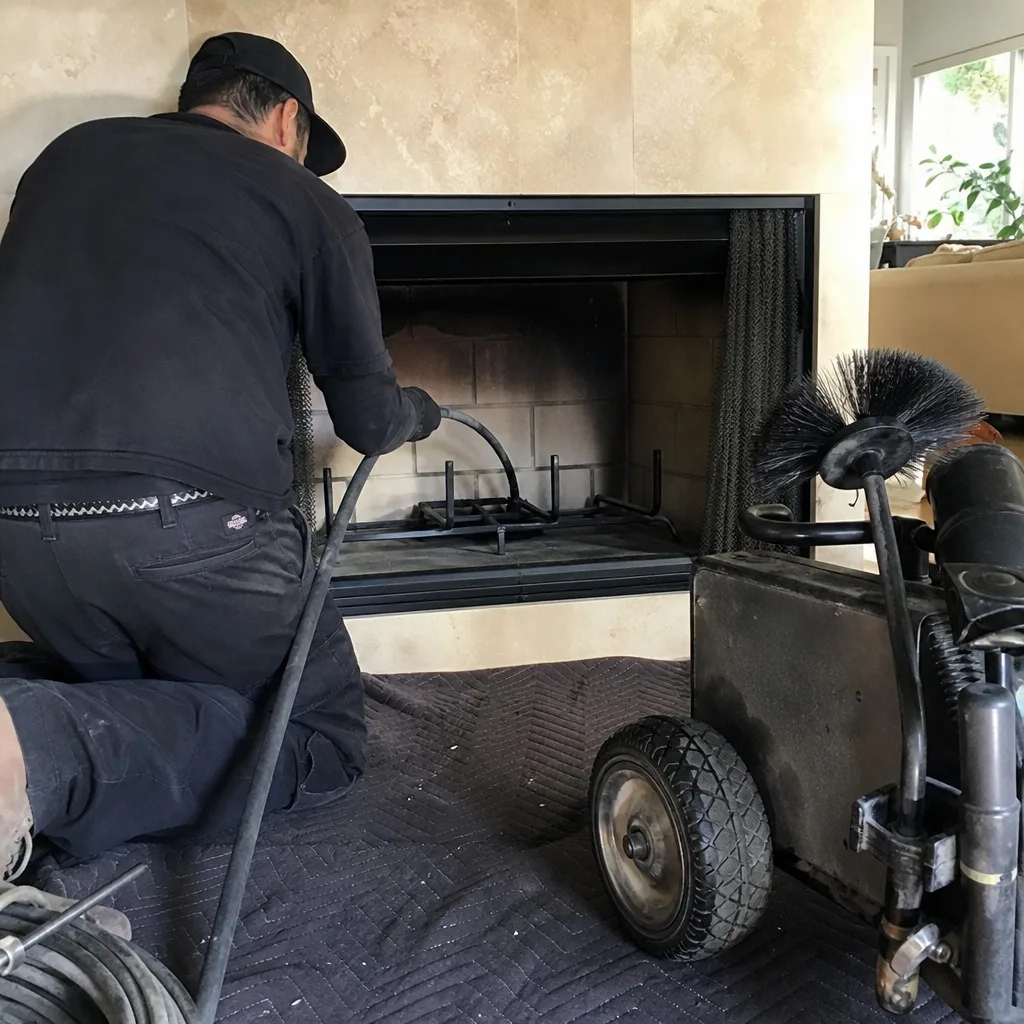 After
AfterFast, Reliable Chimney Repair Across Walnut Creek
Chimney repair in Walnut Creek typically costs $850-$3,800 depending on scope, and most masonry and liner jobs are scheduled and quoted in writing within 48 hours. We dispatch crews to Walnut Creek from our San Francisco Bay Area office, and we’ve worked the Northgate ranches, Saranap split-levels, and Lakewood Eichlers long enough to know what Diablo wind seasons do to masonry stacks here. Call (628) 300-1701 for a free written estimate - every quote includes a camera-scan inspection and documented photo record before any work begins.
Why Level Two Chimney Oakland Is Walnut Creek’s Preferred Chimney Repair Company
We’ve completed more than 38,000 chimney inspections and cleanings since 2009, and a significant share of those have been in the Diablo Valley. Walnut Creek homeowners find us because they read the three-star reviews first, and those reviews mention the same things: a named tech assigned to the job, a text when he’s on the way, and photos of what was actually found.
Our response time to Walnut Creek is typically next-day or second-day for inspection and quoting. Crews know the local housing stock - the 1950s-1970s ranch and split-level tract homes off Ygnacio Valley Road, the original clay tile liners, the crown and flashing failures that precede flue damage in this climate. That local knowledge means we don’t waste time diagnosing what we already understand about Diablo Valley masonry.
Every job is backed by our 365-Day Done Right Promise - if it’s not done right, we make it right. And we offer a Free Second Opinion on any written estimate from another company. Bring us their quote; we’ll inspect and document what we find.
Our Chimney Repair Services in Walnut Creek
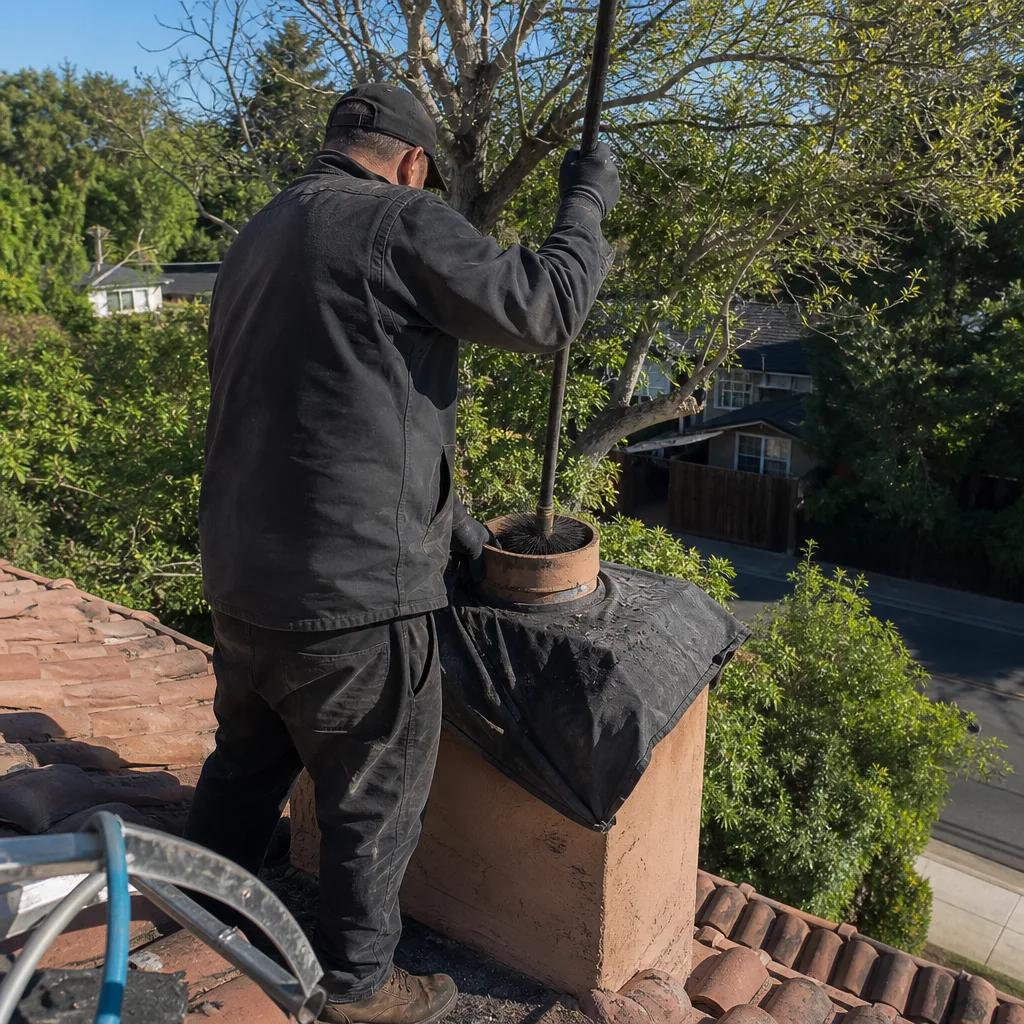
Chimney Waterproofing
Walnut Creek’s inland valley position creates one of the Bay Area’s most punishing masonry environments. Summer temperatures regularly exceed 100°F, baking moisture out of brick and mortar for six or seven months straight. Then winter rains arrive, and the parched masonry re-absorbs water rapidly. This expansion-contraction cycle destroys chimney crowns and mortar joints before the flue interior ever shows damage. We apply vapor-permeable waterproofing sealers from Olympia Chimney and Copperfield that let trapped moisture escape while blocking liquid water entry - critical for Northgate and Saranap ranches with original 1960s masonry. Every waterproofing job starts with a camera inspection to confirm the flue is sound before we seal the exterior; Clause 4 of the Haven Standard requires that photo record.
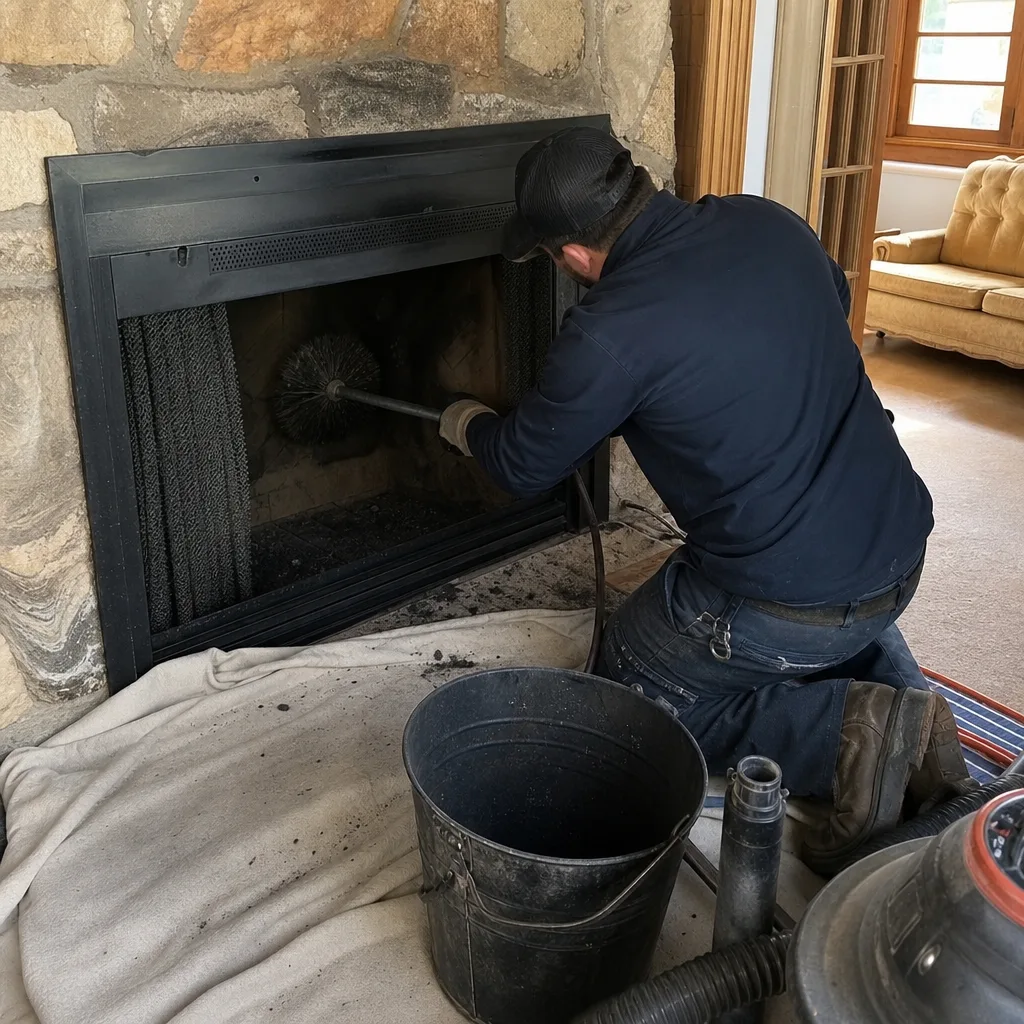
Chimney Rebuilding
When spalling brick, deteriorated mortar, and crown failure compound past the point of spot repair, partial or full chimney rebuilding becomes the honest recommendation. In Walnut Creek, we see this most often on homes where the original masonry stack was built without a proper cricket (the peaked diversion structure behind the chimney on sloped roofs), allowing decades of winter runoff to saturate the uphill brick face. Our rebuilds use materials procured through Haven’s buying network - DuraFlex liners, HeatShield resurfacing products, and specified brick matched for thermal expansion compatibility with the original structure. We deliver a written scope, written price, and written warranty before any demolition begins. Clause 1 of the Haven Standard: have it in writing.
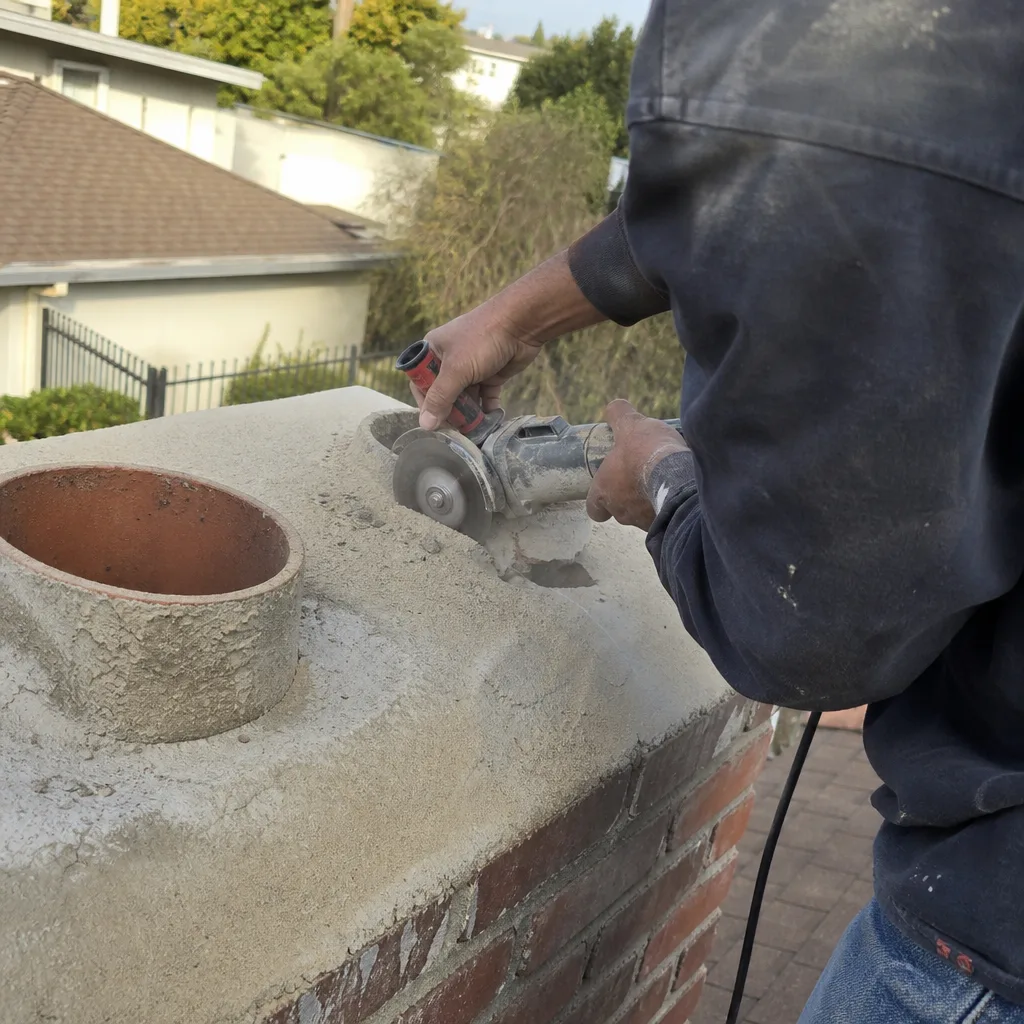
Mortar Repointing & Tuckpointing
Repointing - grinding out failed mortar to a proper depth and packing new, matched mortar into the joints - is the most common masonry repair we perform in Walnut Creek. The Diablo winds that funnel down from Mount Diablo accelerate mortar dehydration in unprotected stacks, and the subsequent winter wetting completes the damage. Tuckpointing, the cosmetic refinement of repointing for appearance-matching, matters more in visible-stack neighborhoods like Lakewood and the ranch courts off Northgate Drive. We specify Type N or Type S mortar based on the original construction and local freeze-thaw exposure, never the quick-setting bag mixes that some crews use to finish faster. The work is photographed before, during, and after under Haven Standard Clause 4.
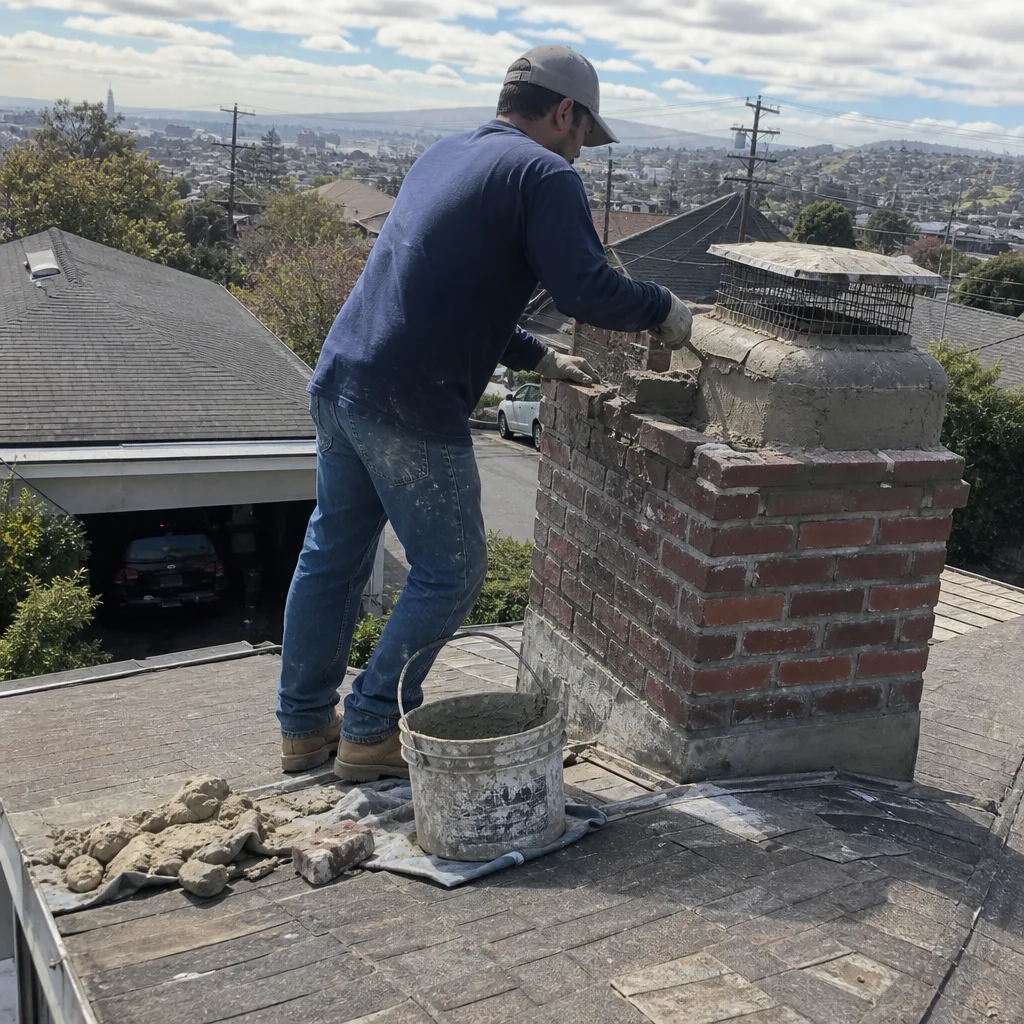
Spalling Brick Repair
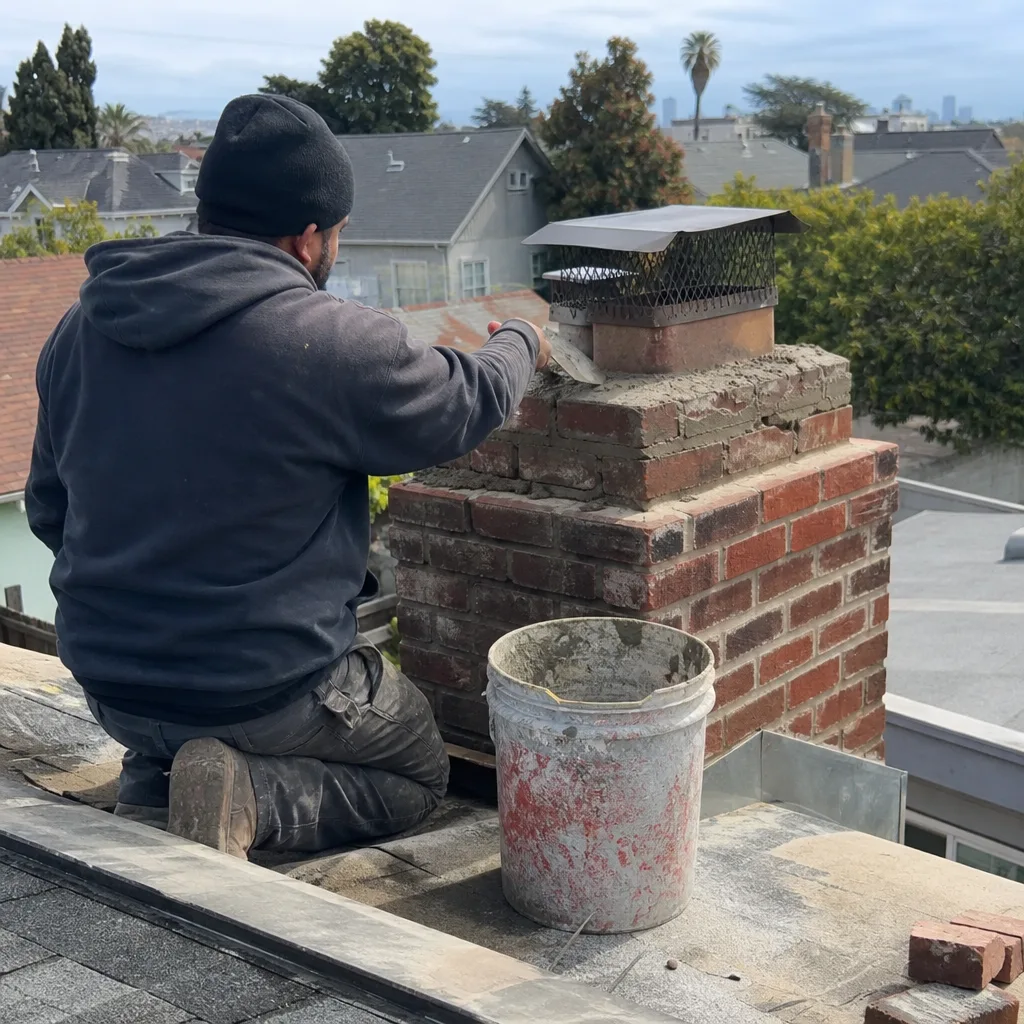
Spalling - the flaking and crumbling of brick faces caused by moisture trapped inside the masonry freezing and expanding - shows up everywhere in Walnut Creek’s older tracts. The freeze is brief but real on valley floor winter nights, and the summer heat that precedes it drives moisture deep into microcracks. We replace spalled units with matched brick and address the water source, which is almost always a cracked crown, failed flashing, or missing cap. Without fixing the water source, new brick spalls within two or three seasons. We say so plainly in the written scope.
Flashing Repair
Chimney flashing - the metal junction where the masonry meets the roof plane - fails predictably in Walnut Creek homes where thermal cycling has loosened the original fasteners and sealant. We use Famco and Copperfield flashing components, custom-fabricated or adjusted on-site for proper lap and drainage. Every flashing repair includes inspection of the adjacent roof decking and sheathing for hidden moisture damage; we photograph what we find and include it in the documented record. If the roof interface is compromised beyond flashing replacement, we state that in the written price before any work proceeds.
What happens when you call
- 1
A real person answersNo phone trees - you reach a local pro.
- 2
You get an upfront price rangeHonest numbers before anyone is dispatched.
- 3
A background-checked tech heads outLicensed & insured, dispatched right away.
- 4
You approve before work beginsNothing starts until you say go.
 Before
 After
AfterTrusted Brands We Service in Walnut Creek
We stock and install chimney repair materials from DuraFlex, HeatShield, Olympia Chimney, Famco, and Copperfield - sourced through Haven’s buying network to keep customer prices honest. For Walnut Creek customers, this means no waiting on special orders for standard liner components, caps, or flashing assemblies. Our trucks carry the inventory to complete most same-visit repairs after the inspection and written quote are accepted. When a Chimney Repair job requires custom fabrication - a copper cap for a visible Lakewood stack, for instance - we quote the lead time in writing with the price.
Common Chimney Repair Problems We See in Walnut Creek Homes
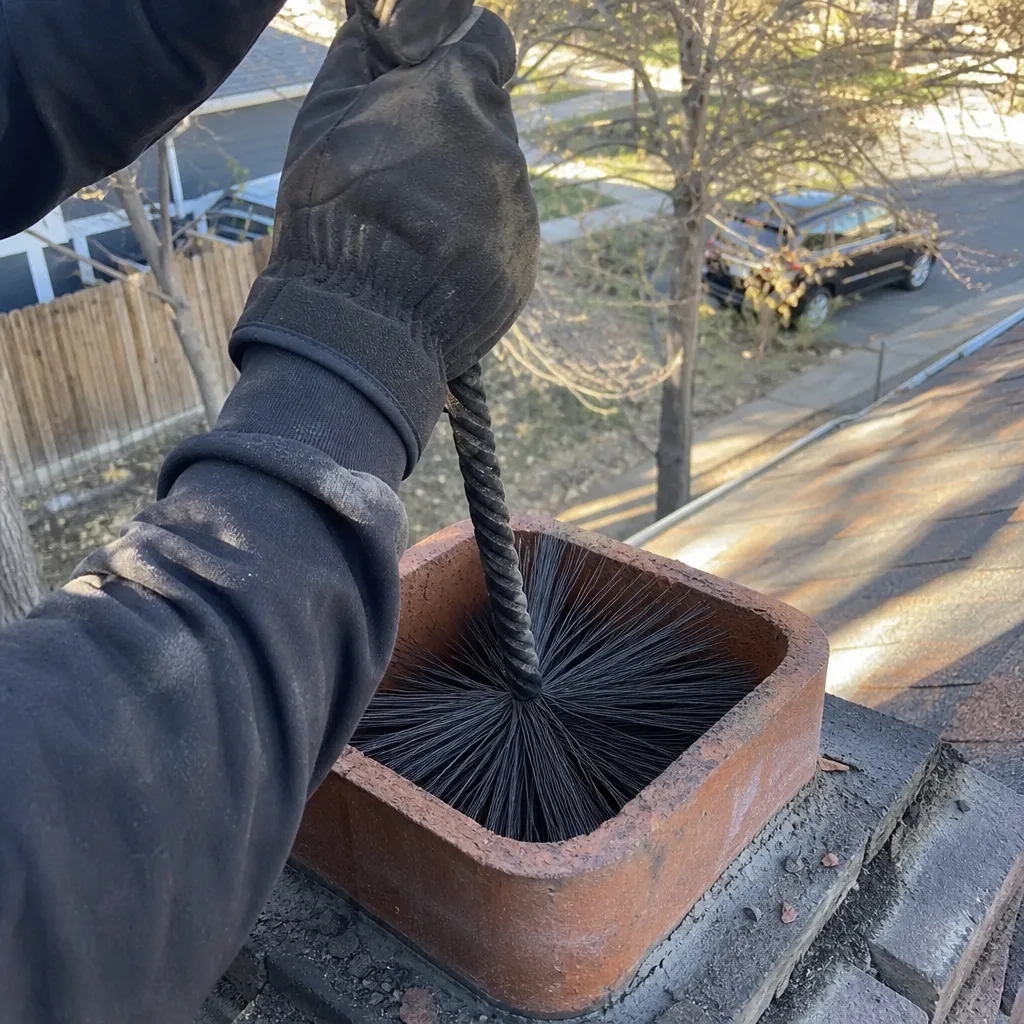
- Diablo wind debris packs in flues. Local technicians working the Northgate and Lakewood areas know to check for dry oak leaves, pine needles, and compacted animal nesting material that blow down unprotected flues each fall and sit undisturbed until the homeowner lights the first fire of November. This is not a sweeping issue alone; the debris pack often hides cracked liner and spalled mortar beneath.
- Clay tile liner failure in 1960s ranches. The original clay tile liners in Walnut Creek’s 1950s-1970s housing stock commonly show longitudinal cracks and spalled mortar at the smoke chamber, damage invisible until a Level 2 camera inspection clears the flue. Decades of extreme temperature cycling - near-freezing winter nights to 100°F+ summer afternoons - cause this, not misuse.
- Crown and flashing failure preceding flue damage. Because Diablo wind events funnel dry northeast air down Walnut Creek flues for months, unprotected masonry stacks dry out and then re-absorb winter rain, so the chimney crown and mortar joints - not the flue interior - are the first failure point in this city. That’s why we schedule crown and flashing repair alongside sweeping here rather than treating masonry as a separate winter job.
- Flash-ignition of off-season debris on first burn nights. Walnut Creek’s position adjacent to Mount Diablo open space means chimney swifts, starlings, and raccoons migrate into idle flues during the 6-7 month off-season. The abrupt return to heavy use on the first cold, non-restricted BAAQMD burn night ignites this material, causing smoke backup and house-fire calls. A fall inspection that includes debris removal and masonry assessment prevents this.
Pricing for Chimney Repair in Walnut Creek, CA
Here is what chimney repair costs in Walnut Creek’s market:
| Service | Typical Range |
|---|---|
| Mortar repointing (partial stack) | $850 - $1,800 |
| Spalling brick repair (localized) | $1,200 - $2,400 |
| Chimney waterproofing | $650 - $1,400 |
| Flashing repair | $750 - $1,600 |
| Chimney crown rebuild or pour | $1,400 - $2,800 |
| Partial chimney rebuild | $3,200 - $6,500 |
| Full chimney rebuild with liner | $6,800 - $14,000 |
Factors that move Walnut Creek jobs within these ranges: stack height and roof access difficulty, extent of hidden moisture damage to sheathing or framing, liner condition requiring HeatShield resurfacing or DuraFlex replacement, and brick matching for visible-stack properties. We do not give verbal ballpark figures. Every price is written, with scope and warranty, before work starts - Haven Standard Clause 1. Call (628) 300-1701 for a free written estimate; estimates include the camera inspection and photo documentation at no charge.
We Also Serve Cities Near Walnut Creek
Our crews repair chimneys throughout the Diablo Valley and adjacent hills. We regularly work in Lafayette, Orinda, Concord, and Piedmont - each with its own masonry conditions and local burn regulations. If you’re searching for Chimney Repair in Walnut Creek or nearby, the same inspection standard, written pricing, and documented photo record apply. Dispatch and scheduling are coordinated from our San Francisco Bay Area office; crews serve Walnut Creek locally.
Serving Walnut Creek, CA - Our Local Coverage Area
We’re based in the Walnut Creek area and know this community well. Use the map below to see our service coverage - if you’re nearby, we can almost certainly help.
FAQs - Chimney Repair in Walnut Creek
Because damage in Walnut Creek chimneys often originates from the exterior, not the firebox. Diablo wind events desiccate masonry for months; winter rain then saturates the dried mortar and crown concrete, causing spalling, cracking, and flashing separation regardless of how many fires you burned. The BAAQMD’s compressed burn windows mean many Walnut Creek homeowners use their fireplaces intensively on compliant nights after months of zero use - and that’s when hidden masonry failures reveal themselves as smoke backup or worse. Call (628) 300-1701 for a free written estimate and camera inspection.
Yes, but not in the direction most homeowners assume. The ban compresses all legal wood-burning into short winter windows, so Walnut Creek residents tend to burn heavily on compliant nights after long idle periods. That pattern produces more third-degree glazed creosote (which a brush alone cannot remove) and allows debris packs to accumulate undisturbed for months. We recommend fall inspection and sweeping before the first restricted-season cold snap, with masonry assessment included - not the mid-season cleaning schedule that might work in climates with steady winter use. Call (628) 300-1701 to schedule before burn season.
They are compacted accumulations of dry oak leaves, pine needles, and animal nesting material - raccoon bedding, swift twigs - that blow down unprotected flues during northeast Diablo wind events in late summer and fall. In Northgate and Lakewood, where mature oak canopy meets open terrain toward Mount Diablo, these packs can fill a flue to the smoke chamber. They sit dry and undisturbed until the first fire of November, when they ignite or block draft. Our field vignette: on a Saranap ranch off Ygnacio Valley Road, our tech pulled a flue-full pack of dry oak leaves and compacted raccoon nesting material that had blown down during an October Diablo wind event, then found the original clay tile liner cracked longitudinally with spalled mortar at the smoke chamber - invisible until a Level 2 inspection. We installed a HeatShield liner resurfacing, repointed the firebox mortar, set a new stainless chimney cap, and the homeowner got a working damper and a safe first fire on the next compliant burn night. Call (628) 300-1701 for inspection.
Often, yes. Longitudinal cracks and spalled mortar at the smoke chamber - the most common failure we find in Walnut Creek’s 1950s-1970s housing stock - can frequently be addressed with HeatShield cerfractory resurfacing or a DuraFlex stainless liner insert, avoiding the cost of full masonry demolition. The determination requires a Level 2 camera inspection to assess crack pattern, liner joint condition, and surrounding masonry integrity. We deliver that assessment with photos, a written scope, and a written price before any repair is proposed. Call (628) 300-1701 for a free second opinion if another company has recommended rebuild.
Because Walnut Creek’s specific climate sequence - extreme summer desiccation followed by winter wetting - attacks exterior masonry first. The Diablo winds that funnel down from Mount Diablo accelerate mortar dehydration in unprotected stacks; when winter rains arrive, the parched concrete crown and mortar joints absorb water rapidly, freeze overnight, and spall. The flue interior, protected from direct wind and rain, often remains sound longer. That’s why we schedule crown and flashing repair alongside sweeping here rather than treating masonry as a separate winter job. Catching crown failure early prevents the water intrusion that eventually destroys liners and fireboxes. Call (628) 300-1701 for a free written estimate.
Written by Corrine Halstead, Owner at Level Two Chimney Co., serving Walnut Creek and the Diablo Valley since 2009.