
Last updated September 22, 2026
Level 1 sweep and inspection to the NFPA 211 annual standard - flue, crown, cap, and flashing checked and photographed
Chimney sweep logs do not sweep chimneys. They loosen some creosote - which then falls where a brush and vacuum still have to collect it.
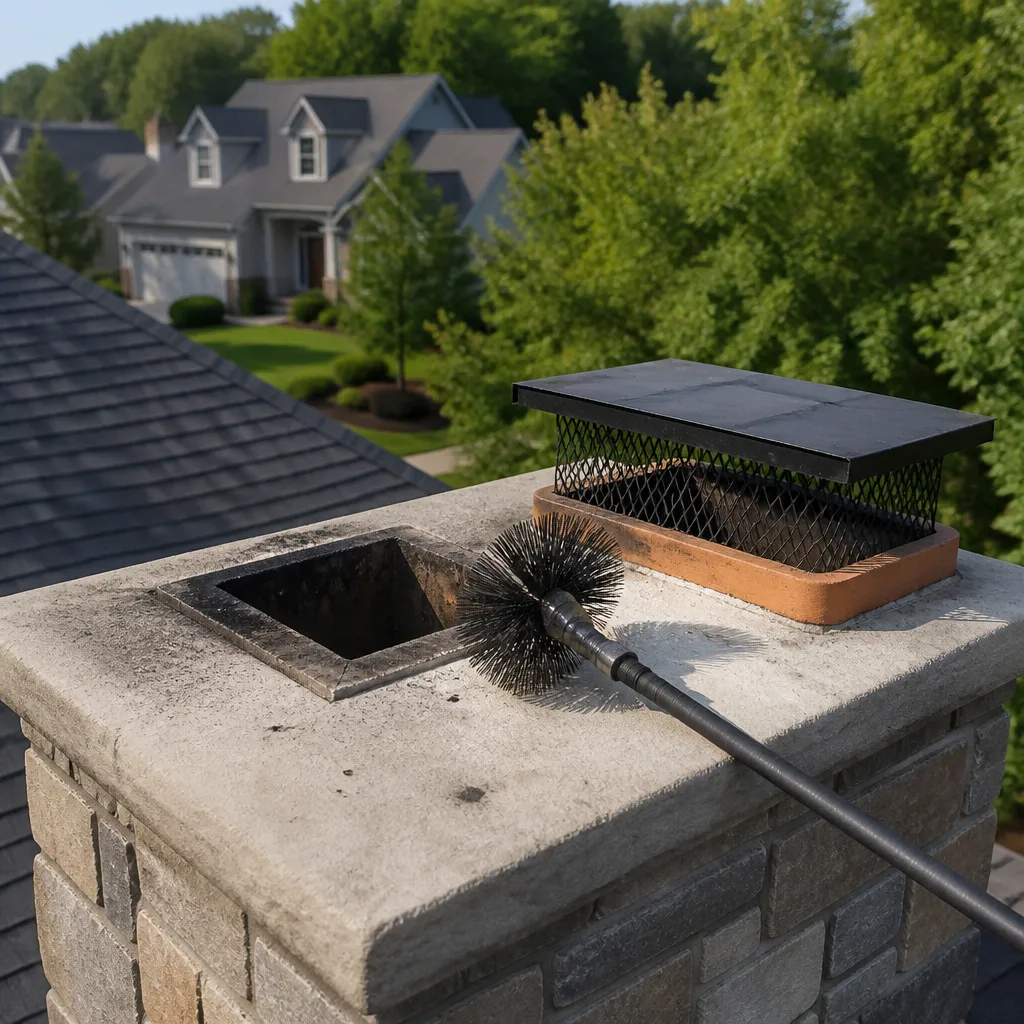
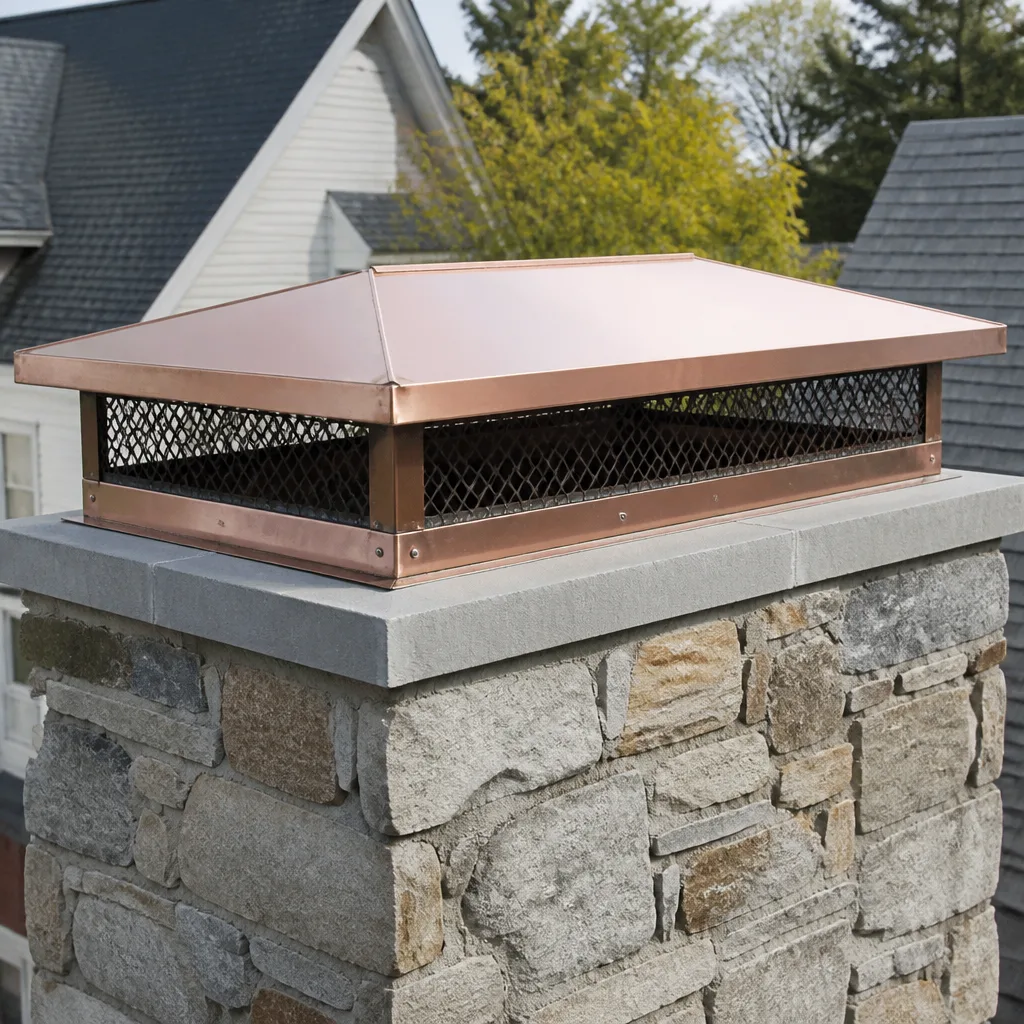
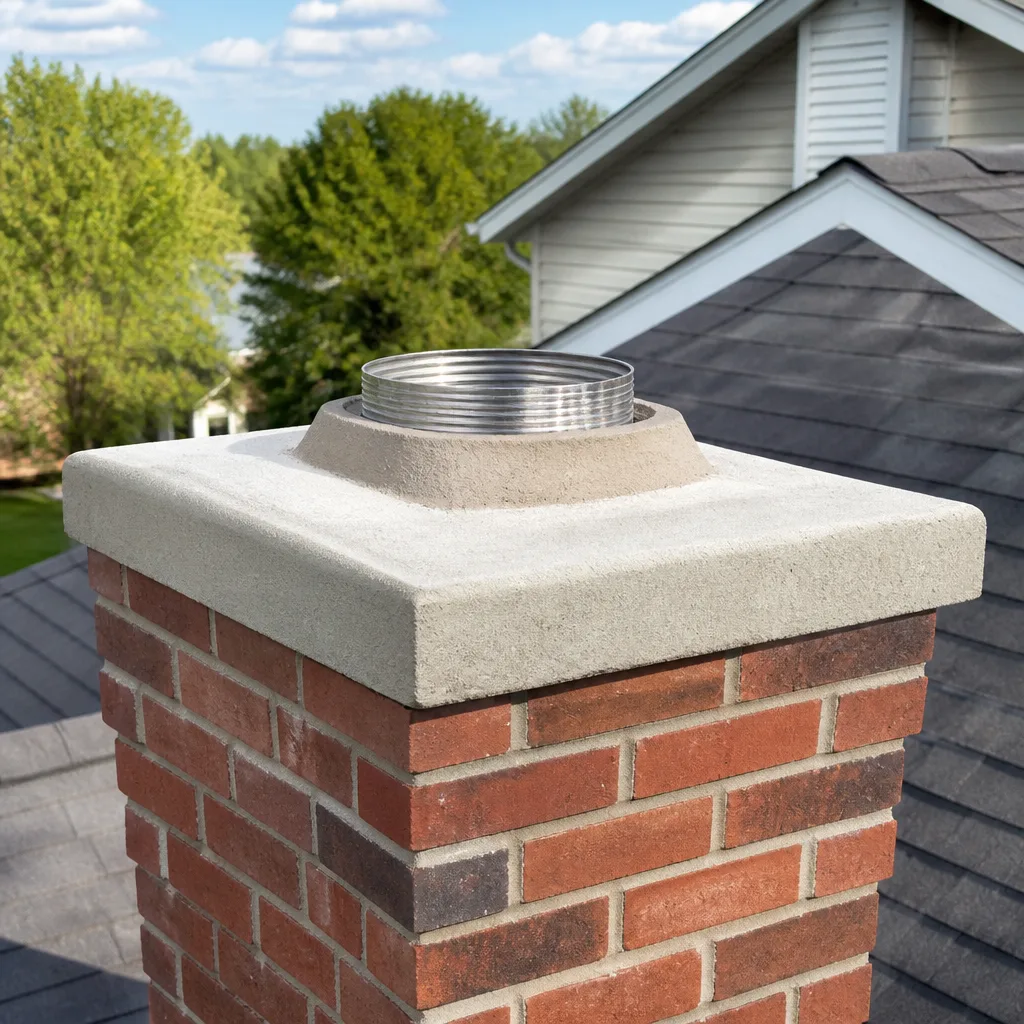
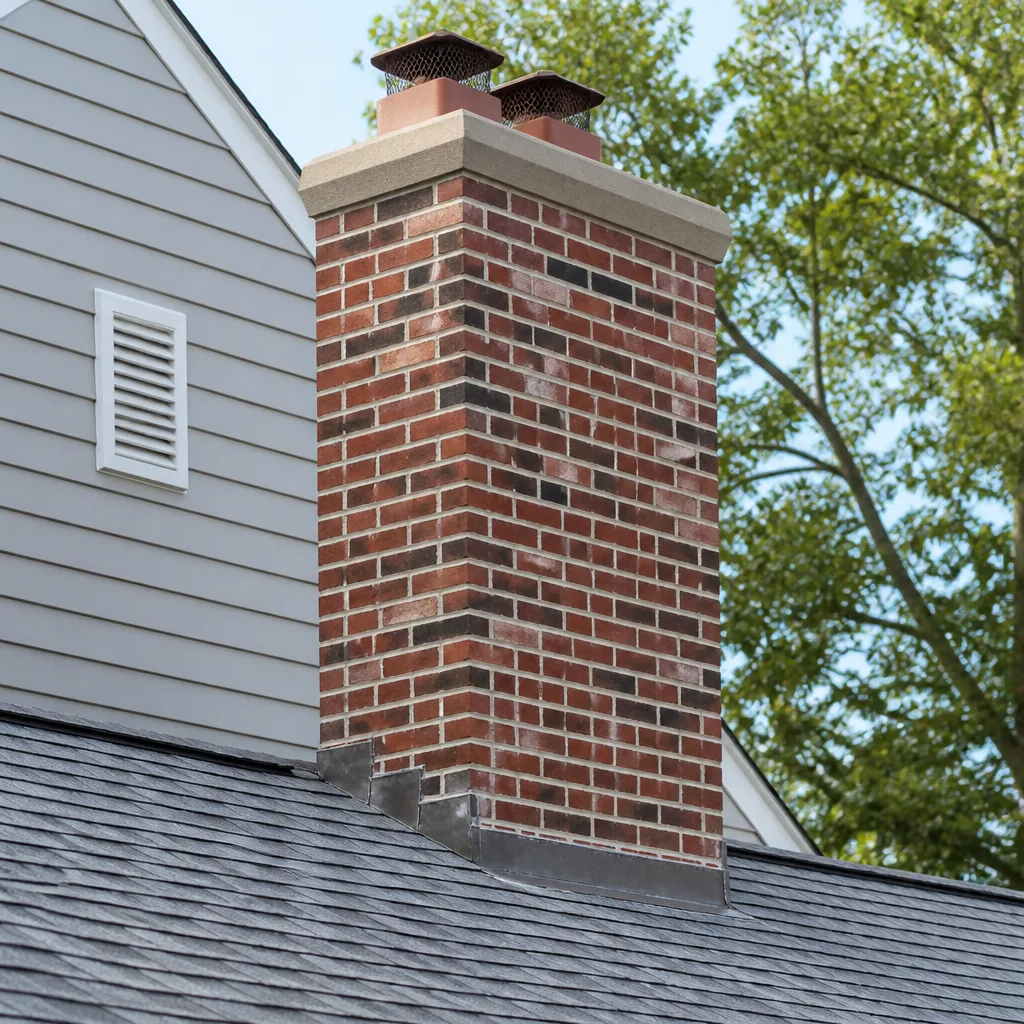
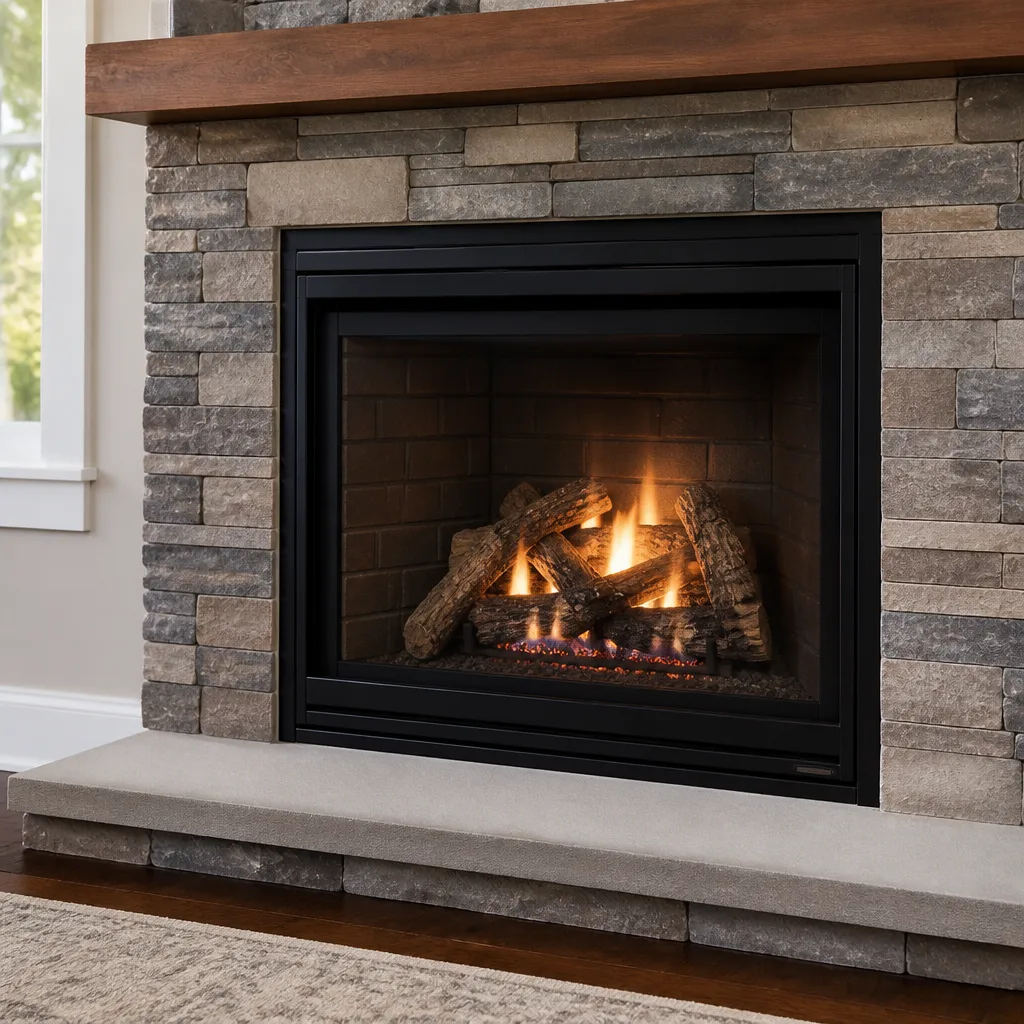
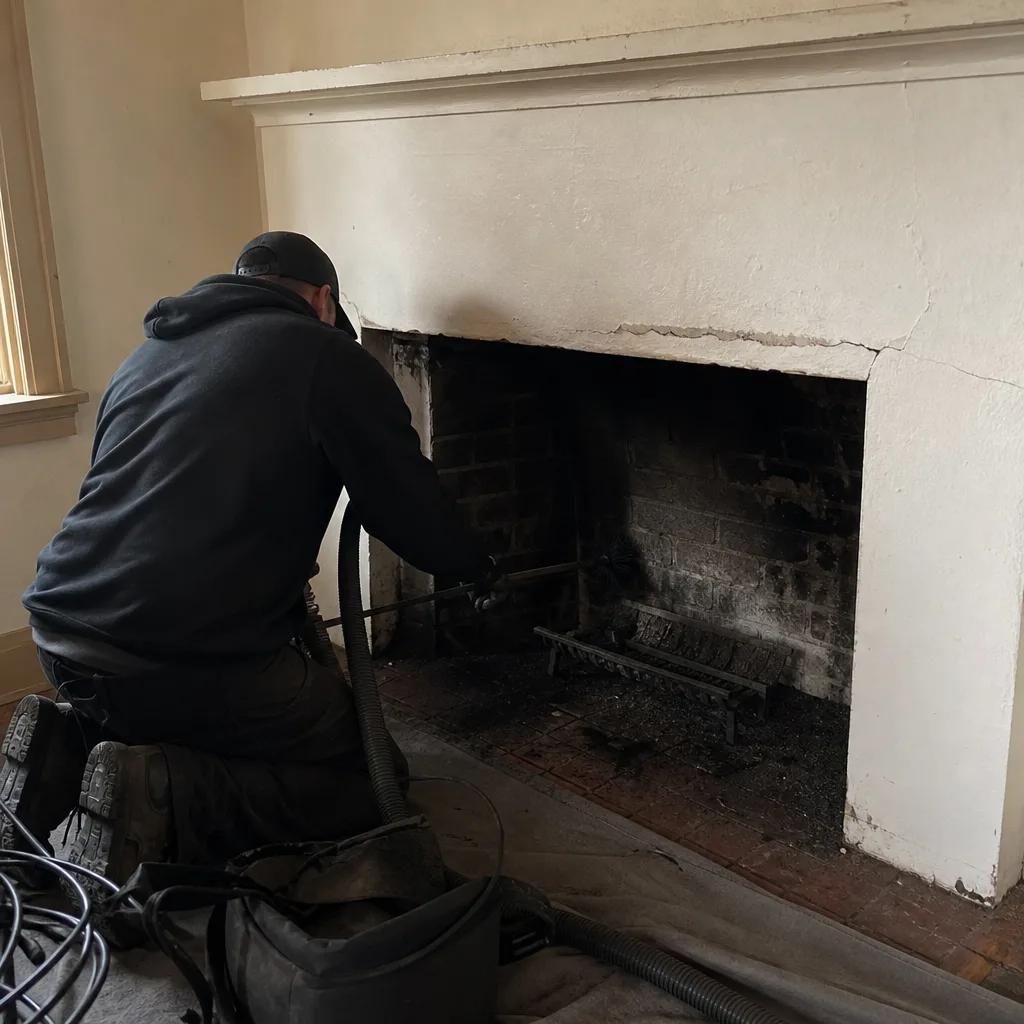 Before
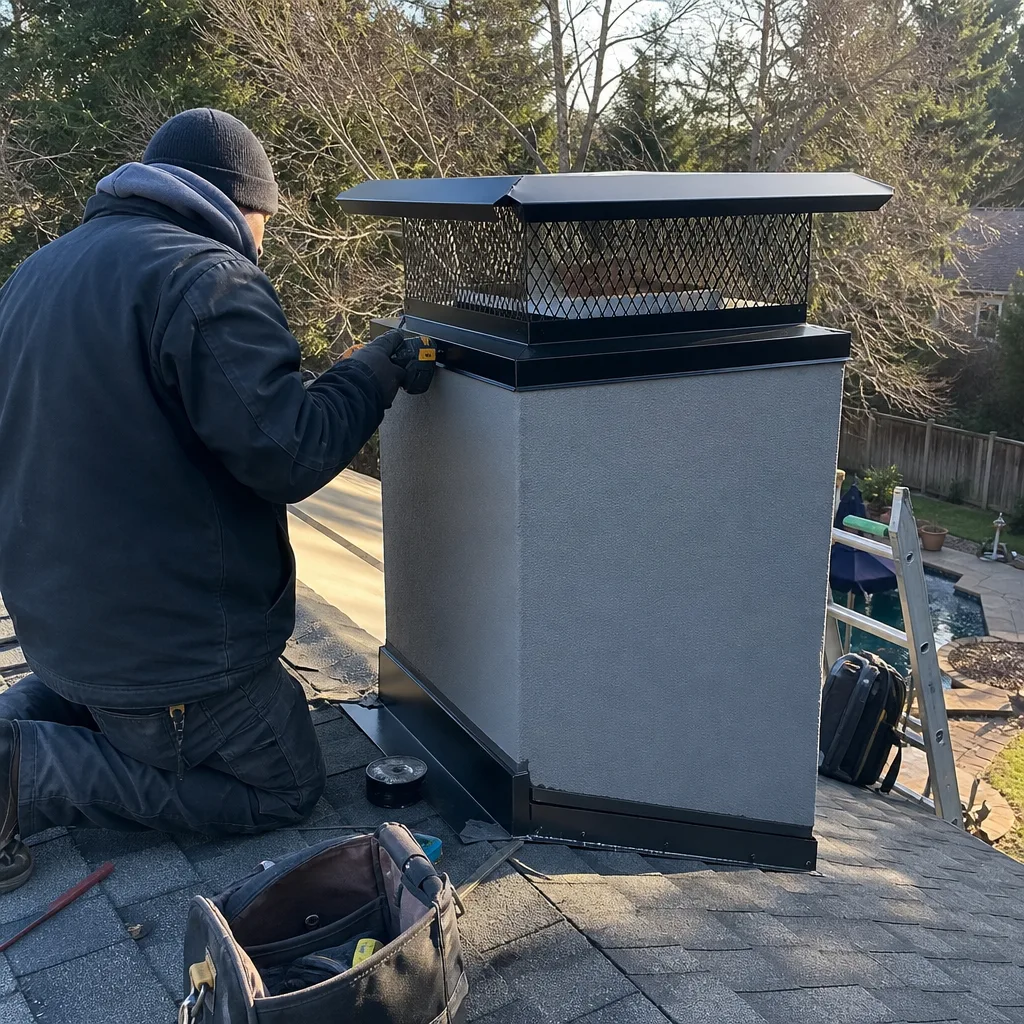 After
After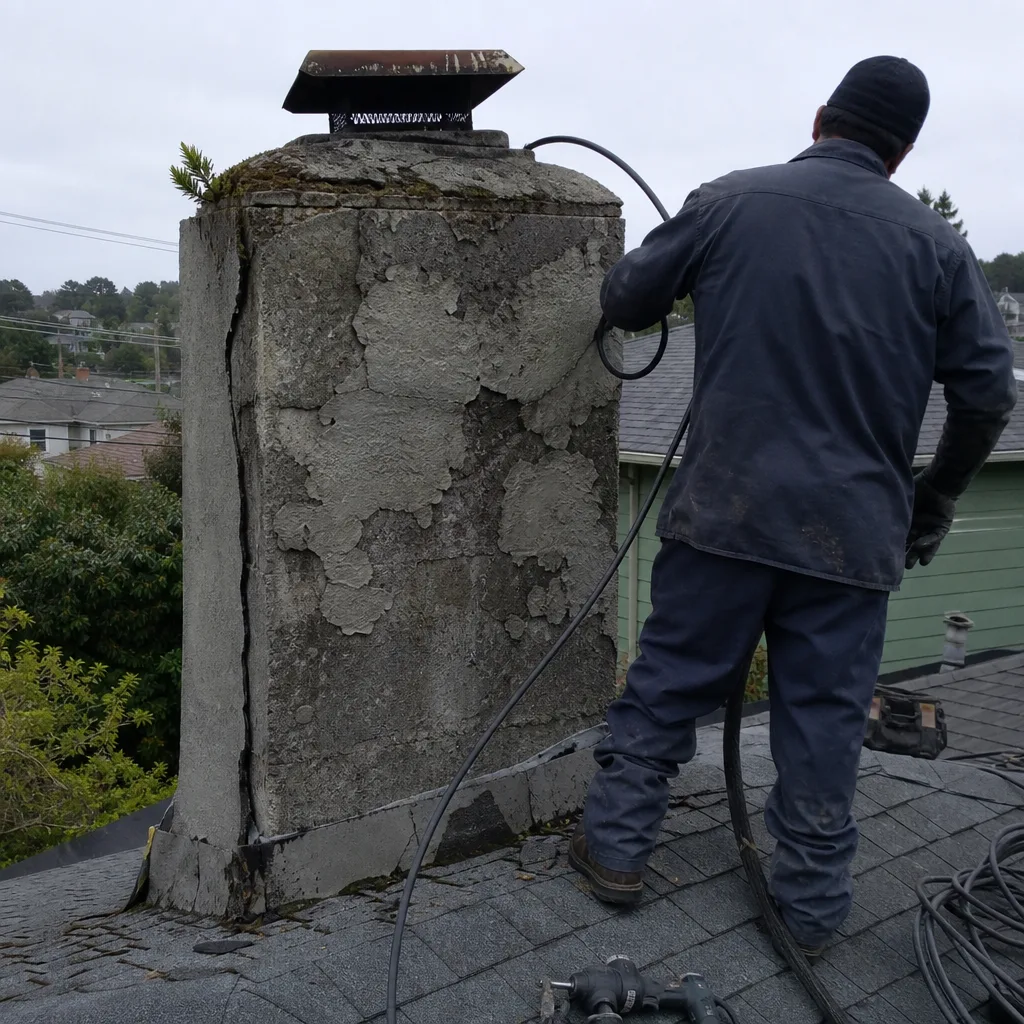 Before
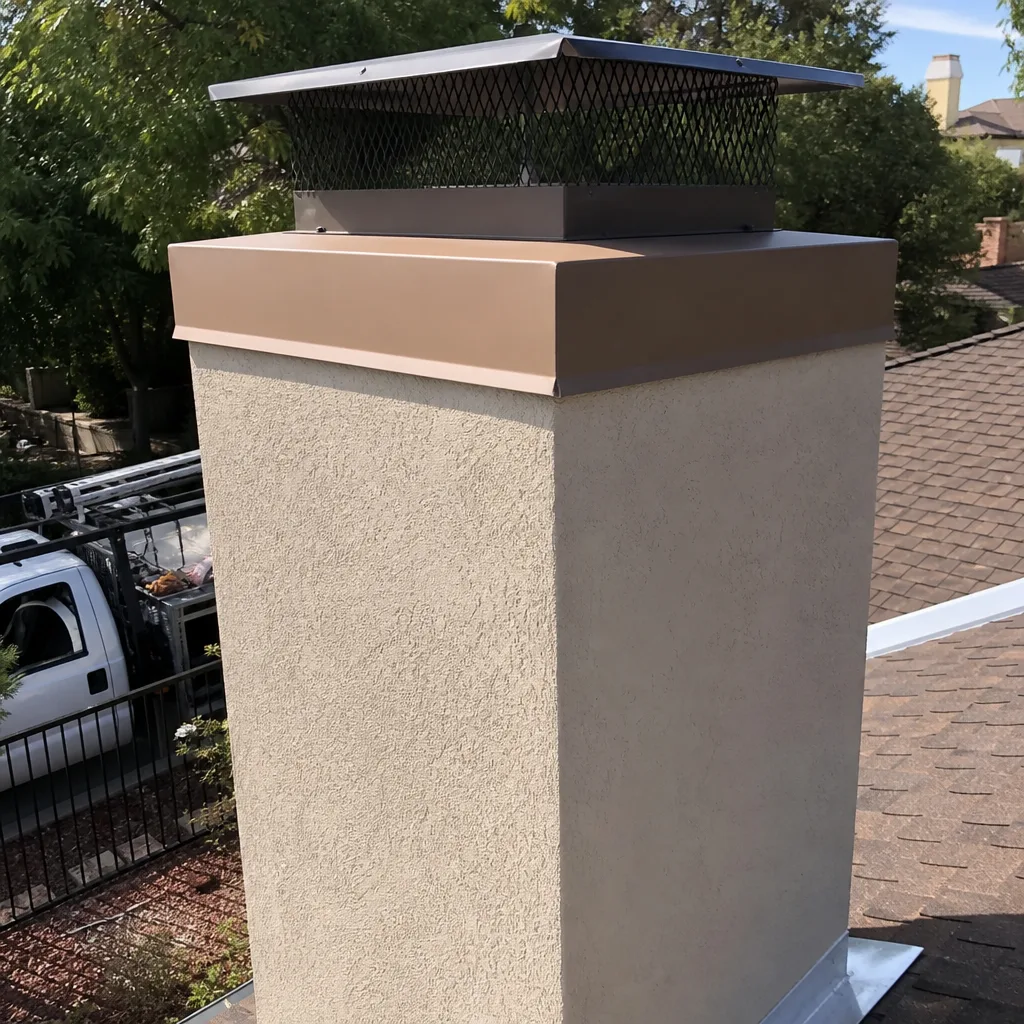 After
After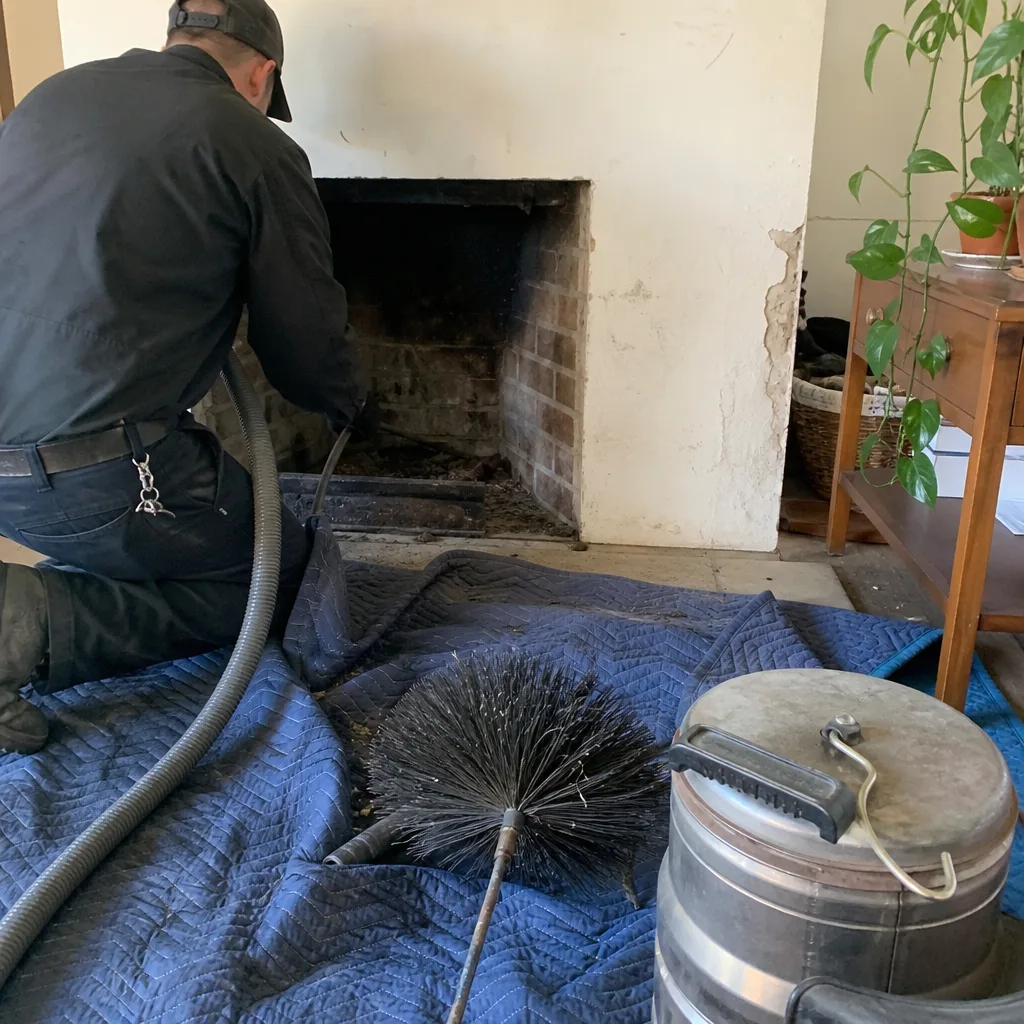 Before
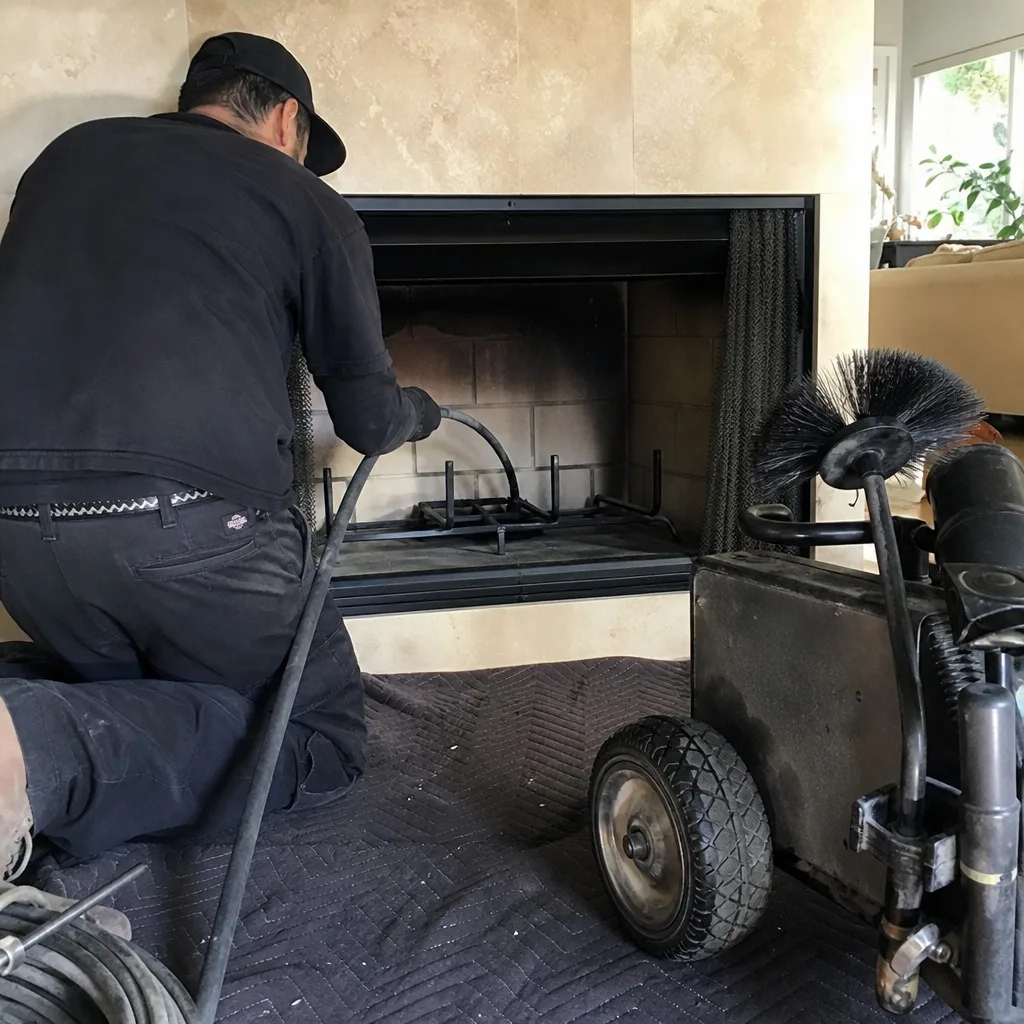 After
AfterHow to Hire a Chimney Cleaning Contractor in Oakland: A Step-by-Step Guide
Searching “chimney sweep Oakland” returns dozens of companies; at least three of the top Google results currently advertise a “free inspection” that consists of a technician shining a flashlight into the firebox from ground level. NFPA 211, the national standard for chimney safety, explicitly classifies that method as insufficient for any real inspection finding. In Oakland’s market, where Victorian-era masonry in Rockridge sits alongside mid-century fireplaces in the Oakland Hills, the price gap between a $79 coupon sweep and a camera-documented inspection matters less than this: only one produces a record your insurer will accept after a fire. This guide teaches you to disqualify the wrong contractors before asking about price.
Quick Answer
Hiring a chimney cleaning contractor in Oakland means verifying three things before scheduling: camera inspection capability, written upfront pricing, and a signed report with your invoice. Start with the CSLB license check, ask the three vetting questions by phone, and reject any contractor who gives verbal-only estimates or “free inspection” offers that skip the flue camera.
Table of Contents
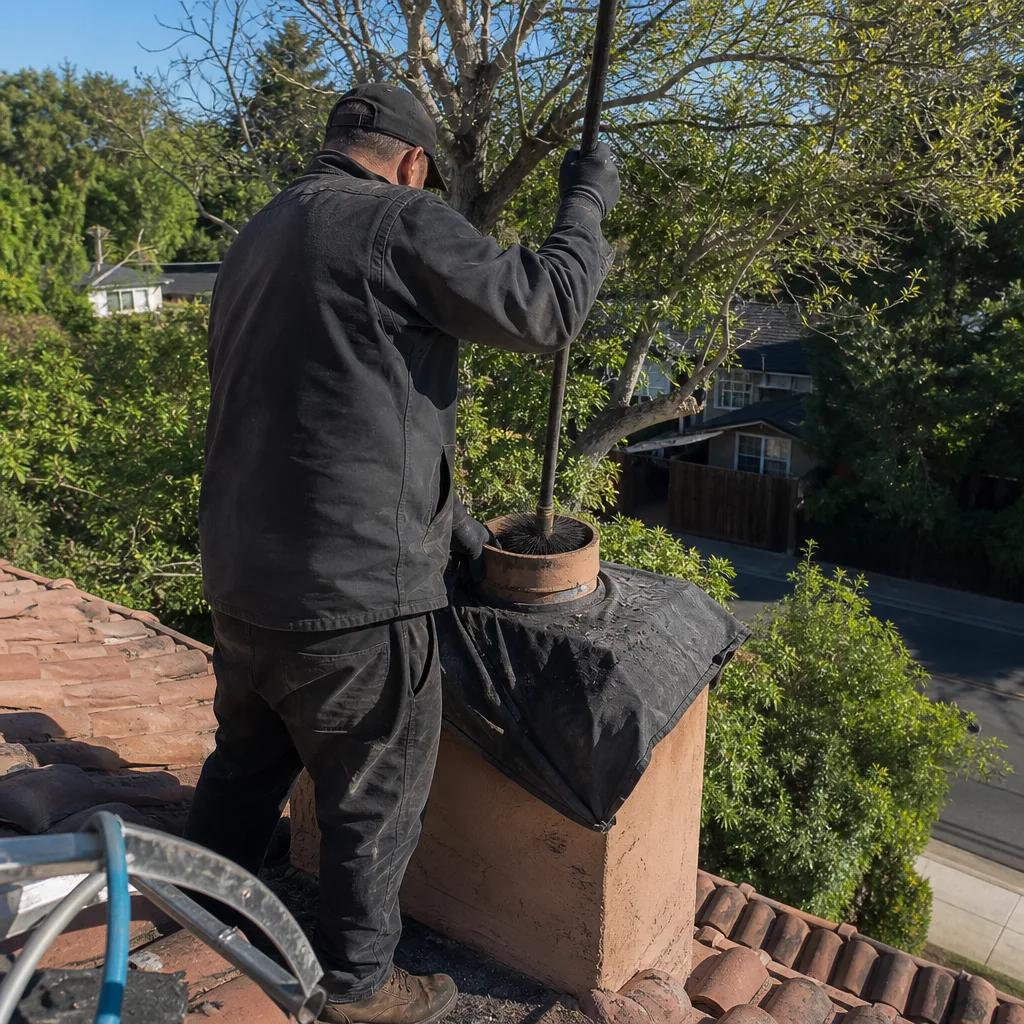
- Why the Lowest Price Is the Most Expensive Choice
- The Three Questions to Ask Before Scheduling
- CSIA vs. NFI vs. No Certification: What Matters in California
- How to Verify a Contractor’s License in 90 Seconds
- Red Flags Specific to Oakland’s Chimney Market
- What a Legitimate Written Estimate Must Contain
- Oakland-Specific Factors That Affect Your Chimney
- Common Mistakes to Avoid
- When to Call a Professional
- Frequently Asked Questions
- The Bottom Line
 Before
 After
AfterWhy the Lowest Price Is the Most Expensive Choice
The $79 chimney sweep coupon is a staple of Oakland’s home services market. We’ve seen them in mailers from Montclair to the Waterfront. What the coupon doesn’t explain: that price covers brushing the firebox and maybe running a brush up the first few feet of flue. For a full Chimney Cleaning Cost Breakdown: The Oakland Homeowner’s Reference for 2026, see our detailed pricing guide. It does not include a camera inspection of the full flue liner, a smoke chamber evaluation, or documentation of creosote classification. When a chimney fire later damages your Oakland Hills home and your insurer asks for inspection records, that coupon sweep produces nothing.
Here’s the cost breakdown we’ve observed across the Oakland market:
- Coupon sweep ($79-$129): Firebox brushing, no camera, no written report, no flue liner assessment. Technician often paid commission on upsells discovered mid-visit.
- Mid-tier sweep with basic inspection ($180-$280): Full flue brushing, flashlight/visual inspection from top and bottom, handwritten checklist. May or may not include photos.
- NFPA 211 Level 2 inspection with sweep ($280-$450): Camera scan of full flue liner, smoke chamber inspection, documented photo record, written scope and price before work, signed report with invoice. This is what Chimney Cleaning & Sweep in Oakland should mean.
The gap between tier one and tier three in Oakland is roughly $200. The gap in liability exposure if something goes wrong is your entire deductible plus potential coverage denial. We’ve reviewed competitor estimates brought in for our Free Second Opinion service, and the pattern repeats: the low-price sweep finds “urgent” liner damage that a camera inspection would have shown to be minor spalling, or misses actual liner gaps that a flashlight cannot reveal.
Clause 4 of the Haven Standard exists because of exactly this problem. We made camera-scan documentation the default in 2009, years before California insurers began requesting it. Every one of the 38,000+ chimneys we’ve inspected and cleaned since then has a written price before work started and a documented record when it was done.
The Three Questions to Ask Before Scheduling
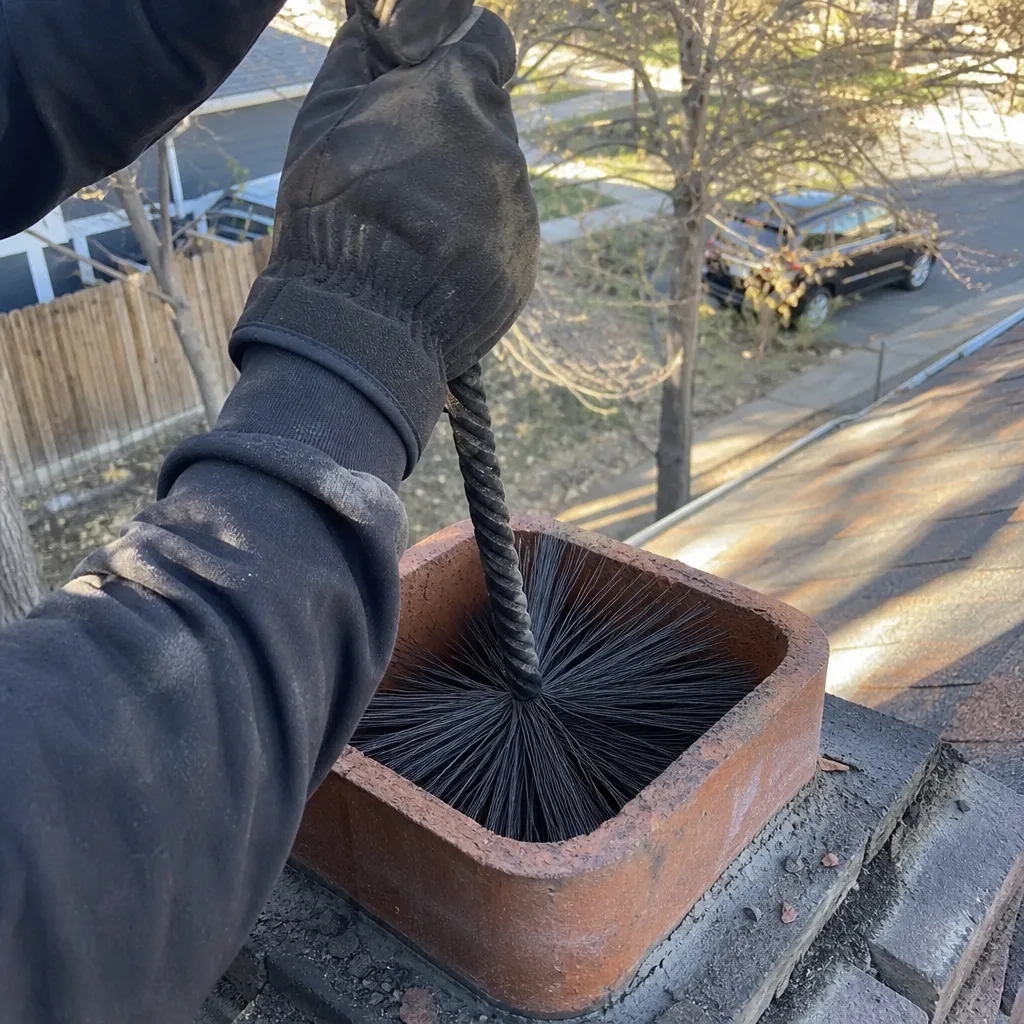
After verifying license status (see next section), call three contractors and ask these questions in this order. The answers separate documentation-based companies from marketing-based ones.
Question 1: Do you carry camera equipment on every truck?
The correct answer is yes, every truck, every day, no exceptions. Some companies own one camera shared among six crews. If your appointment falls on a day the camera is elsewhere, you get a flashlight inspection billed as “visual.” In Oakland’s older housing stock, particularly the unreinforced masonry chimneys common in Temescal and Grand Lake, a flashlight inspection misses liner separation behind the smoke chamber that a camera catches immediately.
Ask the follow-up: “Will the technician show me the camera footage during the visit?” A company confident in its documentation does this without hesitation.
Question 2: Do you provide a written price before work starts?
Haven Standard Clause 1, H.A.V.E.N. “Have it in writing,” requires exactly this: a written price, written scope, and written warranty delivered before anyone starts, not after the tech is already in your home. The wrong answer sounds like “Our technician will review everything on site and give you pricing then.” That model creates pressure in your living room and incentivizes finding problems.
The written price should specify:
- Exact scope of cleaning (firebox, smoke chamber, flue, damper)
- Inspection level performed (Level 1, 2, or 3 under NFPA 211)
- What documentation you receive (photos, video, written report)
- Warranty terms and duration
Question 3: Will I receive a signed report with my invoice?
The report should be signed by the technician who performed the work, with their certification number, and should include photo documentation of findings. Not a carbon-copy checklist. Not an email with generic stock photos. A signed, dated report specific to your chimney, with images of your flue liner, your smoke chamber, your crown condition.
Any contractor who hesitates on any of these three questions should be disqualified. The price quote they eventually give you is irrelevant if the documentation won’t protect you later.
CSIA vs. NFI vs. No Certification: What Matters in California
California does not require chimney-specific certification to operate a sweep business. The CSLB license covers general construction; chimney work falls under the C-29 Masonry classification or C-61/D-49 Specialty Service. This means certification is voluntary, and its absence doesn’t equal illegality. But its presence signals something important about documentation standards and liability exposure.
CSIA Certified Chimney Sweep (Chimney Safety Institute of America): Requires passing a written exam, agreeing to a code of ethics, and continuing education every three years. CSIA emphasizes inspection standards and documentation. A CSIA-certified sweep should know NFPA 211 levels by heart. In our experience, CSIA certification correlates with companies that invest in camera equipment and formal reporting.
NFI Certified (National Fireplace Institute): Focuses on installation of hearth appliances, gas inserts, and factory-built fireplaces. More relevant if you’re buying a new insert than if you’re maintaining historic masonry. An NFI-certified technician without CSIA training may be excellent at installation but less rigorous about flue liner documentation.
No certification: Common in the coupon-sweep segment. The technician may have learned on the job with no standardized training in creosote classification, liner assessment, or NFPA reporting requirements. This doesn’t mean incompetence, but it means no third party has verified their knowledge of inspection documentation standards.
For Oakland homeowners, we recommend prioritizing CSIA certification for inspection and sweep work, NFI for installation work, and treating uncertified operators as high-risk for anything beyond surface cleaning. Ask for the technician’s certification number before booking, then verify it on the CSIA or NFI website. Takes 60 seconds.
How to Verify a Contractor’s License in 90 Seconds
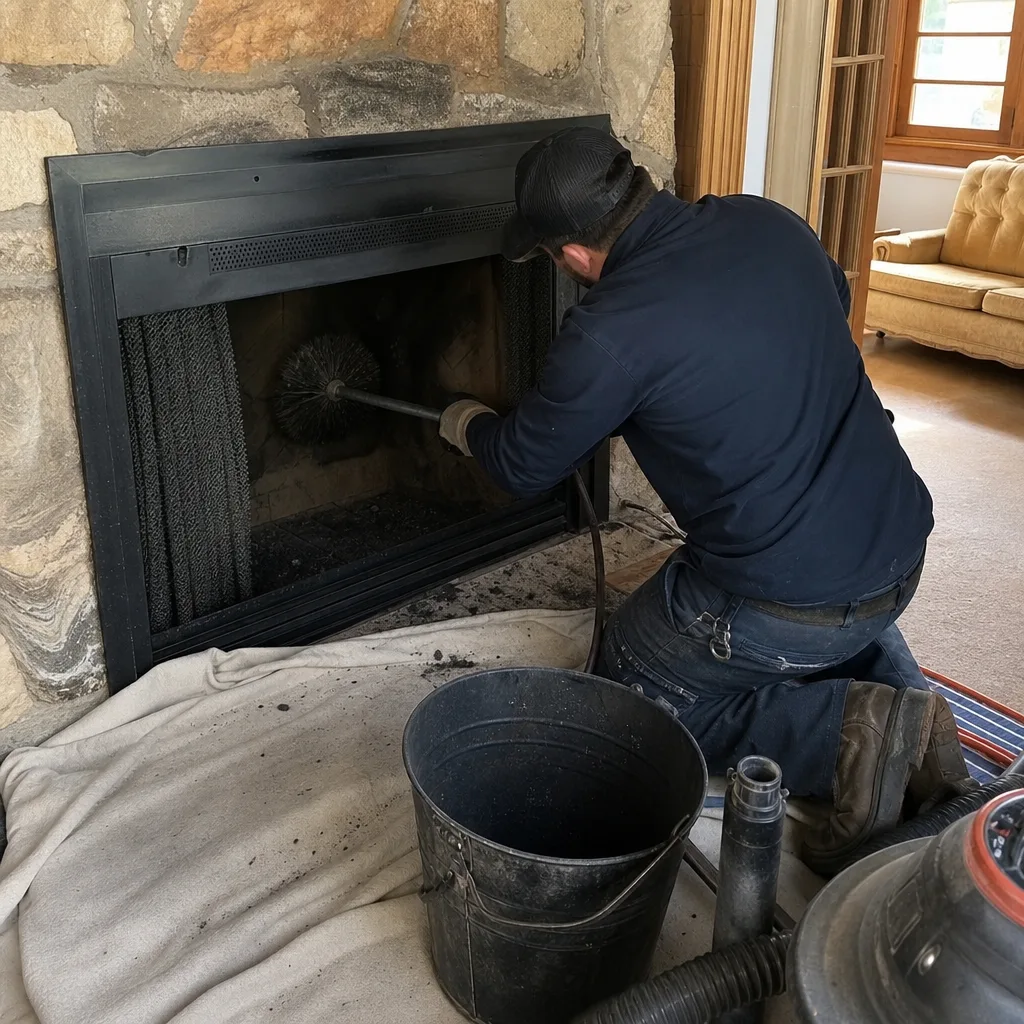
Most homeowners skip this step. In a market with as much door-to-door solicitation as Oakland sees after every chimney fire in the Hills, it’s the most important 90 seconds you’ll spend.
- Go to cslb.ca.gov/OnlineServices/CheckLicenseII/
- Enter the company’s license number. They must provide this when asked. If they hesitate, that’s a flag.
- Check three things on the results page:
- Status: Must show “Active”
- Classification: Should include C-29 (Masonry) or C-61/D-49 (Specialty Service) for chimney work
- Workers’ compensation: Must show “Certificate on file” if the company has employees; “Exempt” if sole proprietor only
- Click “View Bond/Historical Information” and verify the bond is current. In California, contractors must carry a $25,000 bond.
We’ve encountered unlicensed operators in Oakland using expired licenses or classifications that don’t cover chimney work. One company we reviewed for a Free Second Opinion had an active C-36 Plumbing license and no masonry classification at all, yet advertised full chimney rebuilds. The CSLB check would have caught this in under two minutes.
Save the CSLB verification screenshot. If something goes wrong, it’s your first document in any dispute.
Red Flags Specific to Oakland’s Chimney Market
Oakland’s housing density, older housing stock, and recent fire history in the Hills create conditions that attract low-quality operators. Watch for these patterns:
Door-to-door solicitation after a neighbor’s fire. Legitimate chimney companies in Oakland do not canvas neighborhoods after fires. The “I was just in the area” contractor is typically unlicensed, uninsured, and counting on your anxiety to skip vetting. In 2017 and again in 2022, Oakland Fire Department issued warnings about this exact pattern in the Oakland Hills and Montclair districts.
“Inspection included free with cleaning.” This reverses the proper order. NFPA 211 specifies that inspection determines whether cleaning is needed and to what extent. A free inspection bundled with cleaning means the inspection isn’t determining anything, it’s a sales tool. The “inspector” finds enough to justify the cleaning you already paid for, then discovers additional “urgent” issues.
Verbal-only estimates. Any contractor who won’t put scope and price in writing before work starts is avoiding accountability. Haven Standard Clause 1 exists because we’ve seen too many Oakland homeowners told “$350, maybe $400” on the phone, then handed a $2,400 invoice with no prior documentation. Get it in writing, or don’t schedule.
Pressure to decide immediately. “I can do it today for this price, but I need to know now.” This is urgency theatre, and it’s a standard tactic of traveling crews that follow weather events. Your chimney condition didn’t appear overnight; it doesn’t require same-day commitment.
No local address or vague service area. “Bay Area-wide service” with no Oakland office or local phone prefix. These operations often subcontract to uncertified day laborers and disappear after payment.
What a Legitimate Written Estimate Must Contain
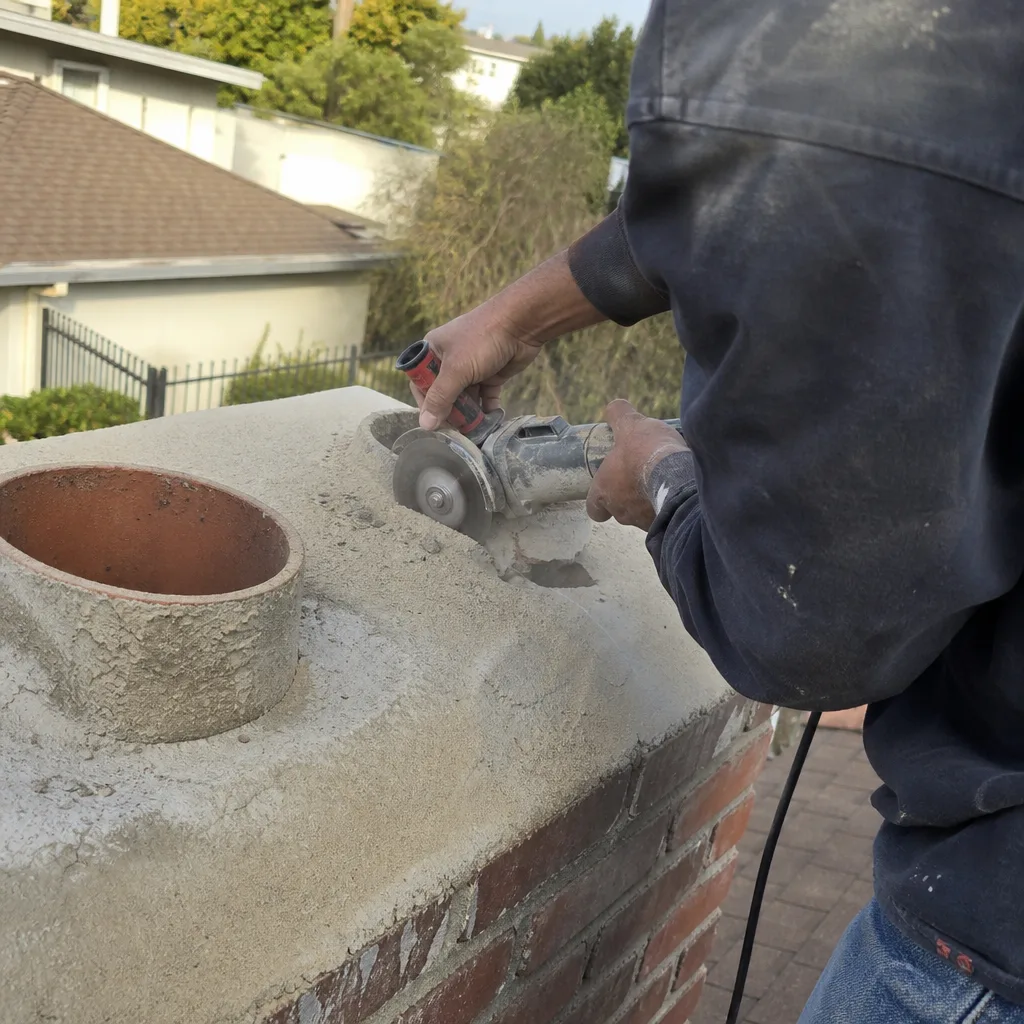
A proper estimate is a contract preview. It should contain enough detail that another qualified technician could review it and understand exactly what was proposed. Here’s what we deliver under Haven Standard Clause 1, and what you should demand from any contractor:
- Property address and date. Specific to your home, not a generic template.
- Scope of work with NFPA 211 inspection level specified. “Level 2 inspection including video scan of full flue liner from firebox to crown” not “inspect chimney.”
- Material callouts by brand and specification. If liner repair is proposed: “HeatShield cerfractory foam application to 12 linear feet of terracotta flue liner, per manufacturer spec.” Not “fix liner.”
- Labor and material breakdown, or flat-rate total with explanation. Either format works; ambiguity doesn’t.
- Warranty terms with duration and conditions. “365-Day Done Right Promise: if it’s not done right, we make it right.” Or equivalent specific language.
- Technician certification number and company license number. For accountability and CSLB verification.
- Expiration date. Typically 30 days. No expiration date suggests the price isn’t firm.
We use materials from HeatShield, Gelco, Olympia Chimney, and Famco, procured through Haven’s buying network specifically to keep customer prices honest. When a competitor’s estimate specifies “stainless liner” with no gauge, alloy, or manufacturer, that’s a gap you should question. 304 alloy at .006 gauge performs differently than 316Ti at .005, and the price difference is substantial.
The estimate should also state what happens if conditions differ from expectation. In Oakland’s older homes, we’ve opened flues to find abandoned terracotta liners from previous remodels, or squirrel nests in exterior chase covers that weren’t visible from below. A proper estimate includes language for how these findings are documented and priced if discovered.
Oakland-Specific Factors That Affect Your Chimney
Oakland’s geography and housing stock create chimney conditions that contractors from outside the immediate Bay Area often misdiagnose.
Marine climate and moisture cycling. Oakland’s proximity to the Bay means frequent fog intrusion, especially in neighborhoods below 500 feet elevation like Jack London Square, West Oakland, and the Waterfront. Masonry chimneys absorb this moisture; when the sun burns through, rapid surface drying creates spalling, the flaking of brick faces that exposes softer interior material. A contractor unfamiliar with Oakland’s fog patterns may diagnose spalling as freeze-thaw damage, which is less common here than in inland climates. Our Seasonal Chimney Cleaning Care for Oakland: Year-Round Homeowner’s Guide explains how marine climate affects maintenance timing. The repair approach differs.
Earthquake country and chimney structure. Unreinforced masonry chimneys performed poorly in the 1989 Loma Prieta earthquake, and many in Oakland’s older neighborhoods still lack proper seismic reinforcement. A Level 2 camera inspection should include evaluation of chimney-to-structure connection and visible leaning or separation. We’ve found chimneys in Rockridge and Temescal with visible tilt that homeowners hadn’t noticed because the tilt was gradual and the viewing angle from ground level concealed it.
Historic preservation restrictions. Oakland’s historic districts, including portions of Preservation Park and the Adams Point area, may require specific materials and methods for exterior chimney repair. A contractor who proposes standard Portland cement repointing on a historic lime-mortar chimney is creating future problems. The estimate should specify mortar composition if exterior work is proposed.
Air quality regulations. Oakland falls under BAAQMD jurisdiction. Wood-burning restrictions on Spare the Air days affect how fireplaces can be used, and certain appliance upgrades may qualify for rebate programs. A knowledgeable contractor should mention this context when discussing fireplace efficiency upgrades, not because they’re required to, but because it affects your actual use of the system.
Neighborhood-specific access issues. Hills properties often have steep driveways or limited street parking that affects ladder truck positioning. Flatland Victorians may have chimneys accessed only through narrow side passages. The estimate should reflect any access complexity; a flat rate that doesn’t account for actual working conditions may result in surprise charges or rushed work.
Common Mistakes to Avoid
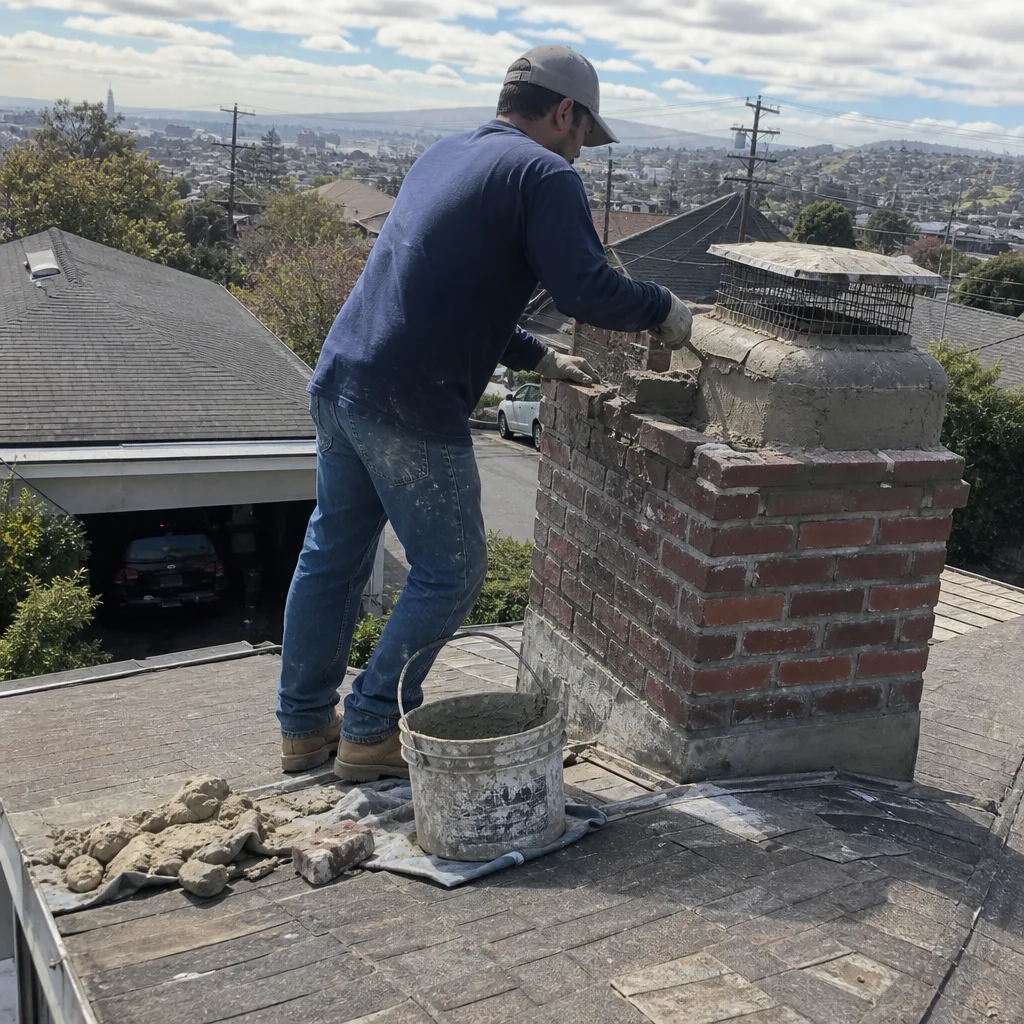
- Booking based on Google review count alone. High review volume can be purchased; read the three-star reviews specifically for documentation complaints. Did the company provide photos? Was the report detailed? These matter more than aggregate stars.
- Assuming “inspection” means the same thing to every contractor. NFPA 211 defines three inspection levels; most homeowners don’t know which they’re receiving. Ask explicitly.
- Skipping the CSLB check because the website looks professional. We’ve seen beautifully designed sites for unlicensed operators. The license check takes 90 seconds; the website took a weekend.
- Accepting verbal estimates for repair work. A $3,000 liner replacement without written scope and material specification leaves you with no recourse if the installed product differs from what was described.
- Ignoring technician assignment. Some companies send whoever is available. Ask if you’ll be notified of your technician’s name and certification in advance. Background-checked, uniformed technicians with license numbers displayed should be standard.
- Not requesting prior documentation when buying a home. Oakland’s competitive real estate market pressures buyers to waive inspections. If the seller had chimney work done, request the signed report with photo documentation. We’ve found “recently serviced” chimneys with no documentation to support the claim.
When to Call a Professional
Call for an NFPA 211 Level 2 inspection if: you haven’t had documented camera inspection in over 12 months; you’re buying or selling a home in Oakland; you’ve changed fuel types or appliance; you’ve had a chimney fire, even minor; or you notice new odors, draft problems, or visible exterior damage. Chimney Repair in Oakland should begin with documentation, not demolition.
Call immediately if you see: visible flames or glowing material in the flue after the fire is out; smoke entering the room during normal operation; or a leaning chimney or separated crown. These are active safety concerns, not maintenance scheduling.
Level Two Chimney Oakland offers free estimates in Oakland, and a Free Second Opinion on any competitor’s written estimate. Call (628) 300-1701. Our live phone support runs 24 hours a day, 7 days a week, and you’ll receive a text when your assigned technician is on the way.
Frequently Asked Questions
A proper NFPA 211 Level 2 chimney inspection with sweep in Oakland typically runs $280-$450, depending on access, flue configuration, and creosote buildup severity. Coupon sweeps at $79-$129 generally skip camera inspection and produce no documented record. We provide a written price before any work starts, always, on every job, no exceptions. Call (628) 300-1701 for an exact quote, estimates are free.
You need documentation that proves whether your existing liner is intact. A camera inspection reveals cracks, gaps, or deterioration that a flashlight cannot. In our experience across 38,000+ inspections, roughly 30% of Oakland chimneys over 40 years old have liner conditions that require repair or replacement, but the other 70% do not. Nothing should be recommended without camera evidence you can see for yourself. If a contractor proposes liner work without showing you the footage, get a Free Second Opinion.
NFPA 211 recommends annual inspection for all chimneys; sweeping frequency depends on use and fuel type. In Oakland’s marine climate, where moisture accelerates creosote buildup, wood-burning fireplaces used regularly during burning season typically need sweeping every 1-2 cords burned. Gas appliances need less frequent cleaning but still require annual inspection for venting integrity. The specific answer for your system comes from documented inspection, not calendar generalization. Browse our more guides & resources for additional homeowner maintenance guidance.
Skipped maintenance leads to three predictable outcomes: Class III creosote buildup, which is highly combustible and difficult to remove without mechanical treatment; hidden liner deterioration that allows heat transfer to combustible framing; and blocked or deteriorated flues that can force carbon monoxide into living spaces. In Oakland’s older housing stock with original construction, these risks compound because chimneys were often built without liners at all. The cost of documented inspection is minor compared to fire restoration or health consequences. Call (628) 300-1701 to schedule.
Level 1 is a visual inspection of accessible portions without special tools, appropriate for chimneys with no changes and continued use of the same appliance. Level 2 includes video scanning of the full flue liner, inspection of accessible attics and crawl spaces, and evaluation of chimney-to-structure connection. Level 2 is required for real estate transactions, after chimney fires, or when changing appliances. In Oakland’s market, we perform Level 2 as our default because flashlight-only inspection misses conditions common in aging masonry.
Surface firebox cleaning, yes; flue inspection and sweeping, no. The danger isn’t the brushing, it’s what you can’t see from below: liner gaps behind the smoke chamber, hidden creosote glazing, or structural separation. In Oakland’s earthquake-prone, moisture-exposed chimneys, these conditions are common and undetectable without camera equipment. We don’t provide DIY instructions for flue work because a missed condition can result in fire or carbon monoxide exposure. The documented inspection is the service; the brushing is only part of it.
The Bottom Line
Hiring a chimney contractor in Oakland is a vetting problem, not a shopping problem. The three questions, camera equipment, written price, signed report, eliminate most unqualified operators before price enters the conversation. Verify the CSLB license in 90 seconds. Reject verbal estimates, free-inspection bundling, and any pressure to decide immediately. In a market with Oakland’s climate exposure and seismic history, documentation isn’t extra, it’s the entire point. The contractor who can show you what they found, in your chimney, with your photos, is the contractor who can stand behind their work. Everything else is just a lower price for higher risk.
Written by Corrine Halstead, Owner at Level Two Chimney Oakland, serving Oakland since 2009.